
 German
 English
 Czech
 Spanish
 Hebrew
 French
 Danish
 Portuguese
 Norwegian
 Dutch
Frustrationen mit Drohnen sind sicherlich real. Abstürze passieren leider häufiger, als uns lieb ist. Flugzeiten fühlen sich oft enttäuschend kurz an. Doch die Materialwissenschaft bietet einige recht wirkungsvolle Antworten auf diese Probleme. Konkret hochleistungsfähiges biegsames Carbonfaserrohr erweisen sich Komponenten als echter Wendepunkt für Drohnenenthusiasten. Diese Technologie könnte Ihr Flugerlebnis wirklich sehr nachhaltig verändern.
Was stört Sie an Ihrer Drohne am meisten?
Haltbarkeitsdramen plagen Drohnenbesitzer häufig. Ein scheinbar kleiner Fehler kann überraschend große Reparaturen bedeuten. Diese Situation ist ziemlich ärgerlich. Dann gibt es Gewichtsprobleme. Schwere Drohnen fliegen kürzer. Sie bewegen sich außerdem mit einer gewissen zähen Trägheit durch die Luft. Batterieprobleme sind ein weiterer häufiger Kritikpunkt. Wünschen Sie sich, Ihre Drohne bliebe viel länger in der Luft? Ja, die meisten von uns teilen dieses Gefühl. Manövrierbarkeitsprobleme verderben den Flugspaß völlig. Unhandliche Drohnen sind wirklich lästig. Wahrscheinlich wünschen Sie sich etwas Flinkes und Reaktionsfreudiges. Schließlich kommen Individualisierungswünsche auf. Eine Drohne von der Stange reicht für besondere Projekte nicht immer ganz aus. Möglicherweise benötigen Sie spezifische Designs für bestimmte Aufgaben. Diese Probleme können Ihre Begeisterung wirklich am Boden halten.
Carbonfaserrohre – nicht nur Weltraum-Hype
Carbonfaser-Material besitzt eine unglaubliche Festigkeit. Außerdem wiegt es praktisch fast nichts, was ein großer Vorteil ist. Daher bietet ein Carbonfaser-Verbundrohr erstaunliche strukturelle Integrität. Es wird Ihre wertvolle Drohne definitiv nicht unnötig beschweren. Stellen Sie sich ein Carbonfaser-Kastenrohr vor, das den Hauptrahmen Ihrer Drohne bildet. Super steif und zugleich bemerkenswert leicht wäre das. Es gibt viele Arten, wie zum Beispiel ein Carbonfaser-Flechtrohr. Dieser spezielle Typ verleiht eine erhebliche Zähigkeit gegen Torsionskräfte. Selbst ein einfaches Kohlefasergewebeschlauch hat seine spezifischen Anwendungen im Drohnenbau. Hersteller fertigen heutzutage alle möglichen fortgeschrittenen Carbonfaser-Verbundrohre für unterschiedliche Anforderungen.
Um es einzuordnen, denken Sie an Carbonfaser-Fahrradrohre. Leistungsorientierte Radfahrer lieben sie absolut, um Geschwindigkeit und robuste Festigkeit zu erreichen. Ebenso carbon fiber bike tubes contribute to lighter faster rides. This advanced material technology even appears in super fancy cars. A prime example includes an alfa romeo 4c carbon fiber tub. Raw performance matters immensely in that automotive context. The principles of lightweight strength carry over directly into drone design. Lighter components allow for more payload or longer flight. Stronger components mean better survival from unplanned landings.
The Big Deal: What Makes Bending Carbon Fiber Tube Special?
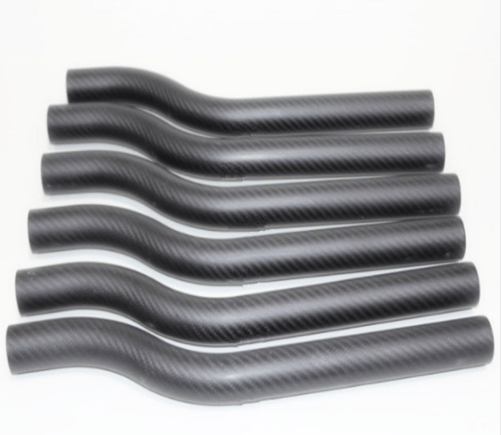
Okay regular carbon fiber is undeniably cool. But bending carbon fiber tube parts? That capability truly is next level for crafting superior drones. Traditionally carbon tubes were known for extreme rigidity. Bending them effectively was a major manufacturing headache for a long time. However innovative new methods now allow precise forming of curves in these tubes. This development opens up some absolutely wild design doors for drone architects.
For your drone this technological shift means smoother more organic shapes. Considerably better aerodynamics become possible almost immediately. Also a bending carbon fiber tube can absorb impact energy way more effectively than a straight rigid one. It has ability to flex somewhat instead of just snapping under stress. This resilience forms a core part of successfully Solving Drone Issues with High-Performance bending carbon fiber tube based designs. No more perpetually brittle frames perhaps. Suddenly your drone becomes much more resilient against those accidental bumps and scrapes. This technology absolutely signifies a big step forward for drone longevity. It fundamentally changes how we can think about constructing drone skeletons. You might even see a specialized carbon fiber d tube shape specifically bent for optimizing airflow around certain drone components. The possibilities feel quite expansive.
Real Fixes:Solving Drone Issues with bending carbon fiber tube
Let’s directly tackle those persistent drone headaches. We can effectively use this awesome new tube technology.
Issue 1: Fragile Frames & Sky-High Crash Costs. The solution here involves a bending carbon fiber tube structure that can actually take a hit. It gives a little bit under duress. This characteristic means fewer broken arms after a rough landing. Consequently your repair bills might noticeably shrink. Your wallet will definitely thank you for this upgrade. Durability improves significantly.
Issue 2: Heavy Lifters & Disappointingly Short Hops. Carbon fiber is famously light as a feather. Utilizing bent carbon tubes helps keep overall drone weight super low. Therefore your drone gets substantially more airtime on a single battery charge. It also becomes way more agile in its flight characteristics. For instance a 9mm carbon fiber tube might be perfect for a mid-size drone arm. This size offers excellent strength without imposing much of a weight penalty. Or perhaps an 8mm od carbon fiber tube would suit smaller more delicate parts of a compact drone. Finding that sweet spot between strength and weight becomes easier.
Issue 3: Cookie-Cutter Designs Lacking Flair. Bending carbon fiber tube sections allow for incredibly sleek custom forms. Think organic flowing lines rather than just straight sticks. So your drone can be made super aerodynamic cutting through air efficiently. It can also look totally rad standing out from generic models. This aesthetic and functional improvement is key for many Solving Drone Issues with High-Performance bending carbon fiber tube concepts currently emerging. You get performance plus style.
Issue 4: Vibration Villains Wrecking Your Footage. Carbon fiber possesses natural vibration dampening properties. Bent tubes can sometimes enhance this beneficial characteristic even further. Smoother flights directly translate into better quality video capture. Your sensitive electronic components will also likely last longer with less shaking.
This innovative approach using strategically placed bending carbon fiber tube elements truly elevates overall drone capabilities. Problems that once seemed unavoidable now have practical effective solutions. It’s about building smarter not just stronger.
Getting Practical: Sizes Materials and Putting It Together
Okay so you’re definitely interested in these advanced tubes. What about some of the nitty-gritty specifics?
Tube choices absolutely abound in today’s market. For instance an 8mm od carbon fiber tube is often great for lighter drone structures or for smaller drone models. Conversely a thicker 9mm carbon fiber tube offers more substantial beefiness for larger more demanding builds. You can readily find Carbonfaser-Flechtrohr options too. These types resist twisting and torsional loads very well indeed. They also happen look pretty cool with their distinctive woven pattern. A sturdy Carbonfaser-Kastenrohr might form a super strong central body for your drone. Its square or rectangular shape inherently resists bending forces in multiple directions providing a solid core.
Some highly specialized drones might even adapt a form of carbon fiber exhaust tube technology. This could be for thermal management if they carry unusually hot components although this is less common for typical hobby drones. What about parts from other industries like a carbon fiber buffer tube and stock or a complete carbon fiber buffer tube kit used in firearms? While these are obviously different applications they clearly demonstrate carbon fiber’s amazing versatility. It handles intense stress and dramatically reduces weight in critical components. This very same fundamental principle applies directly to drone arms or landing gear constructed with advanced bending carbon fiber tube sections. The load bearing and impact resistance are paramount.
Now the big question: how do you actually work with this high-tech stuff? The best way to cut carbon fiber tube sections precisely involves using specific tools. A fine-tooth hacksaw often used with a mitre box or a specialized guide works well for clean cuts. Alternatively a Dremel-type rotary tool with a diamond cutoff wheel achieves excellent results. Always remember wear a good quality dust mask because carbon fiber dust is nasty stuff you don’t want in your lungs. Safety first always.
Then there’s crucial business of joining various parts together. Bonding carbon fiber tubes effectively needs proper meticulous surface preparation. Scuffing the surfaces lightly and cleaning them thoroughly is vital. Good quality structural epoxy resin is generally your best friend here for creating strong permanent bonds. Furthermore bonding carbon fiber tube to aluminum parts is also totally doable and often necessary for hybrid designs. Special engineering adhesives are available that create super strong reliable joints between these dissimilar materials. This allows for creative combinations leveraging best properties of each material. Successfully Solving Drone Issues with High-Performance bending carbon fiber tube often involves mastering these hands-on fabrication skills. Or you could choose a component supplier who already masters them perfectly for you.
Why Your Next Drone Needs Bending Carbon Fiber Tube Goodness
So why exactly should you make the switch? Why actively demand bending carbon fiber tube tech in your next drone or drone project?
Because you almost certainly want a tougher more resilient drone. One that simply shrugs off those minor bumps and hard landings. Life happens. Because you definitely crave significantly longer flights. More precious time up in air and much less frustrating time spent charging batteries. Because you probably need improved agility and responsiveness. A drone that practically dances in sky responding instantly your inputs. Pure joy. Ultimately using advanced materials like a custom-formed bending carbon fiber tube frame directly means better all-around flight performance. It also quite simply means more fun flying. This material advantage is central to effectively Solving Drone Issues with High-Performance bending carbon fiber tube technology which pushes drone capabilities forward. It is about tangible improvements you can feel. You get a drone that not only flies better but also lasts longer. That’s a win-win.
Schlussfolgerung
Drone technology continually keeps advancing at a rapid pace. High-performance bending carbon fiber tube components are clearly leading this exciting charge towards better aircraft. They offer genuine practical solutions for common user frustrations. Your personal drone experience can absolutely improve quite dramatically with these innovations. Embrace the future of drone construction.
Referenzen:
1. Schneiden von Kohlefaserrohren: Der Schlüssel zu Toleranz und Kundenbeziehungen
2.Wie wir unserem Kunden bei der Lösung von Produktproblemen mit unseren Kohlefaserrohren geholfen haben?
3.Können Carbonfaser-Rohre in Massenproduktion hergestellt werden? Hier erfahren Sie, was Sie wissen müssen
4.Wie man die Oberflächenqualität von Kohlenstofffaserrohren mit großem Durchmesser verbessert
5.Kohlefaser-Teleskoprohre: Teurer Hype oder Leistungssprung?