
 German
  English
  Japanese
  Arabic
  Czech
Czech  Spanish
  French
  Italian
  Danish
  Polish
  Portuguese
  Norwegian
  Dutch
Dutch 
Inhaltsübersicht
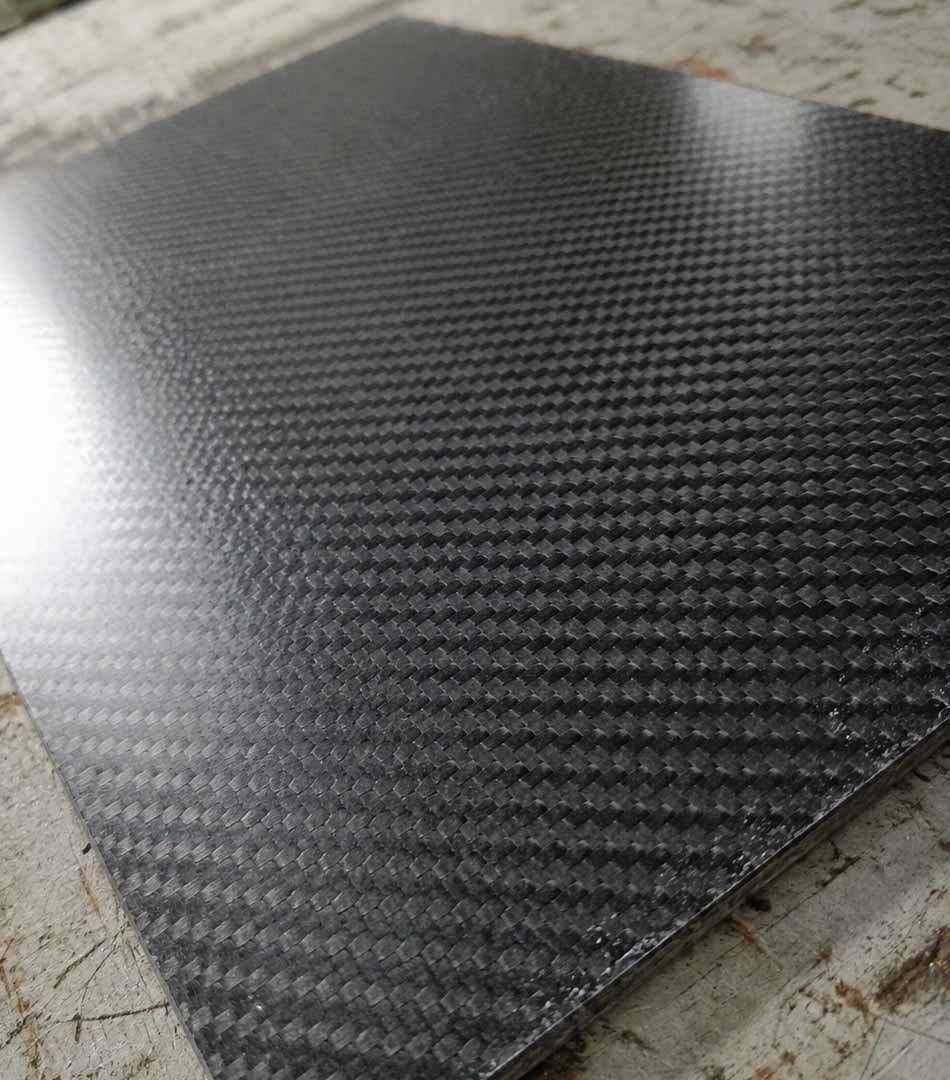
Die Auswahl einer Hersteller von Kohlefaserplatten sounds simple at first glance. However real projects rarely stay simple for long. Buyers often face uneven quality confusing specs and shifting delivery promises. Meanwhile marketing claims look similar across suppliers. That creates risk. A wrong choice may lead to weak panels failed assemblies or delayed shipments. Therefore smart buyers focus on proof rather than promises. They ask hard questions early. They compare data not slogans.
Moreover experienced buyers understand one key truth. Kohlefaserplatten vary widely in performance cost and reliability. Even small differences in resin content or curing method can change stiffness strength or lifespan. Consequently a supplier choice shapes final product performance directly.
So how do smart buyers avoid costly mistakes? They break evaluation into clear checkpoints. Each checkpoint targets a real risk. Each answer reveals how capable a manufacturer really performs. Below you will find a practical buyer-driven framework.
Referenzen:
1. Die ideale Kohlefaser für Drohnen: Blätter Materialien und Optionen
2. Wie schneidet man ein Kohlefaserrohr?
3. Verständnis der Härte- und Druckprüfung von Kohlenstofffaserrohren
4. Kohlefaser vs. Graphit-Rute: Welche Rute passt am besten zu Ihren Bedürfnissen?
5. 8 Fehler, die Ingenieure bei der Auswahl von Kohlefaserrohren machen und wie man sie vermeidet
Carbon Fiber Sheet Manufacturer: Are Material Properties Real and Verifiable?
First of all data must carry weight. Fancy brochures mean little without proof. Smart buyers always request a Technical Data Sheet. Yet they go further. They check how data was produced.
For example tensile strength numbers should match recognized standards like ASTM or ISO. Otherwise values may come from internal guesses. That creates uncertainty.
Additionally batch testing matters a lot. One test sample does not represent full production. Therefore buyers often ask for recent batch reports. These reports show consistency over time.
Even more importantly fiber volume fraction tells real story. High fiber ratio usually means better stiffness. However some suppliers lower fiber content quietly. That reduces cost yet weakens panels.
So buyers should ask direct questions:
- Are values based on real batch tests
- Which test standards were used
- Can you provide recent lab reports
Without clear answers risk rises quickly.
Carbon Fiber Sheet Manufacturing Process: Performance Ceiling Explained
Next comes process. Manufacturing method sets upper limit for performance. No marketing phrase can overcome poor processing.
Prepreg compression under heat and pressure often delivers strongest results. Fibers align better. Resin distribution stays controlled. Meanwhile void content remains low.
In contrast hand layup may introduce air pockets. That lowers strength. It also creates uneven thickness. Still some suppliers promote it as equal alternative. That rarely holds true.
Therefore buyers must identify process clearly. Ask about curing temperature pressure cycles and equipment type. Autoclave curing usually signals higher control.
Furthermore process repeatability matters. A good method without control still fails. So buyers often request process documentation. That includes curing curves and quality checks.
In short process defines performance ceiling. Choose wisely.
Dimensional Accuracy and Tolerance Control in Carbon Fiber Sheets
After performance comes fit. Even strongest sheet fails if dimensions drift. Assembly issues waste time and money quickly.
Buyers therefore inspect tolerance capability closely. Thickness variation must stay tight. Flatness must remain stable. Warping can destroy bonding surfaces.
For instance a 3mm sheet that ranges from 2.6 to 3.4 mm causes serious alignment issues. That leads to rework or scrap.
Moreover CNC machining capability becomes critical. Precision cutting drilling and edge finishing improve usability. Without it buyers must handle secondary processing themselves.
So smart buyers confirm:
- Thickness tolerance range
- Flatness specification
- CNC service availability
Accurate dimensions save more cost than cheap pricing ever could.
Surface Quality Standards for Carbon Fiber Sheet Manufacturer Selection
Surface quality often decides product perception. Especially for visible applications appearance matters greatly.
Buyers usually inspect weave alignment first. Consistent 3K twill or plain weave signals good control. Misaligned patterns suggest rushed production.
Then they check defects. Voids dry spots or resin-rich patches reduce both strength and visual appeal. Even small bubbles can spread under stress.
Additionally surface finish impacts secondary processes. Poor surfaces complicate coating bonding or lamination. That increases production cost later.
Therefore buyers often request sample panels. Physical inspection reveals more than photos ever will.
Consistency and Batch Stability Across Carbon Fiber Sheet Production
A perfect sample means little without stable production. Many suppliers perform well during sampling stage. Yet mass production tells a different story.
Consistency depends on process control raw material quality and inspection systems. Without these variation grows quickly.
Buyers therefore look for batch tracking systems. Each production lot should have traceable data. That includes material source curing conditions and inspection results.
Furthermore long-term customers provide strong signals. If a manufacturer retains repeat clients consistency likely exists.
So ask for:
- Batch inspection reports
- Quality control procedures
- Customer references
Consistency protects long-term projects.
Customization Capability from a Carbon Fiber Sheet Manufacturer
Standard sheets rarely meet complex project needs. Customization plays a huge role in B2B sourcing.
Buyers often need specific sizes thickness or fiber orientations. For example 0° 90° or ±45° layups change mechanical behavior.
Additionally large panels or ultra-thin sheets require advanced capability. Not every supplier can deliver those reliably.
Machining services also matter. Drilling chamfering and cutting save time downstream. Without these services buyers must find secondary vendors.
Thus smart buyers evaluate flexibility early. Custom capability often separates average suppliers from strong partners.
Lead Time and Supply Chain Reliability for Carbon Fiber Sheets
Even high-quality sheets lose value if delivery fails. Time matters just as much as performance.
Buyers therefore examine lead times carefully. Standard production cycles must remain predictable. Rush orders should also be possible when needed.
Inventory strategy matters as well. Suppliers with stock can respond faster. Those without may delay projects.
Export experience also plays a role. International shipping involves documentation customs and compliance. Inexperienced suppliers create delays.
Hence buyers ask:
- What are standard lead times
- Do you support urgent orders
- Do you handle export processes smoothly
Reliable delivery builds trust over time.
Pricing Structure: Logical and Transparent or Risky?
Price always influences decisions. However lowest price often hides hidden costs.
Smart buyers compare price against material grade process and quality level. For example T700 fiber costs more than T300. Prepreg processing costs more than hand layup.
If price seems unusually low something must give. That could mean reduced layers lower fiber quality or weak curing control.
Therefore buyers request detailed quotations. A clear breakdown reveals where cost comes from.
Transparency builds confidence. Vague pricing raises doubts.
Communication Efficiency with a Carbon Fiber Sheet Manufacturer
Finally communication shapes entire experience. Even strong manufacturers fail if communication breaks down.
Buyers watch response quality closely. Quick replies matter yet clarity matters more. Technical questions should receive precise answers.
Additionally proactive suggestions indicate expertise. A supplier who offers improvements adds value beyond production.
On the other hand generic replies like “yes we can do” signal weak understanding. That increases risk.
So evaluate communication early. It often predicts long-term cooperation quality.
Final Thoughts: Smart Buyers Focus on Control Not Promises
In conclusion Kohlefaserplatten vary more than many expect. Material data process control and consistency all influence final results.
Smart buyers avoid guesswork. Instead they verify data inspect samples and question every detail. Each step reduces risk. Each answer builds confidence.
Die Auswahl einer Hersteller von Kohlefaserplatten therefore becomes a strategic decision rather than a simple purchase. Those who follow this approach gain stable quality predictable performance and smoother projects.