
 German
  English
  Japanese
  Arabic
  Czech
Czech  Spanish
  French
  Korean
  Italian
  Danish
  Polish
  Turkish
  Portuguese
  Russian
  Norwegian
  Dutch
Dutch 
Inhaltsübersicht
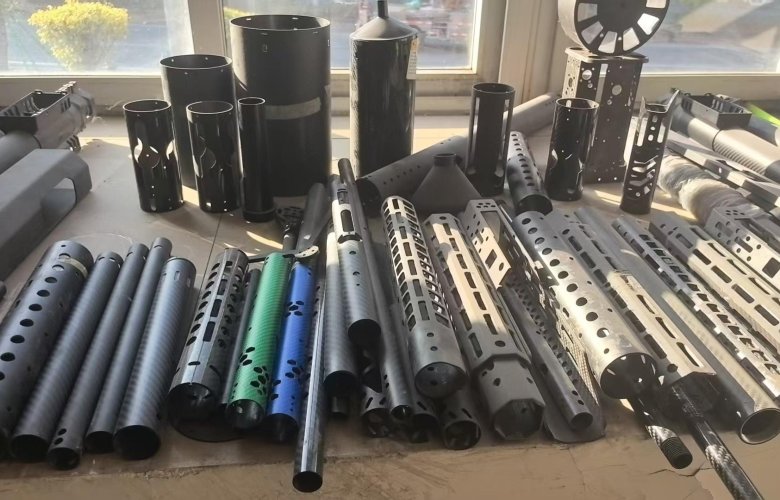
Many engineers admire Kohlenstofffaser-Rohre for strength and extremely low weight. Aerospace drones racing bikes robotics arms all showcase sleek carbon structures. Because of these examples many buyers assume carbon composites could replace metal everywhere.
Reality behaves differently.
A typical Kohlefaser-Rundrohr project often starts with excitement. Designers expect lighter structures higher stiffness improved performance. However practical challenges appear quickly during design stage.
Carbon composites behave differently from metals. Fiber direction controls strength. Impact loads may damage laminate layers. Joint areas often create unexpected stress points.
Another challenge involves assembly. Carbon fiber tube connectors carry loads between tubes. Weak connector design frequently causes structural problems long before tube failure.
Cost also influences adoption. Carbon composites still cost more than aluminum in many industries. Therefore engineers select carbon only when benefits justify expense.
This article explains why Kohlenstofffaser-Rohre have not replaced every structural material. More importantly it shows how engineers solve these challenges.
Referenzen:
1. Die ideale Kohlefaser für Drohnen: Blätter Materialien und Optionen
2. Wie schneidet man ein Kohlefaserrohr?
3. Verständnis der Härte- und Druckprüfung von Kohlenstofffaserrohren
4. Kohlefaser vs. Graphit-Rute: Welche Rute passt am besten zu Ihren Bedürfnissen?
5. 8 Fehler, die Ingenieure bei der Auswahl von Kohlefaserrohren machen und wie man sie vermeidet
The Carbon Fiber Tubes Conundrum
Carbon composites deliver impressive stiffness relative weight. A carbon fiber round tube often weighs far less than steel with similar rigidity.
Because of that advantage many industries use these materials:
racing bicycles
UAV frames
robotics arms
camera tripods
However universal replacement never happened.
Several engineering factors explain this gap.
First carbon fiber behaves anisotropically. Strength changes depending on fiber orientation.
Second manufacturing quality strongly influences performance.
Third connectors introduce complex stress behavior.
For this reason designers treat carbon composites differently from metal tubing.
The Myth of Carbon Fiber as a Super Material
Popular media often presents carbon fiber as miracle material. Engineering reality shows more balance.
Carbon composites perform extremely well in several areas:
high stiffness per weight
Korrosionsbeständigkeit
vibration damping
fatigue resistance
However other materials outperform carbon fiber under certain loads.
Steel handles heavy impact better. Aluminum tolerates local compression more easily. Plastics absorb shocks more effectively.
Therefore engineers rarely treat carbon composites as universal replacement.
Instead they apply carbon fiber round tube structures where benefits clearly outweigh limits.
Challenges Holding Carbon Fiber Back
Several practical barriers slow wider adoption.
Kosten
Carbon fiber production remains expensive. Manufacturing also requires specialized equipment and skilled labor.
Consequently carbon fiber tubes often cost more than aluminum alternatives.
Connector Design
Joining composite tubes requires careful design. Carbon fiber tube connectors must distribute load across laminate layers.
Poor connector geometry concentrates stress near tube ends. Cracks may appear after repeated loading.
Impact Sensitivity
Sharp impacts may damage laminate layers inside tube walls. Damage sometimes remains invisible.
Engineers often reinforce high impact zones or add protective layers.
Repair Difficulty
Metal components allow welding reshaping or simple replacement. Composite repairs require resin systems layered patches curing steps.
Although repair technology improves process remains more involved.
When Carbon Fiber Tubes Fail
Real failures rarely come from tube material alone.
Bicycle Frame Joints
Early carbon bike frames cracked near bottom bracket joints. Stress concentrated near aluminum inserts.
Later designs improved bonding area and fiber orientation.
Drone Landing Gear
UAV landing struts sometimes crack after hard landings. Reinforced laminates now protect these areas.
Tripod Clamping Damage
Some camera tripods crushed thin tubes through excessive clamp pressure. Manufacturers later redesigned clamps with wider load distribution.
These cases reveal a pattern.
Connector design and load distribution matter more than raw material strength.
When Carbon Fiber Tubes Are Not Ideal
Carbon fiber works best in lightweight high stiffness designs. However other materials still dominate many applications.
Aluminium
Aluminum tubes remain popular for structural frames. Cost remains lower and fabrication stays simple.
Stahl
Steel performs better in heavy load machinery construction frameworks and impact environments.
Fiberglas
Fiberglass tubes cost less while offering corrosion resistance and electrical insulation.
Therefore material selection depends on application requirements rather than material popularity.
Carbon Fiber Tube Connectors: Critical Design Element
Many engineers underestimate connectors.
Carbon fiber tube connectors transfer loads between structural elements. Poor joint design often causes premature failure.
Common connector styles include:
bonded inserts
clamp connectors
sleeve joints with adhesive
Correct connector design spreads forces along tube surface rather than concentrating stress at one location.
Therefore connector engineering becomes essential during composite design.
Future Developments
Composite technology continues improving.
Several innovations may expand carbon fiber adoption.
Automated fiber placement improves manufacturing consistency.
Thermoplastic carbon composites allow faster production and easier recycling.
Hybrid laminates combine carbon with glass or aramid fibers for improved impact resistance.
Meanwhile new Kohlefaser-Rohrverbinder simplify assembly and improve structural reliability.
Lower cost carbon fiber production may also expand use across automotive consumer and industrial markets.
Schlussfolgerung
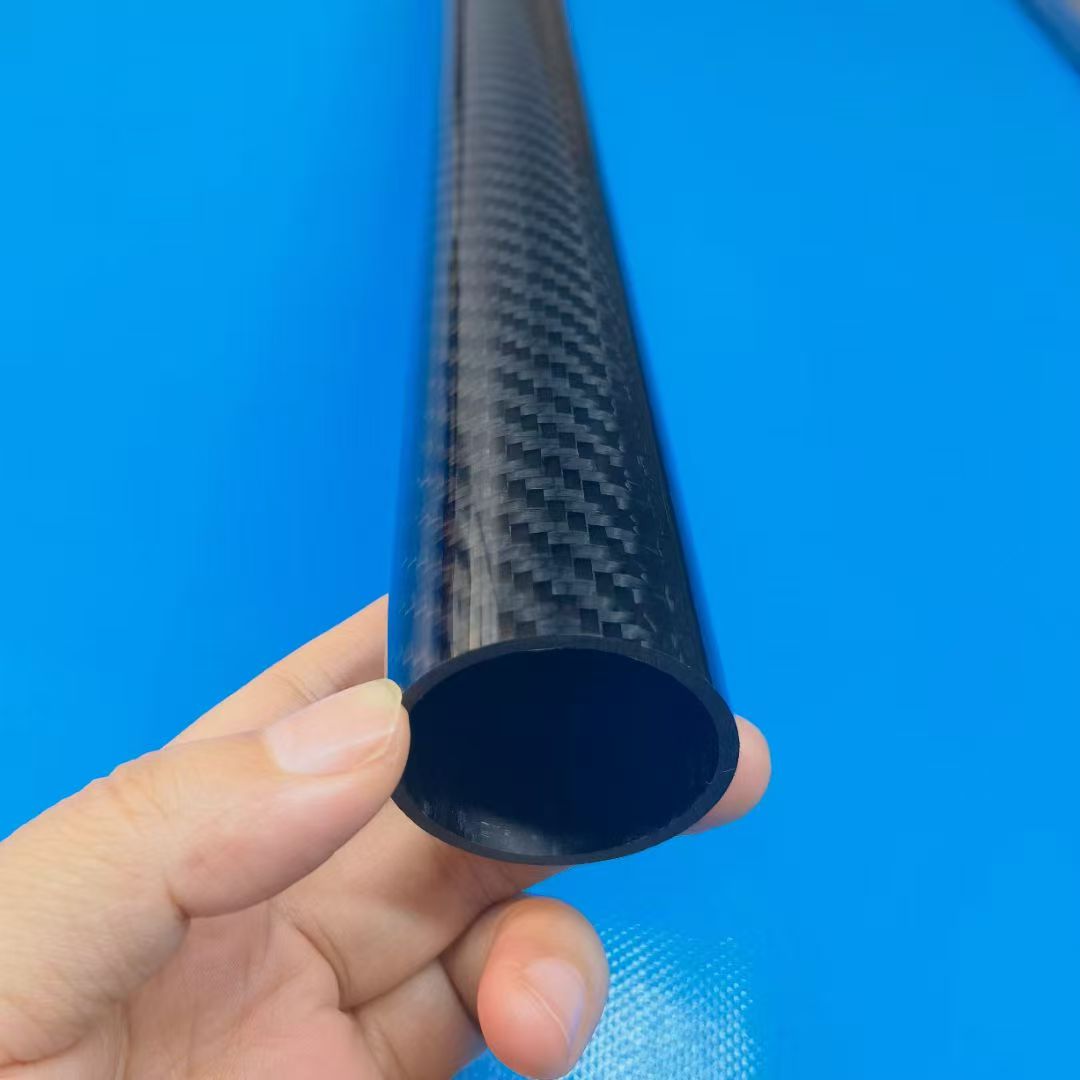
Despite impressive performance Kohlenstofffaser-Rohre have not replaced every structural material.
Higher cost impact sensitivity connector design challenges and repair complexity all influence adoption.
However these limitations rarely prevent successful designs. Instead they require smarter engineering.
When designers understand fiber orientation joint mechanics and load paths carbon fiber round tube structures deliver remarkable performance.
Future advances in manufacturing materials and connectors will likely expand carbon composite use even further.
Carbon fiber will not replace everything.
Yet in many applications nothing else performs quite as well.