
 Spanish
  English
  German
  Japanese
  Arabic
  Czech
Czech  French
  Italian
  Danish
  Polish
  Portuguese
  Norwegian
  Dutch
Dutch 
Índice
A tubo de escape de fibra de carbono A menudo llama la atención enseguida. Los compradores buscan estructuras más ligeras. Los pilotos buscan una respuesta más ágil. Sin embargo, las dudas se acumulan rápidamente. ¿Puede ese material soportar el calor? ¿Las vibraciones provocarán grietas en las capas? ¿Hay datos que respalden esas afirmaciones? Por eso, esta guía responde a las dudas reales de los compradores con datos objetivos y pasos prácticos.
La mayoría de los proyectos comienzan con un objetivo sencillo: reducir el peso sin perder fiabilidad. Sin embargo, los sistemas de escape se ven sometidos a condiciones muy exigentes. Los ciclos térmicos aumentan rápidamente. Los golpes de la carretera se suceden una y otra vez. La humedad se va infiltrando con el paso del tiempo. Por eso, la elección de los materiales es más importante que el aspecto de la superficie.
Por su parte, los tubos metálicos cuentan con una larga trayectoria. El acero inoxidable y el titanio siguen siendo los materiales predominantes en muchas construcciones. Soportan bien el calor y resisten el uso intensivo. Sin embargo, añaden masa, lo que afecta a la maniobrabilidad y a la aceleración. Por ello, muchos se decantan ahora por las opciones de materiales compuestos.
Aún así, sigue habiendo confusión. Algunos vendedores solo promocionan tubos decorativos. Otros suministran piezas de ingeniería con una estructura probada. Por lo tanto, hay que distinguir entre la publicidad exagerada y la capacidad real. Este artículo analiza con claridad el peso, la resistencia al calor y la lista de verificación para el comprador.
Referencias:
1. La fibra de carbono ideal para drones: Hojas Materiales y Opciones
2. ¿Cómo cortar tubos de fibra de carbono?
3. Comprender los ensayos de dureza y compresión de los tubos de fibra de carbono
4. Caña de fibra de carbono frente a caña de grafito: ¿Cuál se adapta mejor a sus necesidades?
5. 8 errores que cometen los ingenieros al elegir tubos de fibra de carbono y cómo evitarlos
Comparación de peso entre un tubo de escape de fibra de carbono y uno de metal
La reducción de peso es el factor que más influye en la mayoría de las compras. A tubo de escape de fibra de carbono puede pesar mucho menos que el acero. En muchos casos, el peso se reduce en un 40% o más. Este cambio mejora la sensación al acelerar. Además, reduce la carga trasera en las motocicletas.
Los tubos metálicos varían según el tipo. El acero inoxidable resulta pesado. El titanio reduce el peso, pero sigue siendo más pesado que las opciones de materiales compuestos. Por ello, los corredores suelen optar por carcasas exteriores de carbono combinadas con núcleos metálicos.
Sin embargo, el peso por sí solo no puede determinar la elección. Los tubos metálicos delgados pueden agrietarse con las vibraciones. Los tubos compuestos de mala calidad pueden deslaminarse. Por lo tanto, es importante encontrar un equilibrio entre la ligereza y la integridad estructural.
Ventaja real de una masa menor
Una masa menor reduce rápidamente la inercia. La aceleración mejora ligeramente. La maniobrabilidad mejora al entrar en las curvas. Además, la fatiga del piloto puede disminuir durante los recorridos largos. Las pequeñas mejoras se van sumando con el tiempo.
Resistencia al calor: tubo de escape de fibra de carbono frente a metal
El calor sigue siendo la mayor preocupación para cualquier comprador. La temperatura de los gases de escape puede superar los 600 °C en el interior. La superficie exterior alcanza temperaturas más bajas. Aun así, a menudo se registran valores de entre 200 °C y 350 °C durante una conducción agresiva.
¿Cuál es la temperatura máxima de funcionamiento de vuestro escape de fibra de carbono?
Un buen tubo de escape de fibra de carbono La resina para altas temperaturas suele soportar temperaturas superficiales de entre 180 °C y 250 °C. Los picos breves pueden superar estos valores. Sin embargo, una exposición prolongada más allá del rango nominal puede dañar la resina.
Las tuberías metálicas soportan temperaturas mucho más altas. El acero inoxidable resiste sin problemas temperaturas superiores a los 600 °C. El titanio ofrece un rendimiento aún mejor en ciclos de altas temperaturas.
Por ello, los tubos compuestos suelen presentar un diseño híbrido. La capa exterior es de carbono, mientras que el revestimiento interior metálico soporta el calor extremo. Esta configuración protege la resina y, al mismo tiempo, mantiene un peso reducido.
Resina para altas temperaturas frente a epoxi estándar en tubos de escape de fibra de carbono
Los compradores suelen preguntar sobre la elección de la resina. Esa cuestión es más importante que la marca de la fibra.
¿Utilizas resina para altas temperaturas o epoxi estándar?
El epoxi estándar se ablanda entre los 80 °C y los 120 °C. Ese rango no es adecuado para su uso en sistemas de escape. La resina para altas temperaturas eleva considerablemente la temperatura de transición vítrea. Algunos sistemas avanzados alcanzan los 200 °C o más.
Por lo tanto, comprueba siempre el sistema de resina antes de realizar el pedido. Pregunta al proveedor cuál es el valor de Tg. Solicita detalles sobre el método de ensayo. Sin esa información, el riesgo aumenta considerablemente.
Además, la calidad de la resina influye en la durabilidad. La resina de baja calidad puede decolorarse o agrietarse al exponerse a los rayos UV. La resina de alta calidad resiste el amarilleamiento y mantiene el acabado de la superficie durante más tiempo.
Durabilidad: vibraciones, impactos y uso prolongado
La durabilidad va más allá de las cifras de resistencia. Los sistemas de escape se ven sometidos constantemente a ciclos de vibración. Las sacudidas de la carretera añaden una carga impredecible.
¿Cómo se evita la delaminación bajo el efecto del calor y las vibraciones?
Un bien hecho tubo de escape de fibra de carbono Utiliza ángulos de laminado controlados. Las capas de ±45° mejoran la resistencia a la torsión. Las capas de 0° soportan la carga axial. El apilamiento equilibrado reduce la tensión interna.
Además, un curado adecuado es fundamental. Un curado incompleto da lugar a una adhesión débil entre las capas, lo que, con el tiempo, provoca la delaminación.
Los fabricantes también añaden capas de fibra de vidrio en algunos diseños. La fibra de vidrio mejora la resistencia a los impactos. Además, ayuda a reducir la tensión debida a la diferencia térmica.
Resumen sobre la durabilidad de los tubos de escape de fibra de carbono frente a los metálicos
El metal destaca por su resistencia al calor extremo. Los materiales compuestos destacan por su ligereza. Sin embargo, los diseños híbridos combinan ambas ventajas.
- Acero inoxidable: gran resistencia al calor, peso elevado
- Titanio: más ligero, resistente y caro
- Compuesto de carbono: para que sea ligero y elegante, requiere un diseño adecuado
Por lo tanto, la elección final depende de los objetivos de cada aplicación. Las configuraciones de competición prefieren soluciones ligeras. El uso industrial de alta resistencia sigue apostando por el metal.
Personalización: diámetro, longitud y ajuste
El montaje es fundamental en los sistemas de alto rendimiento. Un montaje deficiente provoca fugas o problemas de vibraciones.
¿Se pueden personalizar el diámetro y la longitud según nuestro diseño?
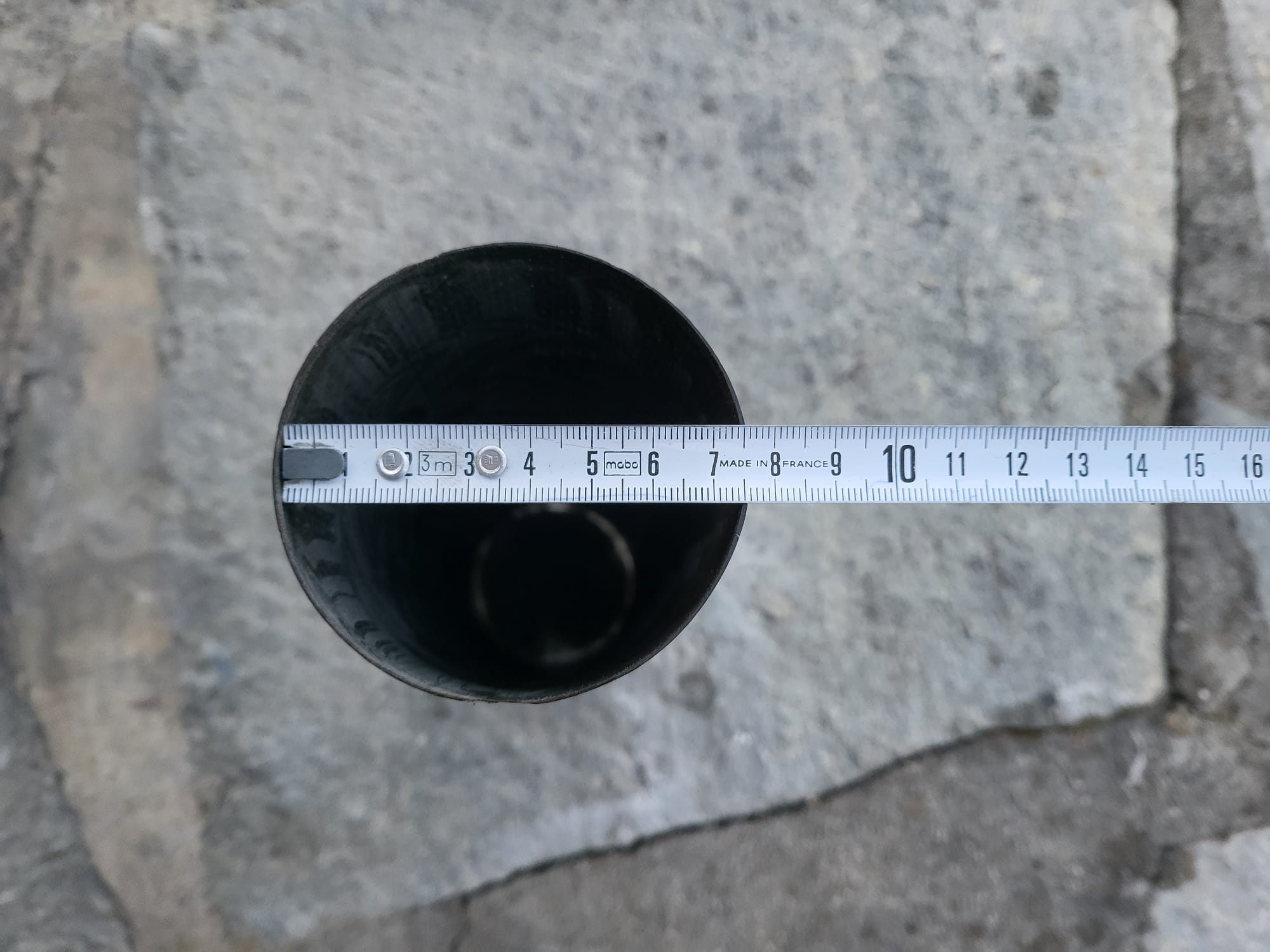
La mayoría de los proveedores serios ofrecen medidas a medida. A tubo de escape de fibra de carbono puede adaptarse a requisitos específicos de diámetro interior, diámetro exterior y longitud.
No obstante, las especificaciones de tolerancia deben ser claras. Una tolerancia ajustada garantiza un sellado adecuado. Una tolerancia holgada puede provocar problemas de montaje.
Además, hay que prestar atención a los puntos de fijación. Los soportes deben estar correctamente alineados. De lo contrario, podrían producirse concentraciones de tensión durante la conducción.
Idoneidad de la aplicación del silenciador de motocicleta
Muchos compradores se centran en el uso de la motocicleta. Este uso exige tanto resistencia al calor como estabilidad frente a las vibraciones.
¿Es este producto adecuado para su uso en silenciadores de motocicleta?
Un diseño bien concebido tubo de escape de fibra de carbono Funciona bien para las carcasas exteriores de los silenciadores. Reduce el peso de forma significativa. Además, mejora el aspecto estético.
No obstante, debe evitarse la exposición directa a los gases de escape. Normalmente, ese papel lo desempeña el revestimiento metálico interior. La carcasa compuesta actúa como estructura exterior.
Además, el diseño del montaje debe absorber las vibraciones. Los casquillos de goma o las juntas flexibles ayudan a reducir la tensión.
Errores habituales de los compradores a la hora de elegir un tubo de escape de fibra de carbono
Muchos compradores se fijan primero y únicamente en el precio. Ese enfoque suele conducir al fracaso.
El primer error consiste en no tener en cuenta el tipo de resina. El epoxi de baja temperatura falla rápidamente.
El segundo error consiste en saltarse la revisión de los datos de prueba. Las cifras son muy importantes.
El tercer error consiste en dar por sentado que todos los tubos de carbono se comportan igual. Su estructura varía considerablemente.
Por lo tanto, comprueba siempre los detalles técnicos. Haz preguntas claras antes de realizar el pedido.
Cómo elegir entre un tubo de escape de fibra de carbono y uno de metal
La decisión depende del objetivo del proyecto.
Elige el material compuesto si lo que más te importa es reducir el peso. Elige también el material compuesto si la estética es un factor muy importante para ti.
Elige el metal si la exposición al calor extremo es continua. Elige también el metal para sistemas industriales de alta resistencia.
El diseño híbrido suele ofrecer el mejor equilibrio. La carcasa exterior de carbono con núcleo interior metálico aporta tanto resistencia como ligereza.
Ponte en contacto con nosotros para obtener soluciones de tubos de escape de fibra de carbono
Si tu proyecto requiere un sistema fiable tubo de escape de fibra de carbono, nuestro equipo puede ofrecerte asistencia rápidamente. Proporcionamos materiales probados, opciones de resinas resistentes a altas temperaturas y personalización completa.
Envíanos tu boceto o tus requisitos. Analizaremos el diseño y te propondremos la estructura más adecuada. Ficha técnica y muestras disponibles previa solicitud.
Conclusión: una elección acertada se basa en los datos y el diseño
A tubo de escape de fibra de carbono ofrece claras ventajas en cuanto a peso y diseño. Sin embargo, el rendimiento depende en gran medida de la estructura del sistema de resina y de la calidad de fabricación.
Por lo tanto, los compradores deben centrarse en datos reales. Pregunten por la clasificación de temperatura. Verifiquen los informes de pruebas. Revisen detenidamente los detalles de diseño.
Con el proveedor adecuado y un diseño correcto, se puede conseguir tanto un rendimiento que aproveche la ligereza como una durabilidad fiable.