
 Dutch
 English
 German
 Japanese
 Arabic
 Czech
 Spanish
 French
 Italian
 Danish
 Polish
 Portuguese
 Norwegian
Inhoudsopgave
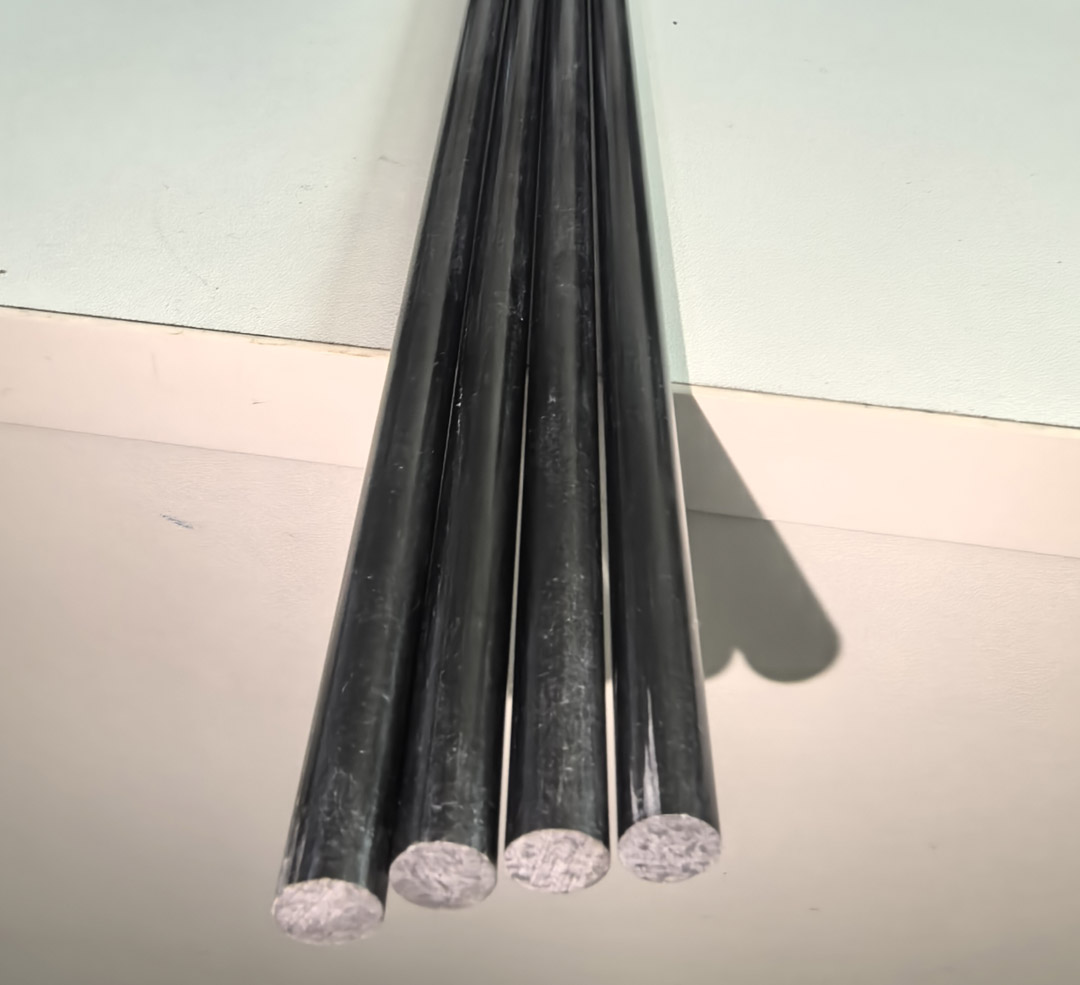
Constructies met grote overspanningen belasten materialen zwaar. Het gewicht loopt snel op. Doorbuiging sluipt erin. Vermoeiing openbaart zich vroeg. Dat is waar pultrusie-koolstofvezelstaaf begint aandacht te trekken in de bouw, maritieme constructies en industriële frames.
Veel ingenieurs kiezen nog steeds standaard voor staal. Die gewoonte voelt veilig. Toch worden de prestatieverschillen groter zodra de overspanning toeneemt. Plotseling wordt gewicht belangrijker. Thermische drift wordt een hoofdpijn. De hantering wordt omslachtig.
Dus wat werkt werkelijk beter voor grote overspanningen—staal of koolstofvezelstaven? Laten we het ontleden vanuit een praktisch, klantgericht perspectief.
Referenties:
1. De ideale koolstofvezel voor drones: Bladen Materialen en Opties
2. Hoe koolstofvezelbuis snijden?
3. Inzicht in hardheids- en samendrukkingsproeven van koolstofvezelbuizen
4. Koolstofvezel vs. grafieten hengel: Welke past het beste bij jouw behoeften
5. 8 fouten die ingenieurs maken bij het kiezen van koolstofvezelbuis en hoe ze deze kunnen vermijden
Inzicht in pultrusie-koolstofvezelstaven voor structureel gebruik
Een pultrusie-koolstofvezelstaaf komt uit een continu proces. Vezels worden door hars getrokken. Warmte hardt de vorm uit tot een massief profiel. De resulterende structuur vertoont een hoge vezeluitlijning over de lengte.
Door die uitlijning wordt de lastoverdracht zeer efficiënt. De axiale sterkte neemt toe. De buigweerstand verbetert. Vergeleken met willekeurige vezelopstellingen levert deze aanpak consistente prestaties.
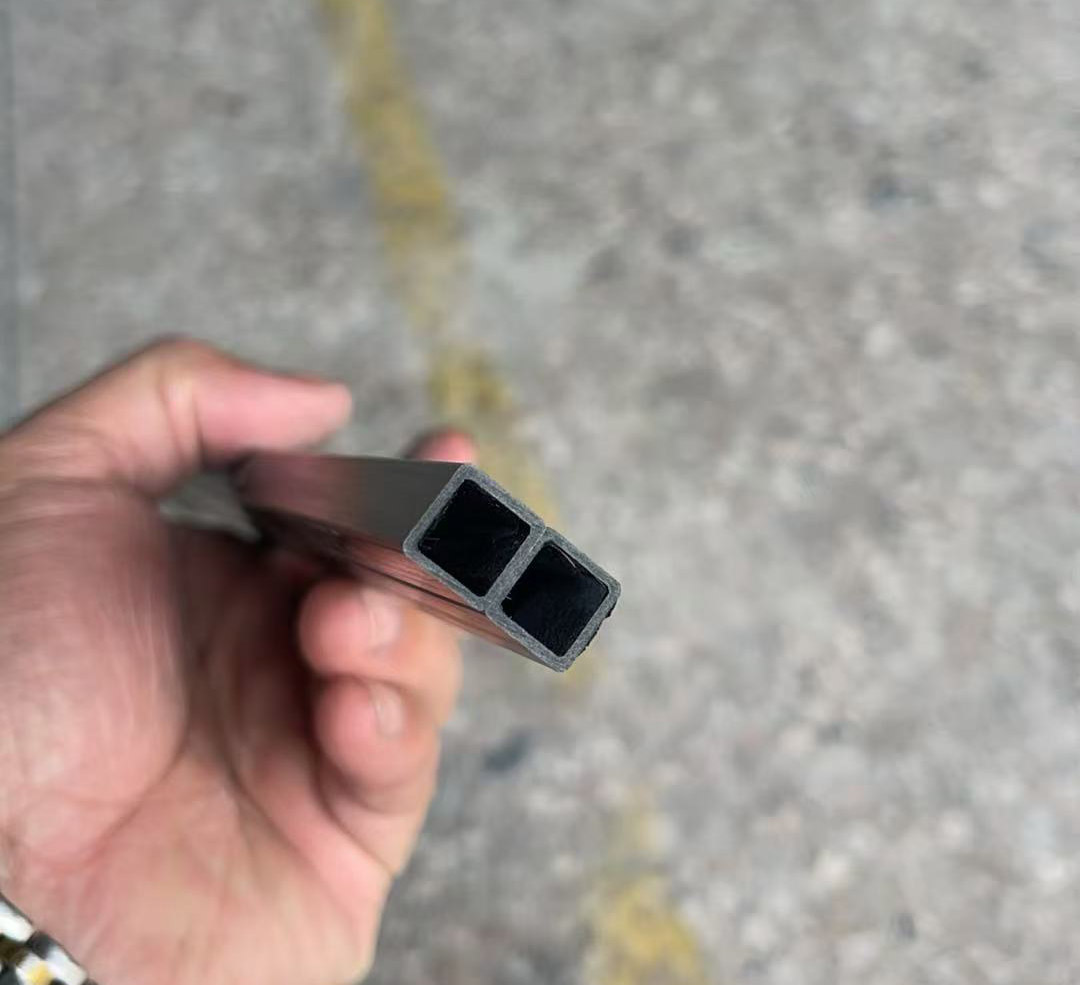
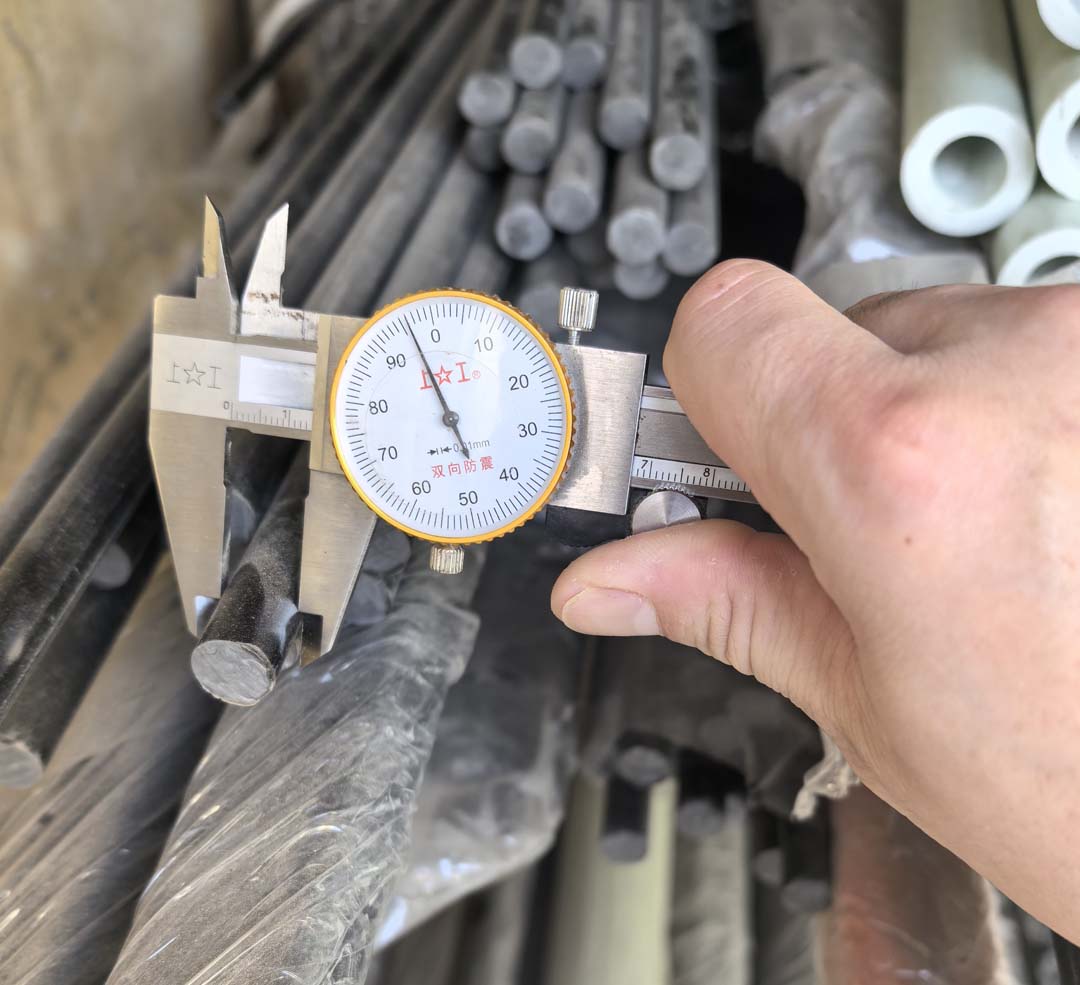
U vindt opties zoals onbewerkte koolstofvezelstaven, massieve koolstofvezelstaafen vierkante koolstofvezelstaaf gebruikt in frames en versterkingssystemen.
Superieure sterkte-gewichtsverhouding voor projecten met grote overspanningen
Staal voelt sterk. Het gewicht loopt echter snel op. Dat gewicht dwingt tot dikkere ondersteuningen. Meer massa creëert meer belasting.
Koolstofvezel draait die vergelijking om.
Een pultrusie-koolstofvezelstaaf levert vergelijkbare sterkte bij een fractie van het gewicht. Bij grote overspanningen vermindert een lichtere structuur het risico op doorzakken. Het verlaagt ook de belasting op de fundering.
Bijvoorbeeld
- Stalen balk vereist zwaar hijsmaterieel
- Koolstofvezelstaven worden vaak met de hand gemonteerd.
That difference changes labor cost dramatically.
Exceptional Stiffness and Rigidity Over Distance
Long spans fail more from bending than breaking. Stiffness matters more than raw strength.
Pultruded carbon fiber rods maintain high modulus along fiber direction. That keeps deflection low across distance. Steel can match stiffness, though weight penalty grows fast.
So when using carbon fiber solid rod in truss systems, designers often achieve slimmer profiles without sacrificing rigidity.
Corrosion Resistance and Longevity Advantages
Steel hates moisture. Rust creeps in. Maintenance follows.
Carbon fiber rods resist corrosion naturally. No coatings needed. No repaint cycles. That matters in bridges, marine builds, outdoor frames.
Daarnaast
- Saltwater exposure causes minimal damage
- Chemical resistance stays strong
- Lifespan extends without heavy upkeep
That cuts long-term cost even if upfront price feels higher.
Reduced Thermal Expansion for Precision Structures
Temperature swings ruin alignment. Steel expands. Contracts. Moves more than expected.
Pultruded carbon fiber rod shows very low thermal expansion. Structures stay stable across hot or cold conditions.
This matters in
- antenna frames
- precision support rigs
- aerospace fixtures
Less movement means fewer recalibration headaches.
Easier Installation and Handling in Real Projects
Heavy steel requires cranes. Skilled rigging teams. More time.
Carbon fiber rods shift workflow. Crews carry pieces manually. Faster assembly happens. That cuts project timelines.
Ook
- less fatigue for workers
- fewer safety risks
- easier transport logistics
Even carbon fiber cleaning rod applications benefit from lightweight handling in confined environments.
Fatigue Resistance and Structural Reliability
Repeated loads kill steel slowly. Micro cracks grow. Failure appears without warning.
Carbon fiber behaves differently. Fibers absorb cyclic loads more efficiently. Fatigue life extends significantly.
That’s why carbon fiber connecting rods appear in high-performance engines and dynamic systems.
For long spans exposed to wind or vibration, this reliability becomes critical.
Design Flexibility and Innovation Opportunities
Steel limits shape freedom. Bending or welding adds cost.
Carbon fiber rods allow creative layouts. Designers mix
- koolstofvezelstaven with composite panels
- hybrid frames using metals where needed
- modular assemblies using connectors
Even vierkante koolstofvezelstaaf offers alignment benefits in frame joints.
This flexibility supports modern lightweight architecture and mobile structures.
Sustainability and Lifecycle Efficiency
Steel production consumes high energy. Maintenance adds more impact later.
Carbon fiber production also uses energy, yet lifecycle tells a different story.
Because structures weigh less
- transport emissions drop
- installation energy drops
- maintenance drops
Long service life balances initial footprint.
In many projects, lifecycle efficiency beats traditional materials.
Steel vs Pultruded Carbon Fiber Rod: Practical Decision Guide
Choose steel when
- budget stays tight
- short spans dominate
- high impact risk exists
Choose pultruded carbon fiber rod when
- long spans require low deflection
- weight reduction matters
- corrosion risk stays high
- installation speed matters
In hybrid builds, mixing both materials often gives best results.
Final Thoughts: Which Works Better for Long Spans?
Pultruded carbon fiber rod clearly wins in long-span scenarios where weight, stiffness, and durability drive decisions. Steel still plays a role, especially in cost-sensitive builds.
However, as span length increases, carbon fiber rods deliver better efficiency, lower maintenance, and longer service life.
For engineers chasing performance without excess mass, carbon fiber becomes hard to ignore.