
 Polish
  English
  German
  Japanese
  Arabic
  Czech
Czech  Spanish
  French
  Italian
  Danish
  Portuguese
  Norwegian
  Dutch
Dutch 
Spis treści
Wprowadzenie: Części z włókna węglowego są bliżej, niż myślisz
Części z włókna węglowego rzadko walczą o uwagę. Zamiast tego elementy te pozostają niezauważalne w codziennym życiu – od rowerów przejeżdżających obok kawiarni po samochody czekające na światłach – ten materiał po cichu rozwiązuje problemy, których klienci w ogóle nie chcą. Waga spada. Wydłużają się okresy eksploatacji. Części działają dłużej bez żadnych komplikacji. Z tego powodu producenci wciąż wybierają elementy z włókna węglowego, nawet jeśli nabywcy nigdy o to bezpośrednio nie proszą. W rzeczywistości wiele osób już teraz korzysta z niestandardowych elementów z włókna węglowego, nie zdając sobie sprawy z ich obecności.
Referencje:
1. Idealne włókno węglowe dla dronów: Materiały i opcje w arkuszach
2. Jak ciąć rury z włókna węglowego?
3. Zrozumienie testów twardości i ściskania rur z włókna węglowego
4. Włókno węglowe vs. wędka grafitowa: Która wędka najlepiej pasuje do Twoich potrzeb?
5. 8 błędów popełnianych przez inżynierów przy wyborze rur z włókna węglowego i sposoby ich uniknięcia
1. Ramy rowerów i rowerów elektrycznych z elementami z włókna węglowego
Rowerzyści pragną prędkości, komfortu i kontroli. Elementy z włókna węglowego zapewniają wszystkie te cechy. W ramach, widelcach, sztycach siodełkowych i kierownicach wykorzystuje się warstwowe włókna, które lekko uginają się pod obciążeniem. To ugięcie tłumi drgania drogowe bez utraty przenoszenia mocy. Producenci rowerów elektrycznych również stawiają na specjalnie zaprojektowane elementy z włókna węglowego do ram, które mieszczą silniki bez znacznego zwiększania masy. Rowerzyści zauważają większy zasięg i łatwiejsze prowadzenie nawet na wzniesieniach.
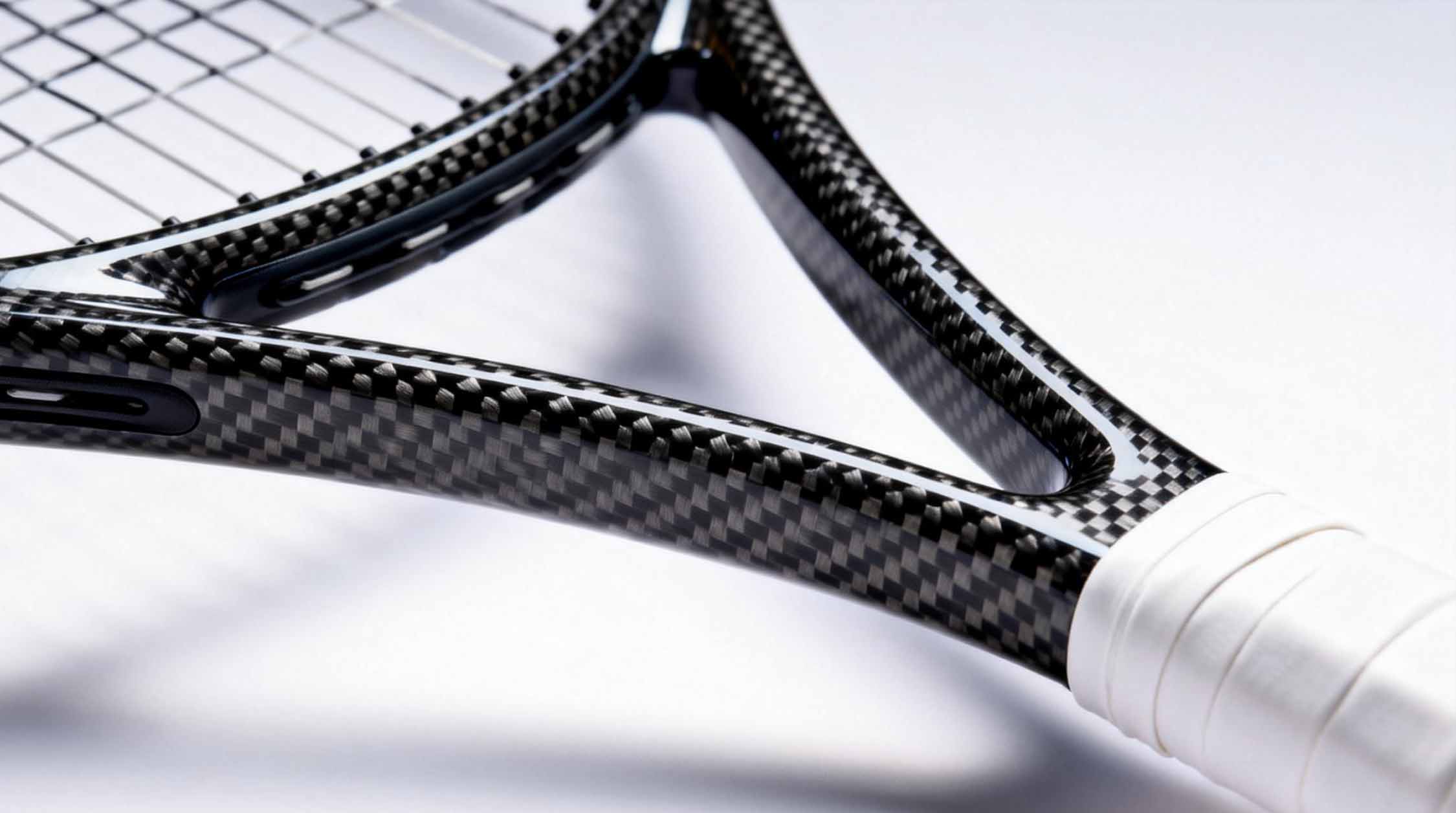
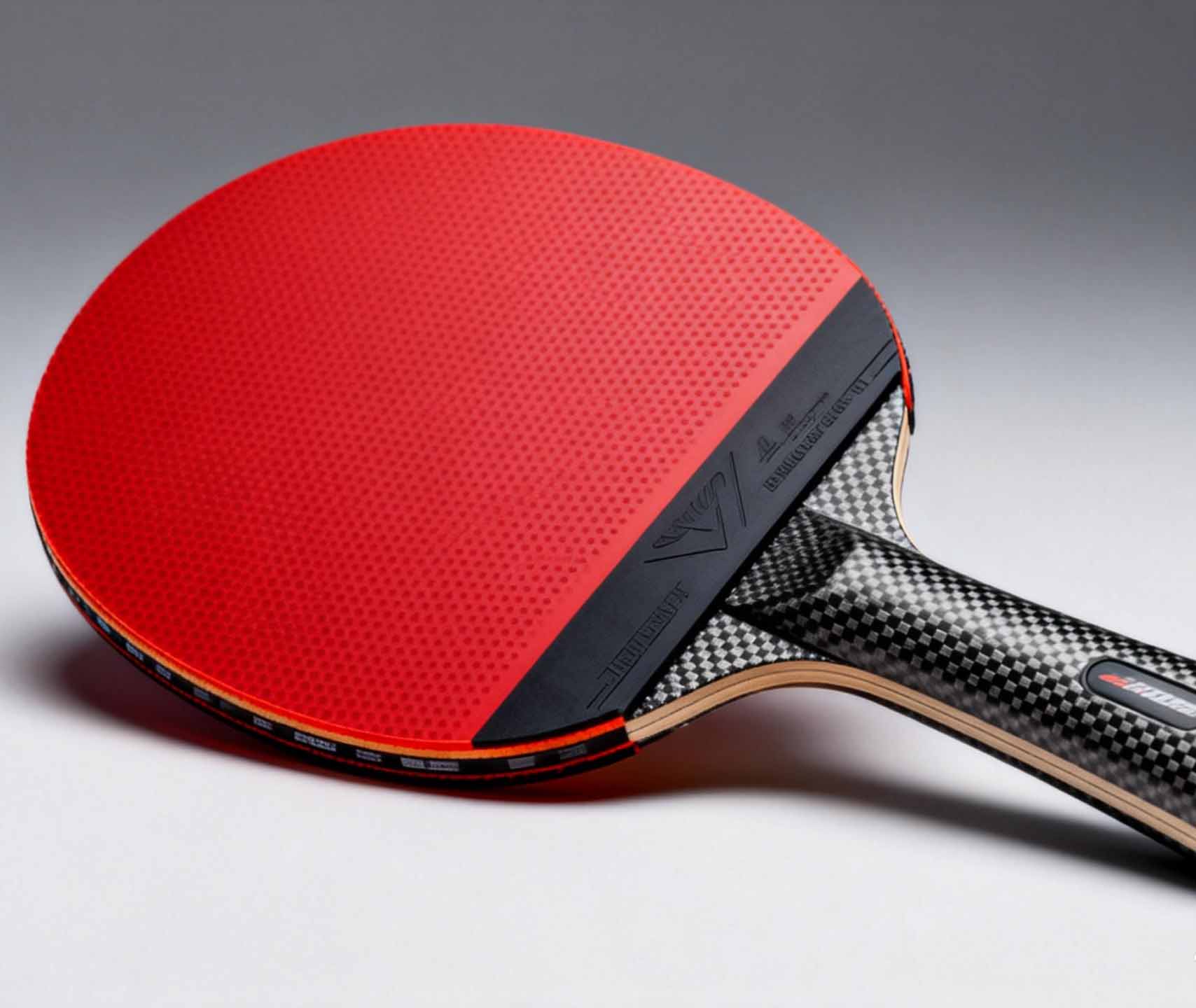
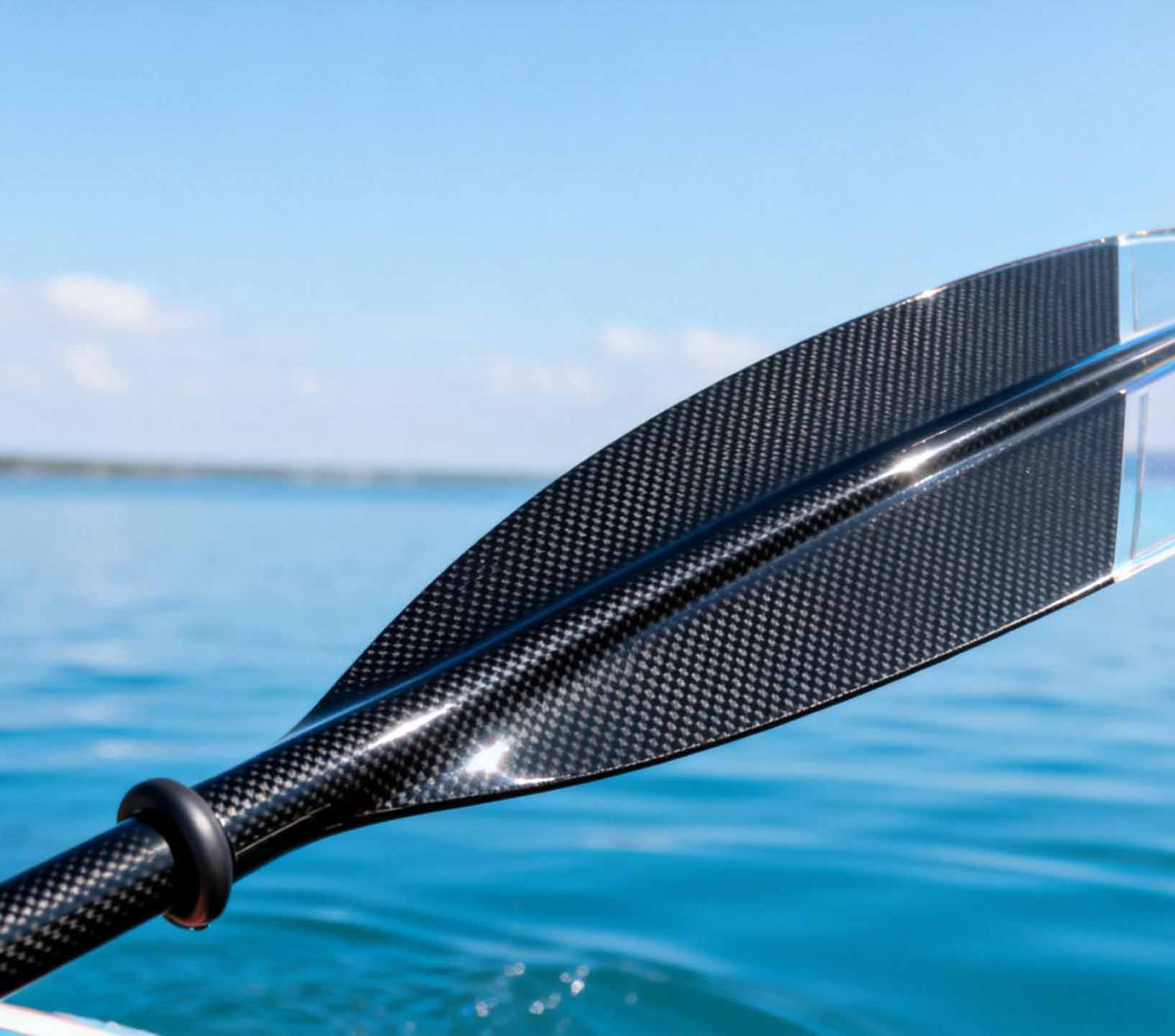
2. Artykuły sportowe: rakiety, kije i łopatki z elementami z włókna węglowego
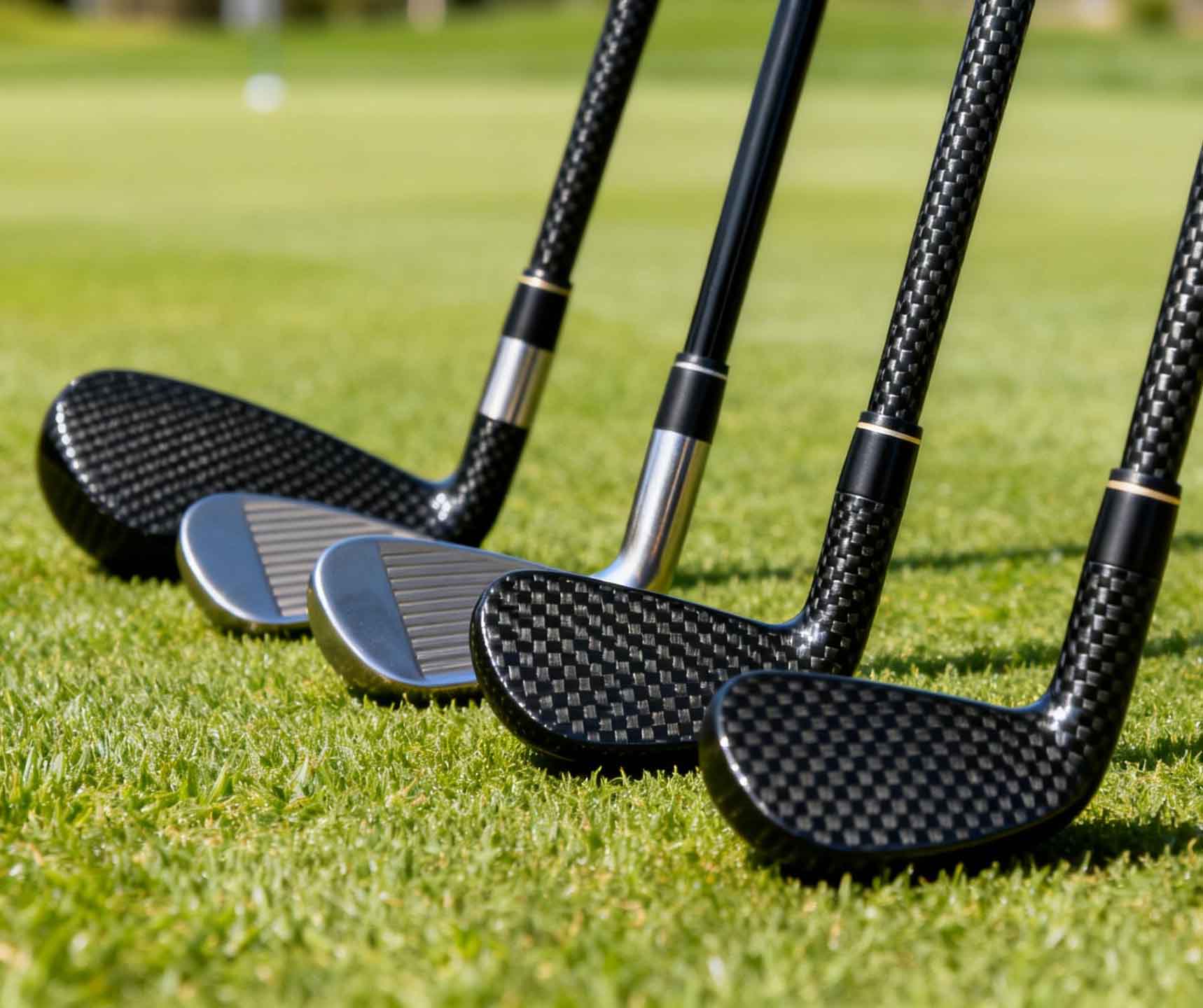
Sportowcy oczekują powtarzalnych wyników. Elementy z włókna węglowego zapewniają stałą reakcję przy każdym uderzeniu. Rakiety tenisowe opierają się na precyzyjnie dostrojonych strefach sztywności. Trzonki kijów golfowych łączą stabilność z dynamiką. Sporty wiosłowe zyskują na sile bez obciążania nadgarstków. Producenci precyzyjnie dostosowują układ warstw materiału, zamiast zwiększać masę sprzętu. W rezultacie sportowcy korzystają ze sprzętu, który jest szybki, a jednocześnie wyrozumiały.
3. Kaski i sprzęt ochronny z elementami z włókna węglowego
Sprzęt ochronny stoi przed trudnym wyzwaniem. Poziom ochrony musi wzrosnąć, a waga pozostać niska. Elementy z włókna węglowego pomagają rozwiązać ten dylemat. Kaski przeznaczone do kolarstwa, sportów motorowych i wspinaczki są wyposażone w kompozytowe skorupy, które rozpraszają energię uderzenia. Lżejsze kaski zmniejszają zmęczenie szyi podczas długotrwałego użytkowania. Klienci rzadko zwracają uwagę na wybór materiału, ale natychmiast odczuwają komfort.
4. Obudowy urządzeń elektroniki użytkowej oraz wewnętrzne elementy z włókna węglowego
Smartfony, laptopy i aparaty fotograficzne dążą do uzyskania smukłej sylwetki. Wewnętrzne elementy z włókna węglowego wzmacniają konstrukcję, nie zwiększając grubości metalu. Niektóre marki ukrywają płytki z włókna węglowego pod plastikowymi obudowami. Inne wzmacniają zawiasy lub mocowania do statywów. Takie podejście ogranicza uszkodzenia spowodowane wyginaniem, jednocześnie pozwalając zachować elegancki wygląd urządzeń. Trwałość poprawia się w sposób niezauważalny, co klienci doceniają po wielu miesiącach użytkowania.
5. Urządzenia gospodarstwa domowego z elementami z włókna węglowego
Wysokiej klasy odkurzacze, roboty sprzątające, a nawet pralki wykorzystują w swoich konstrukcjach elementy z włókna węglowego. Silniki obracają się szybciej, gdy zmniejsza się masa obrotowa. Podczas codziennych prac domowych uchwyty wydają się lżejsze. Inżynierowie stosują pręty, wały i wzmocnienia z materiałów kompozytowych zamiast stali. Wydajność wzrasta, a zużycie energii maleje. Klienci dostrzegają przede wszystkim wygodę, a nie zaawansowaną naukę o materiałach.
6. Części samochodowe i elementy wykończenia wnętrza z włókna węglowego
W samochodach elementy z włókna węglowego są coraz bardziej widoczne, choć wiele z nich pozostaje dyskretnych. Wzmocnienia konstrukcyjne ram siedzeń i paneli dachowych zmniejszają masę bez utraty sztywności. W wykończeniu wnętrza zastosowano cienkie warstwy włókna węglowego, które zapewniają zarówno wytrzymałość, jak i styl. Luksusowe marki, takie jak BMW, stosują elementy z włókna węglowego we wszystkich swoich modelach o wysokich osiągach. Kierowcy odczuwają bardziej precyzyjne prowadzenie, nie wiedząc nawet dlaczego.
7. Walizki, akcesoria podróżne i futerały z elementami z włókna węglowego
Osoby często podróżujące oczekują trwałości bez obciążania ramion. W walizkach stosuje się obecnie elementy z włókna węglowego wbudowane w obudowy lub ramy. Futerały na instrumenty, skrzynki na aparaty fotograficzne i pojemniki na drony wykorzystują panele kompozytowe zapewniające odporność na uderzenia. Zmniejszenie masy pozwala na przewóz bagażu o większej wadze zgodnie z limitami linii lotniczych. Użytkownicy zyskują poczucie bezpieczeństwa nawet w przypadku nieostrożnego obchodzenia się z bagażem.
8. Meble i elementy wyposażenia wnętrz z wykorzystaniem części z włókna węglowego
Współczesne meble to eksperymenty z minimalistycznymi formami. Elementy z włókna węglowego stanowią podporę dla stołów, krzeseł i regałów dzięki smukłym profilom. Projektanci zastępują grube stalowe rury smukłymi belkami kompozytowymi. Ta zmiana pozwala tworzyć przestronne wnętrza bez uszczerbku dla wytrzymałości konstrukcji. Klienci cenią sobie lżejsze meble, które mimo to sprawiają wrażenie solidnych podczas codziennego użytkowania.
9. Instrumenty muzyczne i futerały ochronne wykonane z włókna węglowego
Muzycy cenią sobie stabilność w różnych warunkach klimatycznych. Drewno się wypacza, natomiast elementy z włókna węglowego zachowują swoją stabilność. W konstrukcji wiolonczel, skrzypiec, gryfów gitar oraz futerałów na instrumenty stosuje się obecnie materiały kompozytowe. Brzmienie pozostaje przewidywalne pomimo zmian wilgotności. Artyści koncertujący doceniają niezawodność podczas podróży. Publiczność tego nie zauważa, a wykonanie pozostaje na najwyższym poziomie.
10. Protezy medyczne i pomoce ruchowe wykorzystujące elementy z włókna węglowego
Urządzenia wspomagające mobilność muszą charakteryzować się wytrzymałością, niezawodnością i komfortem. Elementy z włókna węglowego rewolucjonizują protezy, wózki inwalidzkie i aparaty ortopedyczne. Mniejsza waga zmniejsza nakład energii wymagany od pacjentów. Elastyczna reakcja poprawia efektywność chodu. Indywidualnie dopasowane elementy z włókna węglowego zapewniają precyzyjne dopasowanie bez konieczności stosowania ciężkich elementów mocujących. Dla użytkowników oznacza to przede wszystkim niezależność, a nie tylko kwestie techniczne.
Dlaczego włókno węglowe pojawia się w tak wielu produktach?
Producenci stosują elementy z włókna węglowego, ponieważ klienci oczekują lepszych produktów. Zmniejszenie masy zwiększa komfort użytkowania. Odporność na zmęczenie materiałowe wydłuża żywotność. Swoboda projektowania pozwala na tworzenie cieńszych kształtów. Wraz ze wzrostem skali produkcji koszty maleją. Wiedza na temat materiałów kompozytowych rozprzestrzenia się w różnych branżach. W miarę udoskonalania oprzyrządowania niestandardowe elementy z włókna węglowego stają się dostępne nawet w przypadku produkcji średnioseryjnej.
Jak producenci wybierają między włóknem węglowym a materiałami tradycyjnymi
Zespoły projektowe oceniają ścieżki przenoszenia obciążeń, narażenie na czynniki środowiskowe oraz koszty cyklu życia. Elementy z włókna węglowego sprawdzają się tam, gdzie największe znaczenie ma sztywność w przeliczeniu na masę. Metale nadal nadają się do zastosowań wymagających odporności na wysoką temperaturę lub ścieranie. Inteligentne produkty łączą w sobie zalety obu tych materiałów. Klienci czerpią korzyści z wyważonego podejścia inżynieryjnego, a nie z modnych trendów materiałowych.
Jak produkować na dużą skalę elementy z włókna węglowego
Metody produkcji są zróżnicowane. Niektóre firmy stosują technologię nakładania prepregów w przypadku skomplikowanych kształtów. Inne, dążąc do powtarzalności, wykorzystują pultruzję lub formowanie tłoczne. Wybór oprzyrządowania zależy od tolerancji wielkości produkcji oraz budżetu. Wiedza na temat efektywnego wytwarzania elementów z włókna węglowego pomaga markom zaspokajać popyt bez gwałtownych wahań cen.
Niestandardowe elementy z włókna węglowego do produktów konsumenckich
Indywidualizacja stanowi o wyróżnieniu. Marki zamawiają niestandardowe elementy z włókna węglowego, aby uzyskać charakterystyczny wygląd lub przewagę pod względem osiągów. Projektanci motoryzacyjni tworzą niestandardowe elementy samochodowe z włókna węglowego, takie jak listwy ozdobne, spojlery i panele. Marki sportowe dostosowują układ warstw materiału, aby zapewnić sportowcom odpowiednie odczucia podczas użytkowania. Ta elastyczność wyjaśnia szybkie upowszechnienie się tego rozwiązania na różnych rynkach.
Czy elementy z włókna węglowego są zawsze widoczne?
Często są one ukryte pod warstwą farby, tworzywa sztucznego lub tkaniny. Producenci przedkładają funkcjonalność nad wygląd. Klienci i tak czerpią z tego korzyści. Tylko modele o wysokich parametrach mają widoczny splot. Artykuły codziennego użytku dyskretnie wykorzystują rdzenie kompozytowe, zachowując przy tym znany wygląd.
Przyszły rozwój zastosowań elementów z włókna węglowego w życiu codziennym
Automatyzacja obniża koszty pracy. Recykling poprawia zrównoważony rozwój. Oprogramowanie projektowe pozwala dokładniej przewidywać zachowanie włókien. Te zmiany sprawiają, że elementy z włókna węglowego stają się częścią produktów masowej produkcji. Należy spodziewać się ich szerszego zastosowania w sprzęcie AGD, urządzeniach mobilnych oraz transporcie miejskim. Wielu nabywców nawet tego nie zauważy, a mimo to poziom satysfakcji wzrośnie.
Wniosek: Elementy z włókna węglowego już teraz kształtują nasze codzienne życie
Części z włókna węglowego Już teraz wspierają codzienne czynności ludzi. Jazda na rowerze, dojazdy do pracy, praca, podróże, zabawa. Producenci wybierają ten materiał, ponieważ problemy znikają po cichu. Lżejsze, mocniejsze i trwalsze produkty zapewniają lepsze wrażenia. W miarę jak technologia produkcji będzie się rozwijać, elementy z włókna węglowego będą coraz bardziej schodzić na dalszy plan, podczas gdy ich zalety pozostaną w centrum uwagi.