
 Portuguese
  English
  German
  Japanese
  Arabic
  Czech
Czech  Spanish
  French
  Italian
  Danish
  Polish
  Norwegian
  Dutch
Dutch 
Índice
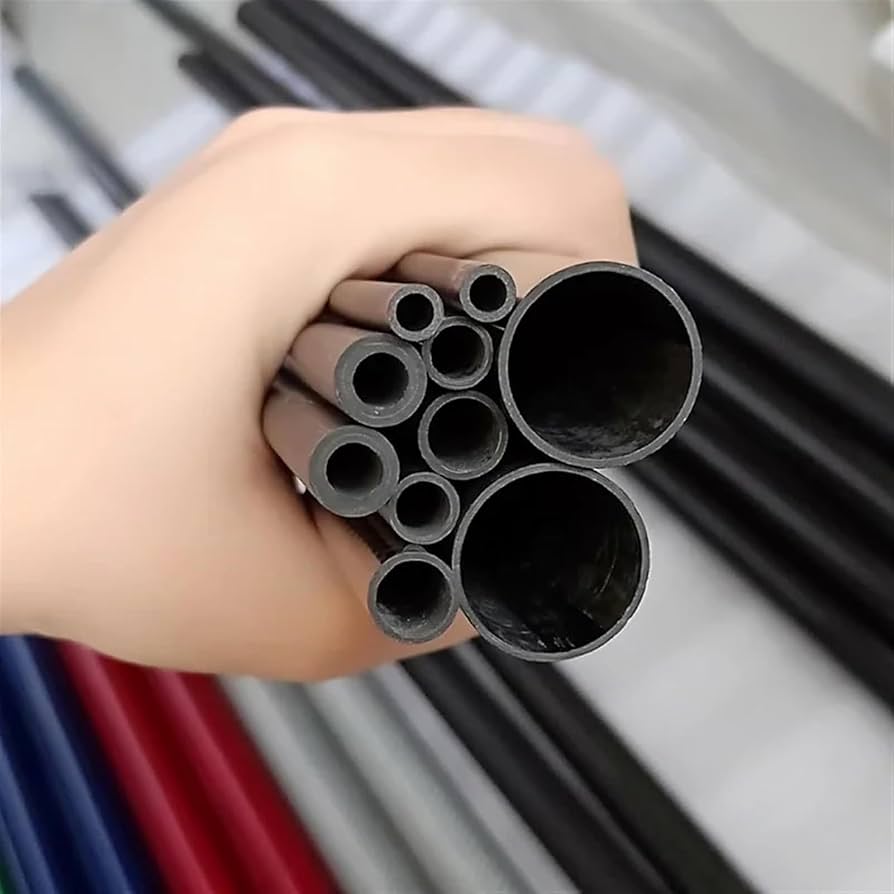
What Is Carbon Fiber Round Tube
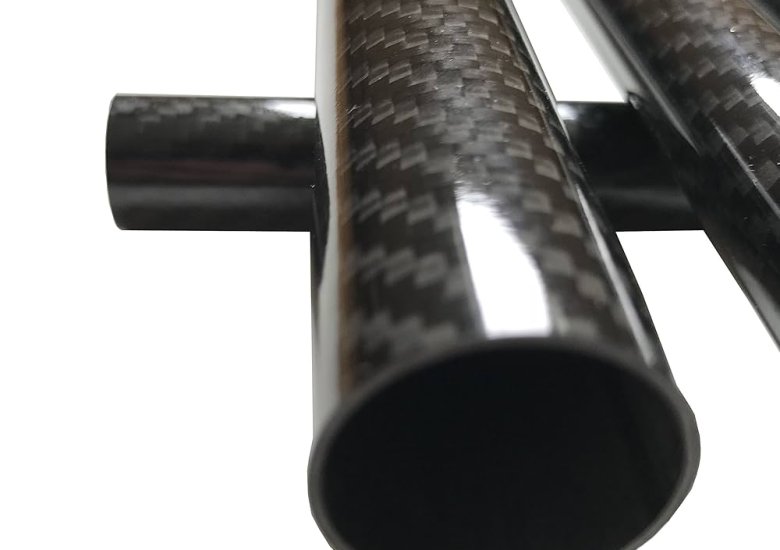
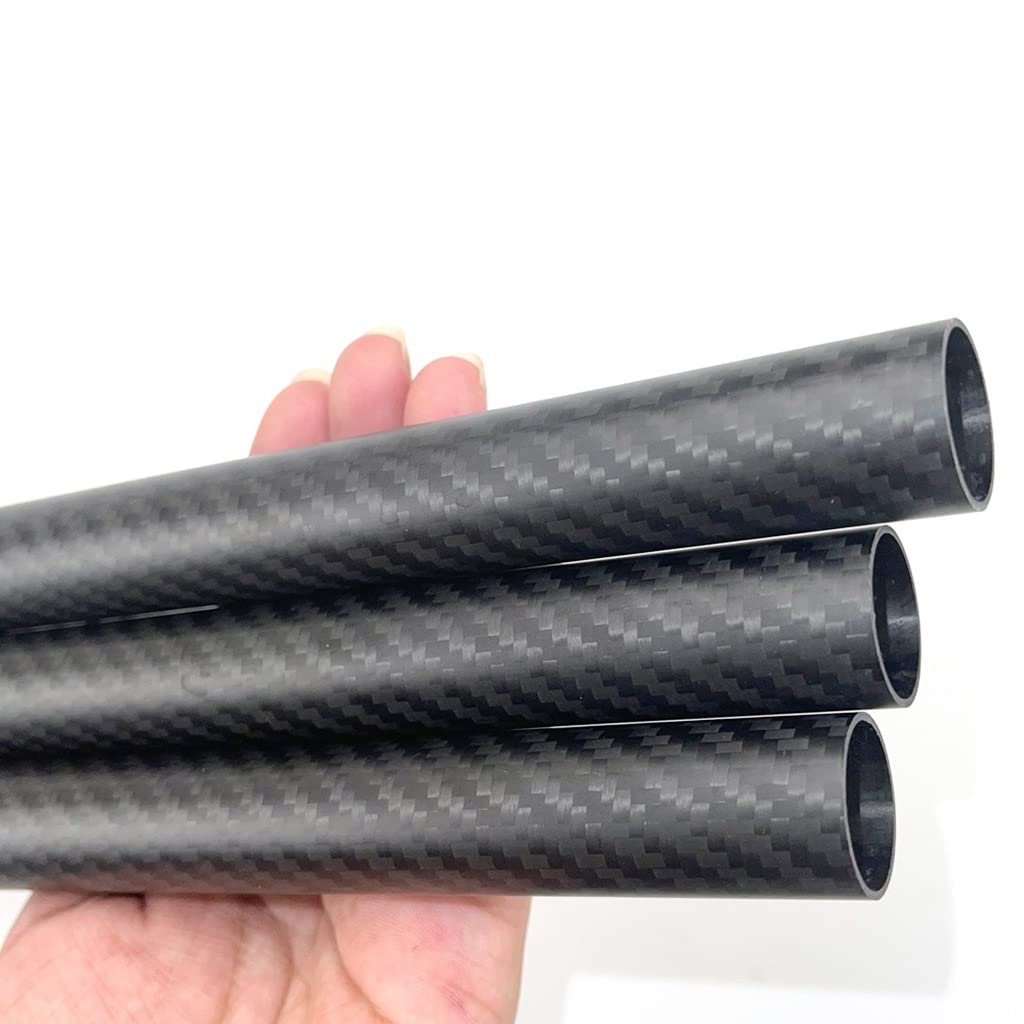
A tubo redondo de fibra de carbono is a hollow cylindrical composite part built from high-strength carbon fibers bound in resin. These fibers run either along the length or in angled layers, giving the tube outstanding strength for its weight. Engineers, hobbyists, and manufacturers often choose these tubes when steel or aluminum would add too much bulk. Whether you need a tubo de fibra de carbono pultrudado for simple strength or a roll-wrapped tube for torque resistance, the choice impacts cost, durability, and performance.
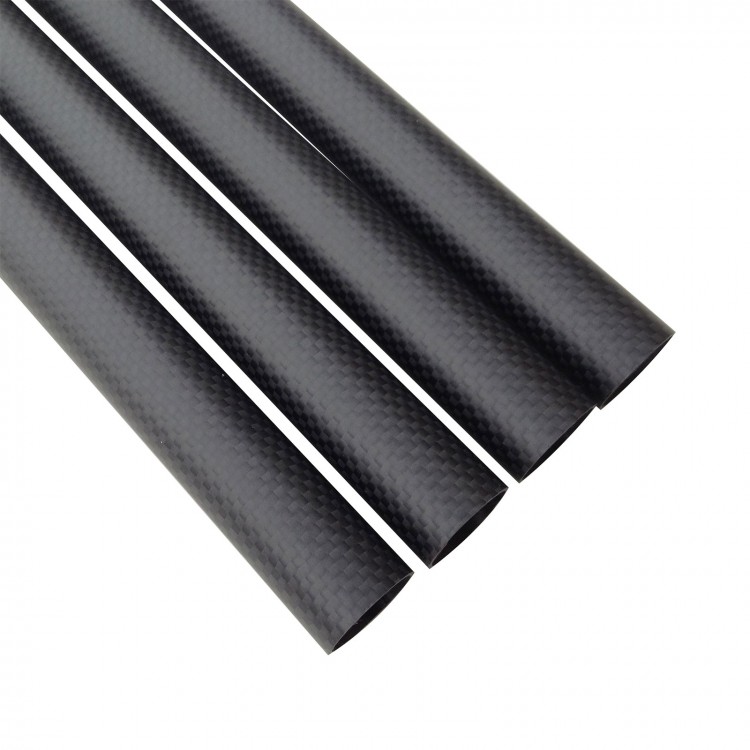
Carbon Fiber Round Tube Properties
These tubes deliver high stiffness while weighing far less than metals. They resist fatigue better than aluminum and offer dimensional stability across wide temperature ranges. A 1 tubo de fibra de carbono can handle tension and compression with ease, while a Tubo de fibra de carbono de 1,5 polegada balances size with lightness for sports or aerospace work. Larger tubes, such as a Tubo de fibra de carbono de 4 polegadas, withstand heavy structural loads while remaining manageable in weight.
Key properties include:
Excellent stiffness-to-weight ratio
High tensile strength
Resistance to environmental wear
Low thermal expansion
Long service life under cycling loads
Carbon Fiber Round Tube Types
Not all round tubes are alike. Two main types dominate:
Pultruded carbon fiber tube: Fibers run parallel through the length, producing remarkable axial stiffness but limited torsional strength. These tubes excel in straight-line load applications like beams or trusses.
Roll-wrapped round tube: Layers of fiber cloth are wrapped around a mandrel at different angles, offering better torque resistance and impact absorption. These tubes are often used in sports gear, UAVs, and automotive projects.
Manufacturing of Carbon Fiber Cloth
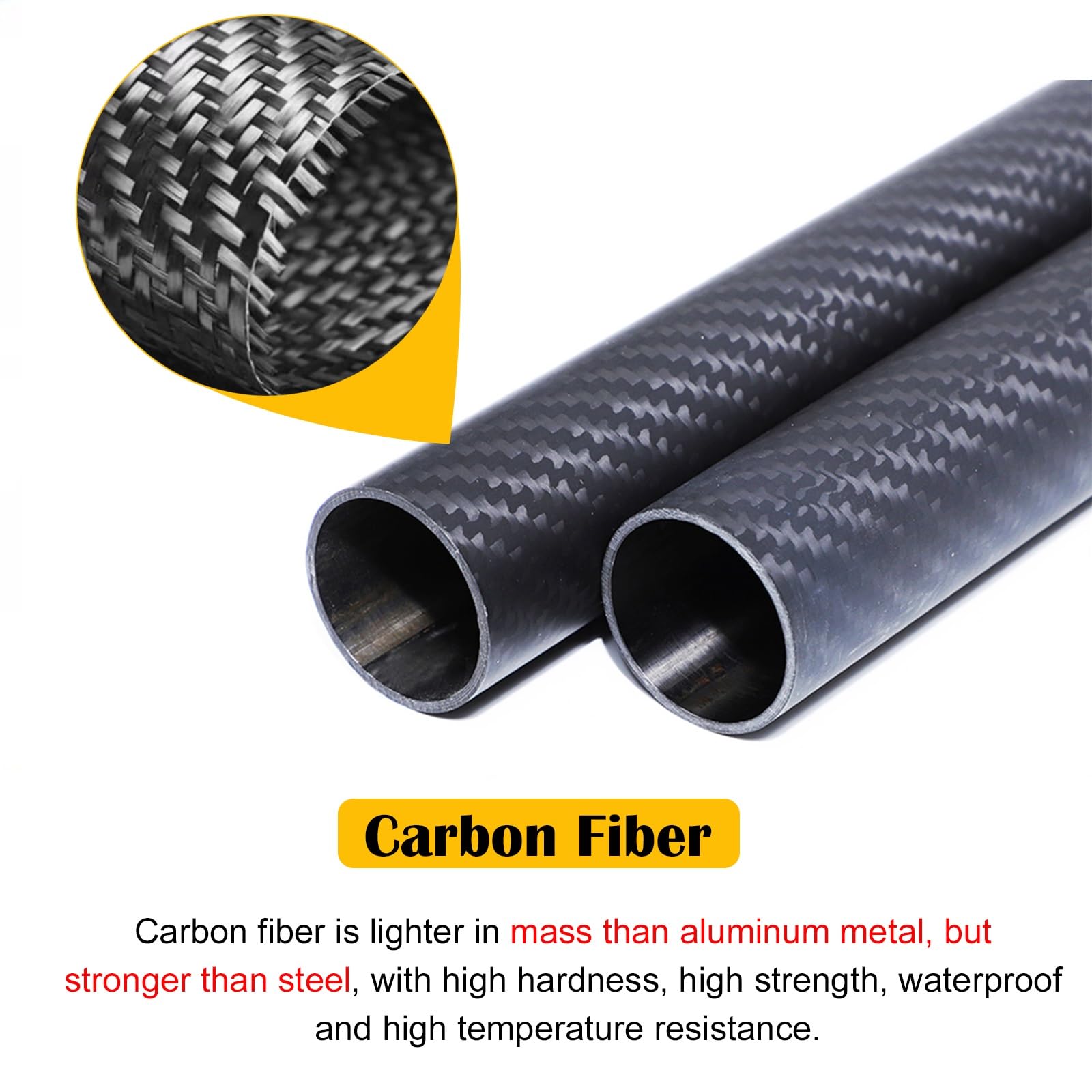
At the core of every tube lies carbon fiber cloth. The fabric begins as bundles of carbon filaments, woven into patterns like plain weave or twill. This cloth is then impregnated with resin, creating a pre-preg sheet. For pultruded tubes, fibers are drawn through resin baths before curing. For roll-wrapped tubes, sheets are wrapped onto mandrels and cured under pressure. The weave type and resin system both influence how a tubo de fibra de carbono behaves once in service.
Referências:
1. A fibra de carbono ideal para drones: materiais em folhas e opções
2. Como cortar um tubo de fibra de carbono?
3. Entendendo os ensaios de dureza e compressão de tubos de fibra de carbono
4. Vara de fibra de carbono x vara de grafite: qual delas atende melhor às suas necessidades?
5. 8 erros que os engenheiros cometem ao escolher tubos de fibra de carbono e como evitá-los
Carbon Fiber Tube Applications
Demand spans across industries:
Aeroespacial uses Tubo de fibra de carbono de 4 polegadas segments for structural bracing.
Robótica depends on 1 tubo de fibra de carbono shafts for lightweight motion arms.
Sports gear such as bicycles rely on Tubo de fibra de carbono de 1,5 polegada frames for stiffness.
Automotivo adopts roll-wrapped tubes for driveshafts needing torque strength.
Marine equipment uses pultruded tubes for corrosion resistance.
The choice of type and size always hinges on the stress conditions, budget, and weight constraints.
Benefits of Using Carbon Fiber Cloth in Round Tubes
Customers often pick carbon fiber for one primary reason: performance without excess weight. Using carbon cloth in tubes allows:
Weight savings compared to steel or titanium
Longer fatigue life compared to aluminum
Greater stiffness per unit mass
Resistance against rust or rot
Design flexibility with fiber angles
For cost-sensitive projects, pultrusion brings affordable performance. For high-precision work, roll-wraps unlock far more mechanical balance.
Choosing Carbon Fiber Tube for Your Project
Selecting the right tube involves asking key questions:
Does your load run straight along the tube axis? Choose pultruded.
Does your design face twisting or multi-directional forces? Go with roll-wrapped.
Do you need small diameter shafts? 1 tubo de fibra de carbono is affordable and widely stocked.
Do you need midsize? A Tubo de fibra de carbono de 1,5 polegada works well in drones or robotics.
Do you need heavy-duty? A Tubo de fibra de carbono de 4 polegadas supports aerospace or marine use.
Balancing performance with cost always defines the smartest purchase.
Limitations to Take Into Account
Despite its strengths, carbon fiber has quirks. Tubes can splinter under sudden blunt impact. Drilling or machining requires diamond tools and careful technique. Repairs are not as simple as welding steel. Larger diameters such as a Tubo de fibra de carbono de 4 polegadas can also be expensive, especially in roll-wrapped form. Customers should weigh both strengths and drawbacks before committing.
The Future of Carbon Fiber Round Tube
Markets continue shifting as industries chase lighter and stronger structures. Expect more hybrid layups combining pultrusion with roll-wraps. Larger tubes like Tubo de fibra de carbono de 4 polegadas will enter automotive and infrastructure projects. New resin systems will boost heat resistance while driving costs down. As manufacturing scales, accessibility will improve, allowing broader adoption beyond aerospace or high-end sports.
Conclusão
A tubo redondo de fibra de carbono offers outstanding possibilities for modern engineering. With options like tubo de fibra de carbono pultrudado, 1 tubo de fibra de carbono, or large-diameter Tubo de fibra de carbono de 4 polegadas, the range of solutions fits small-scale hobbies and industrial-scale systems alike. Choosing the right type depends on balancing cost, strength, and geometry. Customers who evaluate real stress conditions and compare specifications will find the best tube for their project.