
 English
  German
  Czech
Czech  Spanish
  Hebrew
  French
  Danish
  Portuguese
  Norwegian
  Dutch
Dutch 
Table of Contents
You found a supplier online. The website looks professional. The product photos look sharp. The price is lower than everyone else’s.
Then you ask a simple question: “Can you send me a factory video call?” And the replies get slow. Vague. Or they just stop.
This happens more often than most buyers expect. A lot of listings for custom carbon fiber pipe are posted by trading companies, not factories. Some are real manufacturers with limited equipment. Others are legitimate factories that simply don’t explain their capabilities clearly, which makes buyers nervous for no good reason.
Picking the wrong source doesn’t just waste time. It can mean a rejected batch, a missed prototype deadline, or a product that fails testing because the wall thickness or resin ratio wasn’t what the datasheet claimed. This guide walks through the questions serious buyers should ask before sending a deposit, and why each answer matters.
Are You a Real Custom Carbon Fiber Pipe Manufacturer?
This is usually the first question buyers ask, and it’s the right one to start with.
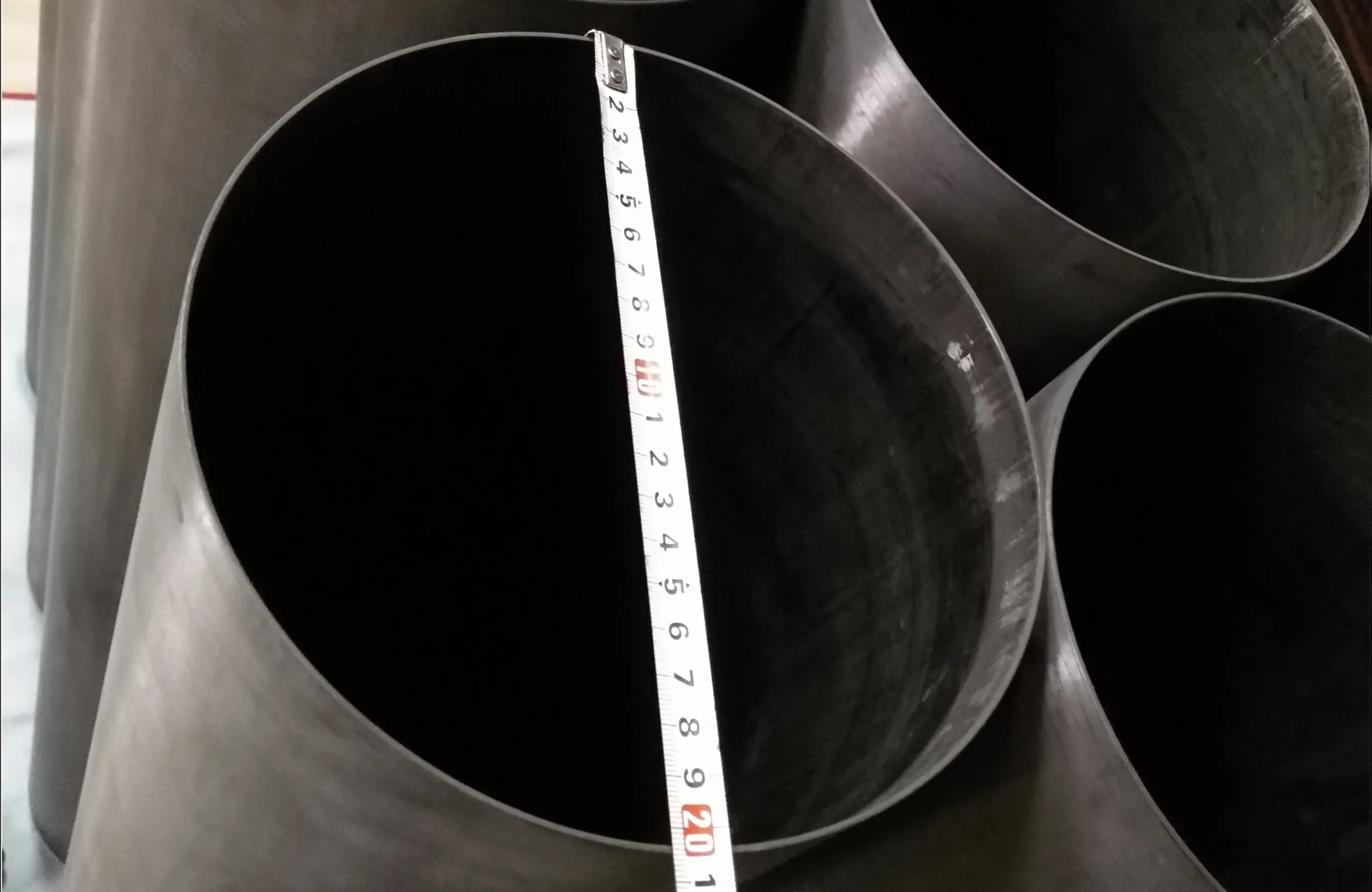
A real custom carbon fiber pipe manufacturer owns or operates production equipment — mandrels, filament winding or roll-wrapping machines, curing ovens, and cutting tools. A trading company owns none of this. They forward your order to a factory, add a markup, and manage communication in between.
There’s nothing wrong with buying through a trader if the price and lead time work for you. The problem is when a trader presents themselves as a factory. You lose direct access to engineering, and quality issues take longer to resolve because messages pass through an extra layer.
Ask for a live video call showing the production floor. Ask who signs the business license and whether it matches the company name on the invoice. A carbon fiber pipe factory with nothing to hide will usually say yes without hesitation.
Related articles:
How to Evaluate Quality Control for Carbon Fiber Drone Components
How to Verify Dimensions of Carbon Fiber Tubes for UAVs
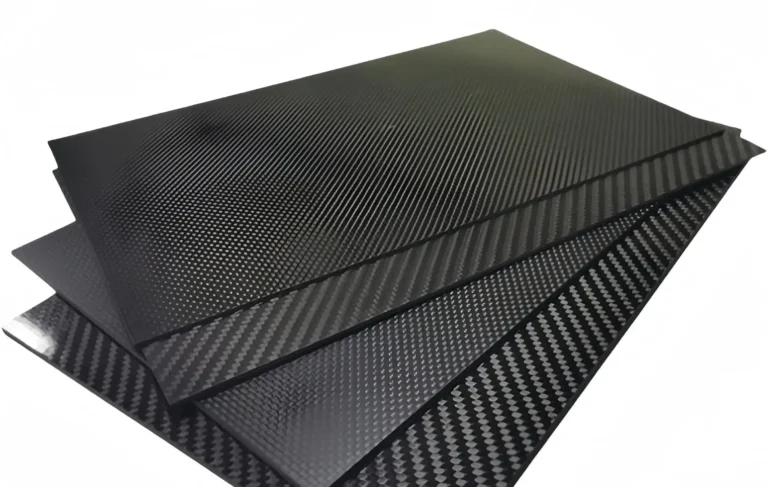
CFRP Sheets for Outdoor Equipment: UV, Moisture and Long-Term Weathering
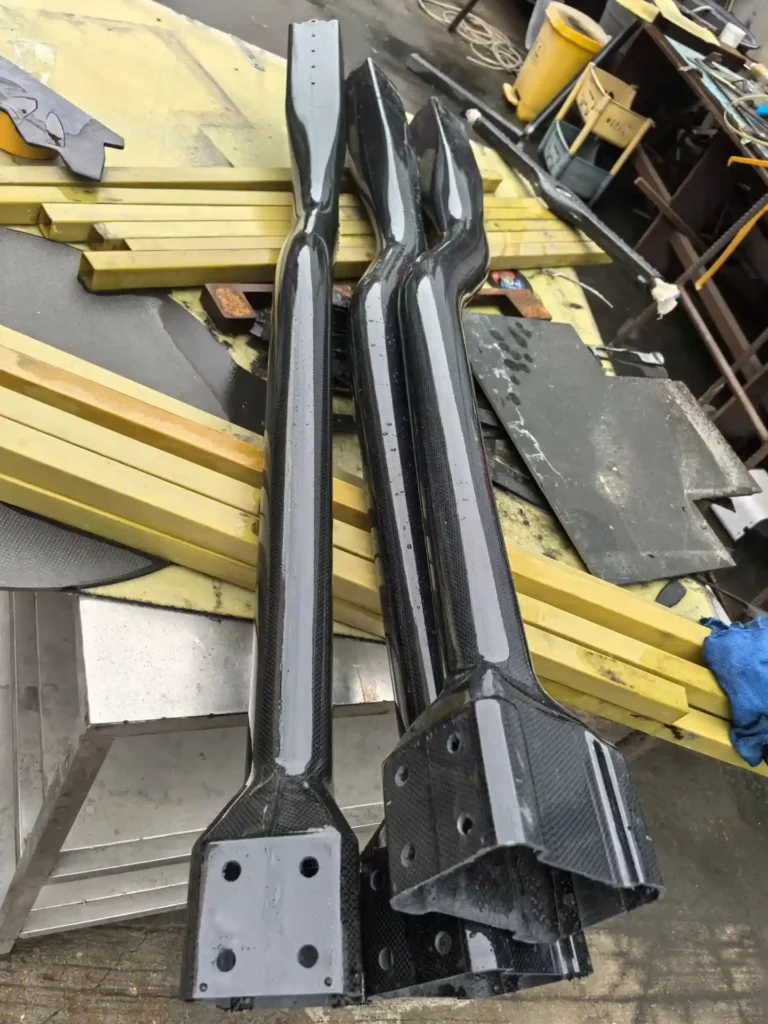
Carbon Fiber Plates for Frames: Prevent Warping After CNC
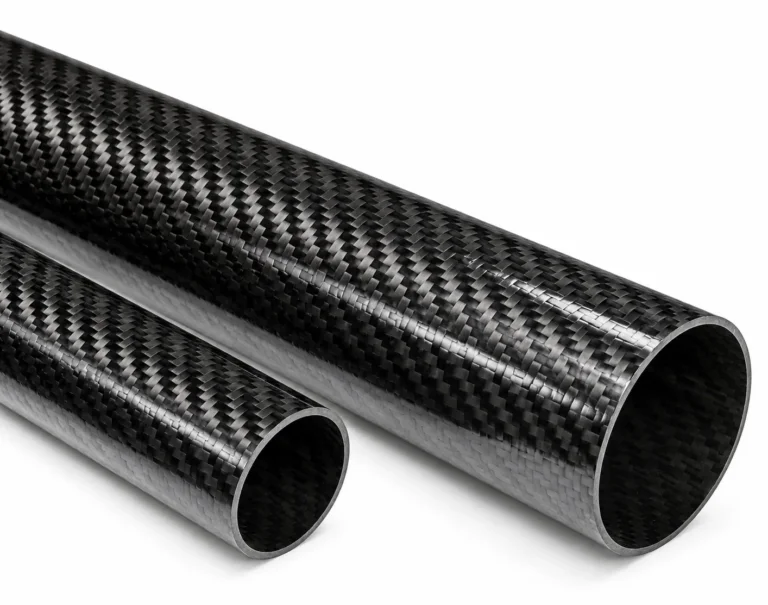
Carbon Fiber Tubes for Glider Tail Boom Alignment & Trim Control
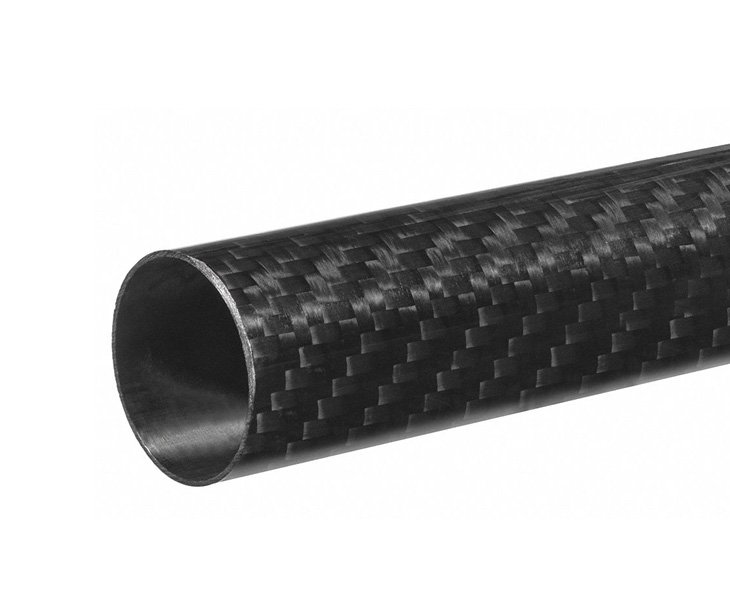
Carbon Fiber Tube for UAV Antenna Placement & GNSS Design
What Can You Manufacture?
Carbon fiber pipe covers a wide range of products, and not every factory makes all of them.
Some shops only produce standard round tubes in fixed sizes. Others make shaped profiles, tapered poles, square or rectangular sections, or pipes with bonded end fittings. A drone manufacturer in the Netherlands once ordered tapered arms from a supplier that only had experience with straight tubes — the wall thickness varied along the taper because the mandrel wasn’t designed for that shape, and half the batch failed balance testing.
Before ordering, ask for photos or drawings of similar parts the supplier has actually produced — not stock catalog images. If your application needs a taper, a bend, or a bonded joint, confirm they’ve made that shape before, not just a straight tube.
What Processes Do You Have?
The process used to make a custom carbon fiber pipe affects its strength, weight, and consistency more than most buyers realize.
Roll-wrapping is common for standard round tubes and keeps costs down. Filament winding gives more control over fiber angle, which matters for parts under torsion, like drive shafts. Pultrusion works well for constant cross-sections produced in long lengths. Each process has trade-offs in strength, surface finish, and minimum order quantity.
Ask your supplier which process they use for your specific size and application, and why. A supplier who can explain the trade-off between roll-wrapping and filament winding for your torsion load is giving you real engineering input, not a sales pitch.
What Sizes and Materials Can You Make?
Outer diameter, wall thickness, and length ranges vary a lot between factories. So does material selection — 3K plain weave, 3K twill, unidirectional layup, and different resin systems (epoxy, high-temperature epoxy) all behave differently under load and heat.
A custom carbon fiber pipe order for a robotics arm needs different fiber orientation than a UAV boom tube, even if the outer diameter looks identical on paper. Ask for the achievable OD and ID tolerance range, minimum wall thickness at your required diameter, and whether the resin system suits your operating temperature. Request a mechanical test report from actual production, not a theoretical value pulled from a fiber supplier’s datasheet.
Can You Customize?
Customization means more than “yes, we can do it.” It means the supplier can adjust wall thickness, layup angle, length, and finish to match your drawing — and explain the cost and lead time impact of each change.
If you’re sourcing a custom carbon fiber pipe manufacturer for a new product, ask how they handle first-article inspection and what happens if the first sample doesn’t match spec. A supplier who walks you through their revision process before you ask is usually one worth working with long-term.
Can You Handle Prototypes and OEM Production?
Prototype runs and full custom carbon fiber pipe OEM production require different things from a supplier. A prototype needs flexibility — small quantities, fast turnaround, willingness to adjust the design after testing. Mass production needs consistency — the tenth batch should match the first one.
Some factories are strong at one and weak at the other. A shop set up for high-volume runs may charge a steep premium for a single prototype, or refuse it outright. A small prototyping shop may not have the capacity or quality system for a 10,000-unit order.
Ask directly: what’s your minimum order for a first sample, and what’s your typical lead time scaling from prototype to production volume? The answer tells you whether this supplier fits your project timeline.
Sourcing a custom carbon fiber pipe supplier — whether in China or elsewhere — comes down to verifying real capability instead of trusting a polished website. Ask to see the factory, ask what processes and materials they actually work with, and ask how they handle both a single prototype and a full OEM run. A supplier willing to walk through production data, testing methods, and process details openly is usually the one that becomes a dependable long-term partner.
If you’re comparing suppliers or getting ready to source a carbon fiber pipe manufacturer in China for your next project, we’re happy to review your drawings, answer technical questions, and recommend the right process for your application — whether you need one prototype or a full production run.
Frequently Asked Questions
Can I order just one carbon fiber pipe for a prototype?
Yes, most manufacturers that support prototyping will accept single-piece orders, though pricing per unit is higher than volume production.
Do you provide free samples?
Standard stock sizes are often available as free or low-cost samples. Custom dimensions usually require a paid sample run since tooling or mandrel setup is involved.
Can you manufacture carbon fiber pipe from my drawing?
Yes, as long as the drawing specifies OD, ID or wall thickness, length, and material requirements. Supplying a 2D or 3D file speeds up quoting and helps the manufacturer review the project more accurately.
What tolerances can a carbon fiber pipe supplier typically achieve?
This depends on the process. Filament winding and precision mandrel roll-wrapping can hold tighter OD/ID tolerances than basic roll-wrapping. The required tolerance should be confirmed with the supplier before production.
Do you offer material test reports?
Reliable suppliers can provide tensile, flexural, or torsion test data from actual production batches, not just fiber manufacturer datasheets. Test requirements should be confirmed before placing the order.
What's the lead time for a custom carbon fiber pipe order?
Prototype samples typically take 1–2 weeks; full OEM production runs depend on volume and complexity, often 3–6 weeks.
Do you support OEM and private label carbon fiber pipe manufacturing?
Yes, many factories offer OEM services including custom branding, packaging, and documentation for resale.
What's the minimum order quantity for wholesale carbon fiber pipe?
MOQs vary by size and complexity. Standard tube sizes often have lower MOQs than custom-shaped or tapered profiles.
Can carbon fiber pipe be made in non-round shapes?
Yes, square, rectangular, and tapered profiles are possible, but not every factory has tooling for these. Confirm the supplier's manufacturing capability before ordering.
How do I know if a supplier is a real carbon fiber pipe factory and not a trading company?
Ask for a live video tour of the production floor, request the business license, and ask specific process questions a trader typically can't answer in detail. You can also ask about the manufacturing process, equipment, material sourcing, quality control, and production capacity.