
 Czech
Czech  English
  German
  Japanese
  Arabic
  Spanish
  French
  Korean
  Italian
  Danish
  Polish
  Turkish
  Portuguese
  Russian
  Norwegian
  Dutch
Dutch 
Obsah
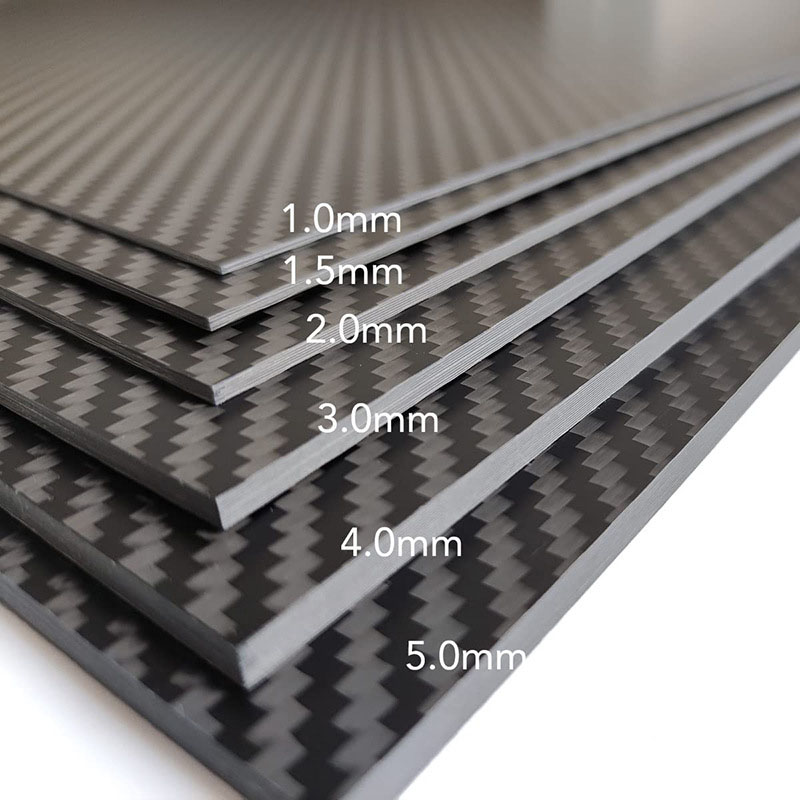
Modern footwear brands podiatry labs and orthopedic device makers constantly search for lighter stronger and more stable materials. In that shift carbon fibre fiber sheet has become a serious material choice rather than a niche experiment. Manufacturers once relied on plastics metals and layered composites. However performance limits quickly surfaced under repetitive stress. Therefore designers began replacing rigid inserts and support plates with carbon fiber sheets. As a result energy return improves while structural thickness drops.
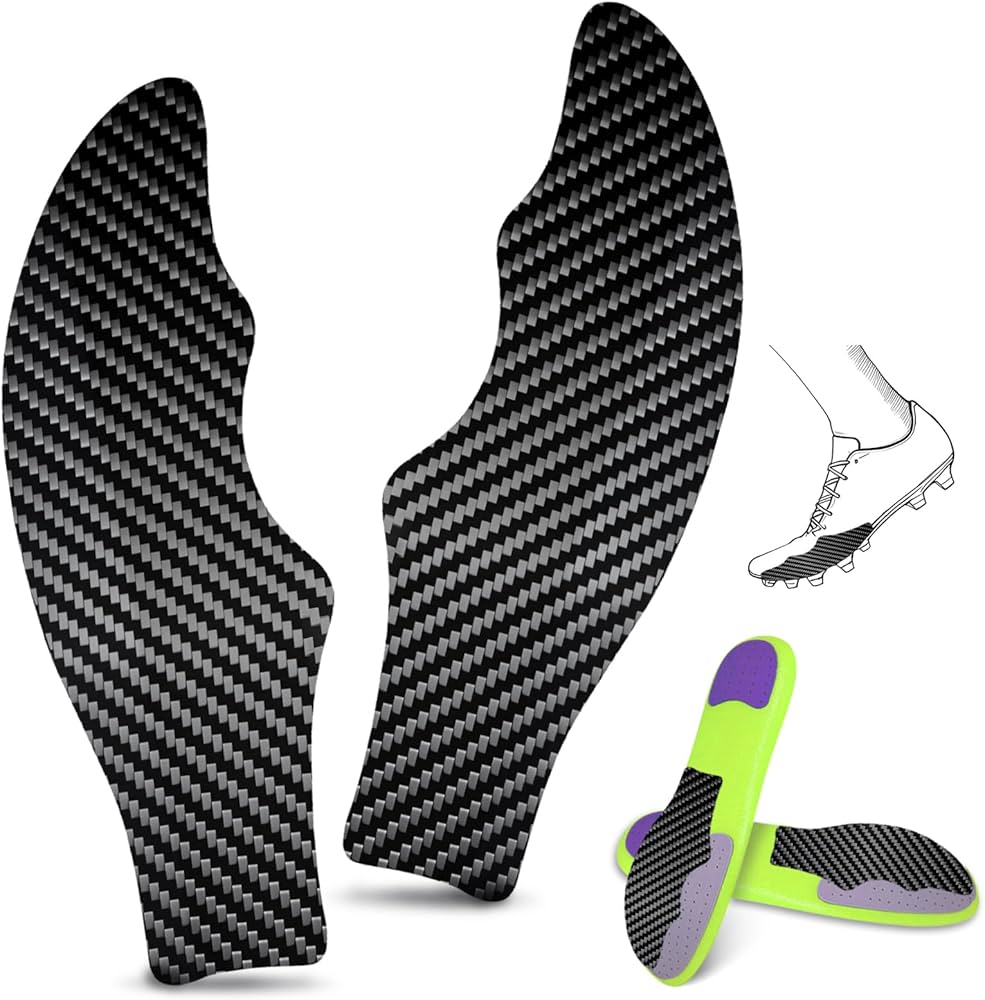
Foot mechanics demand controlled stiffness rather than brute rigidity. Consequently material behavior matters more than marketing gloss. A carbon fibre fiber sheet provides directional strength which helps manage gait load during heel strike and toe-off phases. Meanwhile weight reduction lowers fatigue across long walking cycles. Because of that orthotic manufacturers now integrate carbon fiber sheet layers into insoles braces and corrective footwear shells.
Unlike decorative laminates adhesive carbon fiber sheets serve structural roles inside midsole stacks and orthopedic shells. Furthermore bending carbon fiber sheet geometry allows dynamic response tuned for patient condition. That flexibility gives designers room for smarter biomechanical control.
Odkazy:
1. Ideální uhlíková vlákna pro drony: Materiály a možnosti listů
2. Jak řezat trubky z uhlíkových vláken?
3. Porozumění zkouškám tvrdosti a tlaku trubek z uhlíkových vláken
4. Uhlíková vlákna vs. grafitová tyč: Který z nich nejlépe vyhovuje vašim potřebám
5. 8 chyb, kterých se inženýři dopouštějí při výběru trubek z uhlíkových vláken, a jak se jim vyhnout
The Engineering Advantage Behind Carbon Fibre Fiber Sheet in Medical and Footwear Design
Material science drives adoption. Listy z uhlíkových vláken combine high tensile strength with low mass density. Therefore shoe structures stay thin without sacrificing support.
Fiber orientation controls stiffness zones. Designers adjust ply angles across heel arch and forefoot regions. As a result a single carbon fiber sheet can deliver varied flex behavior within one insert.
Additionally fatigue resistance plays a huge role. Repeated gait cycles stress internal plates thousands of times daily. Metals often deform permanently. Plastics creep. Carbon fibre fiber sheet resists micro cracking under repeated flex loads.
Because fiber matrix bonds distribute stress evenly fracture risk declines dramatically. Consequently long term device reliability improves for both athletes and clinical patients.
Design Without Compromise Using Carbon Fiber Sheets
Footwear designers frequently struggle between comfort and control. Thick plastics create bulk. Steel inserts add weight. However carbon fiber sheets maintain stiffness at lower thickness.
Therefore shoe silhouettes remain slim. Moreover performance footwear gains responsive energy transfer. Runners feel snap rather than mush.
Orthopedic braces benefit as well. A bend carbon fiber sheet structure conforms around ankle contour while maintaining torsional restraint. Hence device weight decreases which improves patient compliance.
Adhesive carbon fiber sheets allow bonding into foam layers without heavy mechanical fasteners. Consequently production lines stay clean and modular.
Thermal Stability and Long-Term Reliability of Carbon Fiber Sheet in Orthotic Applications
Footwear faces heat moisture and pressure daily. Temperature changes occur during athletic activity. Sweat exposure remains constant.
Carbon fibre fiber sheet maintains dimensional stability under moderate thermal variation. Plastics may warp. Aluminum expands noticeably. Carbon fiber sheet holds shape across wide operating ranges.
Furthermore moisture absorption remains minimal under proper resin systems. That feature protects structural stiffness. Therefore long service life becomes realistic even in humid climates.
Fatigue resistance under cyclic bending carbon fiber sheet conditions also outperforms many thermoplastics. Consequently orthotic plates keep performance consistency across months of use.
Comparing Carbon Fiber Sheet to Conventional Case Materials in Footwear
Traditional inserts rely on polypropylene nylon or metal shanks. Each option carries drawbacks.
Plastic plates bend permanently under heavy load. Metal shanks add noise and weight. Meanwhile layered fiberglass boards increase thickness.
Carbon fiber sheets outperform these alternatives in stiffness to weight ratio. Therefore designers achieve stronger control with thinner profiles.
Additionally carbon fibre fiber sheet distributes load along fiber direction rather than concentrating stress at one pivot. That load distribution reduces crack formation over time.
Even aesthetic branding benefits. Visible weave communicates performance credibility to consumers who value technical detail.
Manufacturing Flexibility and Customization Potential of Carbon Fiber Sheets
Customization matters in orthopedic and podiatry industries. Patients vary widely. Foot shape arch height pronation angle and gait pattern differ dramatically.
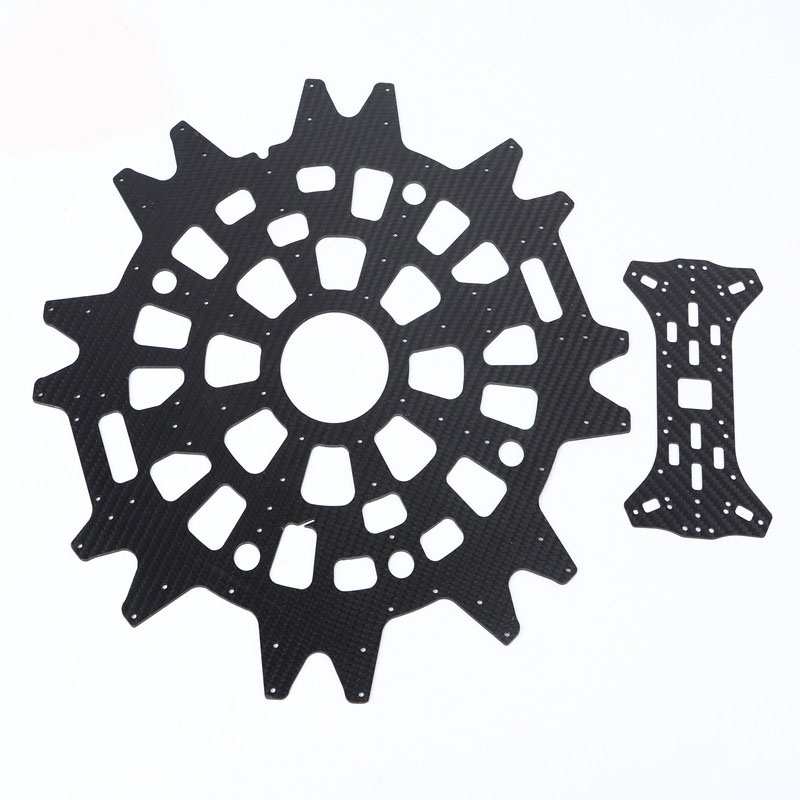
Manufacturers can cut list z uhlíkových vláken using CNC routers for precise geometry. Additionally bending carbon fiber sheet during layup stage allows curved orthotic plates tailored for specific foot models.
For rapid prototyping adhesive carbon fiber sheets bond easily into test footwear assemblies. Therefore iteration cycles shorten dramatically.
Small batch medical production gains from sheet format versatility. Large footwear brands also scale efficiently using standardized carbon fiber sheets across product families.
Moreover thickness selection remains flexible. 1mm 2mm or thicker carbon fiber sheet options suit different performance tiers.
Sustainability Considerations and Material Efficiency of Carbon Fibre Fiber Sheet
Sustainability increasingly influences purchasing decisions. Lightweight footwear reduces transport emissions across distribution chains.
Because carbon fiber sheets allow thinner structural elements material consumption declines overall. Therefore waste reduction improves relative to thick plastic plates.
Longer service life further supports sustainability goals. Durable orthotic devices reduce replacement frequency. Consequently resource efficiency improves at product level.
Some manufacturers now explore recycled carbon fibre fiber sheet feedstock integration. Although still developing such initiatives show promise for future circular production models.
Market Positioning and Brand Value with Carbon Fiber Sheet Integration
Performance branding thrives on measurable data. Carbon fiber sheet integration allows companies to promote energy return stiffness ratio and weight savings transparently.
Consumers associate carbon fiber sheets with high technology sports innovation and premium craftsmanship. That perception enhances product positioning within competitive footwear markets.
Orthopedic clinics also benefit. Devices incorporating carbon fibre fiber sheet often signal advanced biomechanical design. Therefore patient confidence increases.
Moreover adhesive carbon fiber sheets allow hidden structural reinforcement without altering visual style. Brands maintain aesthetic identity while upgrading performance internally.
Practical Application Scenarios Across Footwear and Orthopedic Segments
Athletic running shoes often embed thin carbon fiber sheet plates within midsole foam. As a result propulsion improves during stride transition.
Custom orthotic insoles use bend carbon fiber sheet cores shaped for arch correction. That structure balances flexibility and rigidity carefully.
Ankle foot orthoses integrate layered carbon fiber sheets for dynamic support. Consequently mobility improves without bulky metal components.
Rehabilitation footwear programs increasingly select carbon fibre fiber sheet inserts for lightweight long term wear compliance.
Choosing the Right Carbon Fiber Sheet for Medical and Footwear Use
Material selection should consider thickness fiber orientation and resin type. Designers must evaluate bending stiffness relative to patient body weight.
Furthermore environmental exposure such as sweat heat and cleaning chemicals requires compatible resin systems.
Testing under simulated gait cycles reveals fatigue behavior. Therefore prototype validation remains essential before mass rollout.
Working with suppliers specializing in structural carbon fiber sheet production improves quality consistency. Reliable sourcing protects brand reputation.
Conclusion: Why Carbon Fibre Fiber Sheet Continues Gaining Ground
Footwear podiatry and orthopedic industries demand light durable and biomechanically responsive materials. Carbon fibre fiber sheet answers those demands with high stiffness low weight and adaptable design freedom.
Because of thermal stability fatigue resistance and manufacturing flexibility carbon fiber sheets outperform traditional plastics and metals in many support applications.
As performance expectations rise across global markets adoption will likely accelerate further. Smart brands and clinics recognize material advantage early and act accordingly.