 German
 English
 Czech
 Spanish
 Hebrew
 French
 Danish
 Portuguese
 Norwegian
 Dutch
Inhaltsübersicht
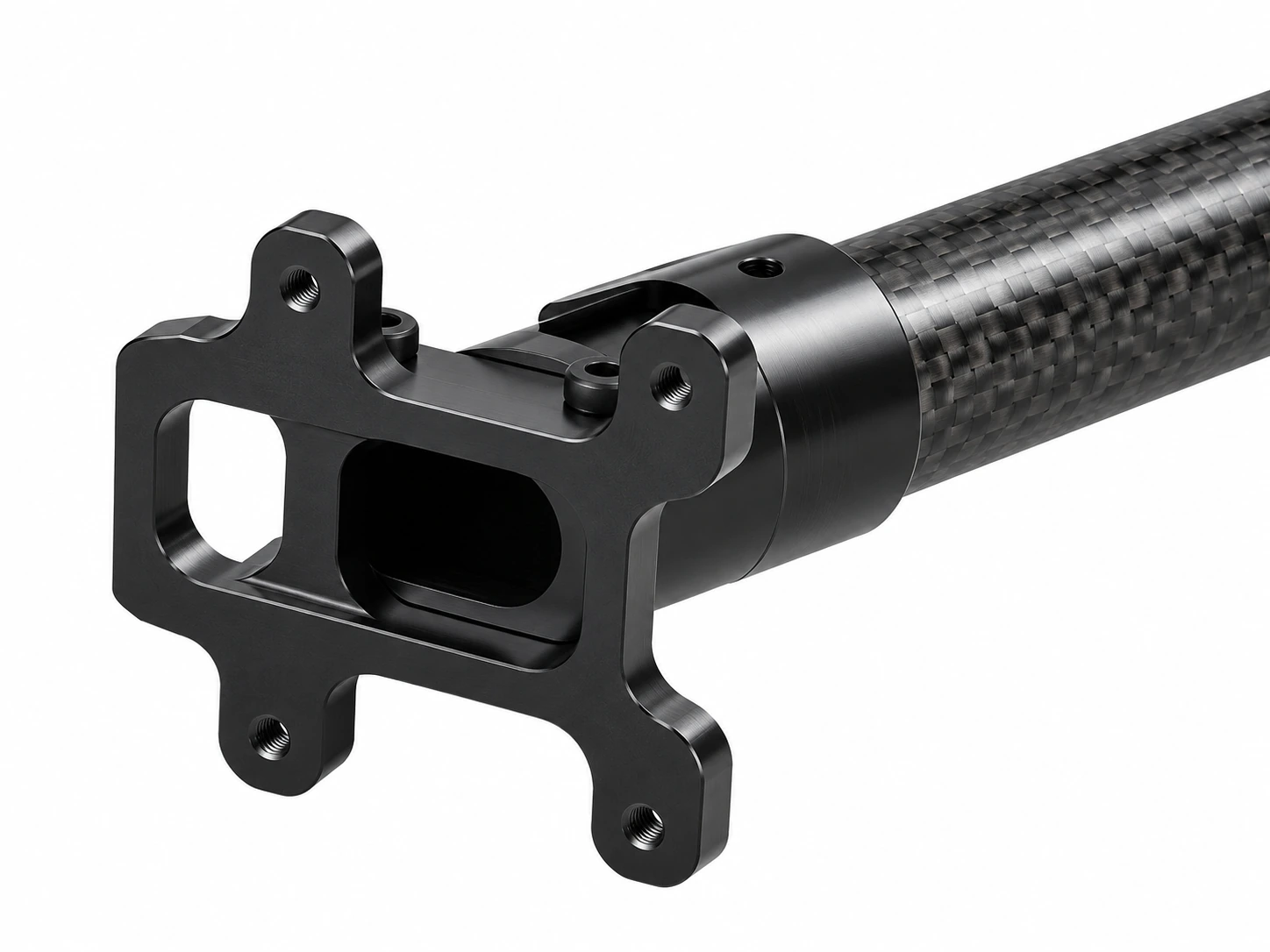
A buyer’s guide to reviewing production processes, inspection records, and batch traceability.
Choosing a supplier involves more than comparing prices and lead times. Consistent quality depends on how a manufacturer controls each production stage, inspects finished components, and responds to problems. A clear carbon fiber selection for drones process should include both material requirements and supplier quality checks.
What Quality Documents Should Buyers Request?
Start by asking for documents that show how the supplier controls production and verifies parts. Depending on the component and order, these may include:
- Material specifications and batch identification
- Inspection plans and acceptance criteria
- Dimensional or visual inspection reports
- Records of approved samples or first articles
- Nonconformance and corrective-action procedures
The documents should relate to the specific parts being purchased. When discussing carbon fiber selection for drones, confirm that the material, resin system, layup, and finish match the agreed specification.
Verwandte Artikel:
How to Evaluate Quality Control for Carbon Fiber Drone Components
So überprüfen Sie die Abmessungen von Kohlenstofffaserrohren für UAVs
CFK-Platten für Outdoor-Ausrüstung: UV-, Feuchtigkeits- und Langzeitbewitterung
Carbonfaserplatten für Rahmen: Verziehen nach CNC-Bearbeitung verhindern
Carbonfaserrohre zur Ausrichtung des Heckauslegers und zur Trimmsteuerung bei Segelflugzeugen
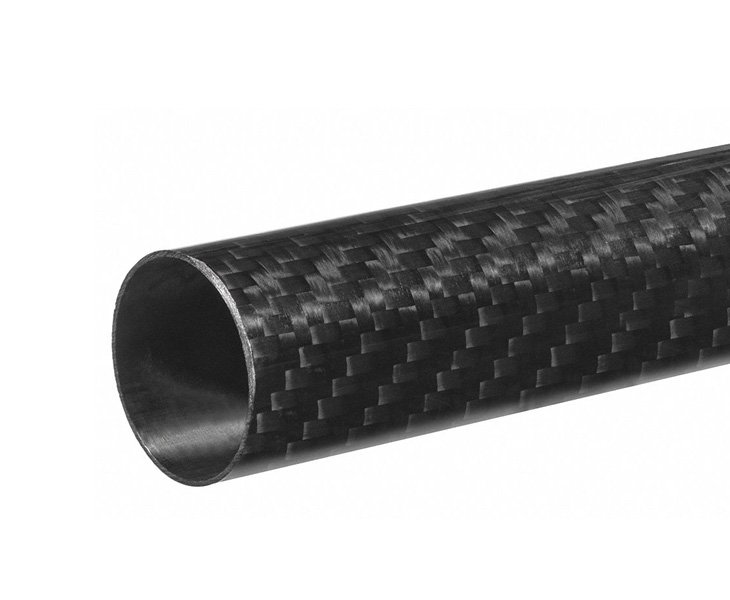
Carbonfaserrohr für UAV-Antennenplatzierung und GNSS-Design
How Can Buyers Compare Production Parts with an Approved Prototype?
An approved prototype gives both parties a reference for production. Before the order moves into volume production, confirm that the supplier has documented the key dimensions, appearance, interfaces, and other agreed requirements.
Ask how production parts are checked against that reference and how changes are controlled. Any proposed change to material, tooling, process, or design should be reviewed before implementation. This helps keep carbon fiber selection for drones consistent from the first sample through later production runs.
What Should an Inspection Report Include?
A useful inspection report identifies the part, drawing or specification revision, production batch, inspection date, and measured results. It should also state which dimensions or characteristics were checked and whether they met the agreed acceptance criteria.
For custom components, buyers should define critical-to-fit or critical-to-function features in advance. That gives the supplier a clear inspection target and helps the buyer assess whether the reported checks are relevant.
How Does Batch Traceability Help?
Traceability links a finished component to its material batch and production records. If a defect appears, the buyer and supplier can identify which parts may be affected and investigate the cause more efficiently.
Ask how batches are labeled, how long records are retained, and whether the supplier can connect inspection results to a specific shipment. Traceability is an important part of supplier evaluation and carbon fiber selection for drones, especially for repeat orders.
How Should Suppliers Handle Nonconforming Components?
Agree on a process for reporting and reviewing parts that do not meet requirements. It should explain how affected products are identified, contained, and assessed, and how corrective actions are documented.
Buyers should also clarify who approves rework, replacement, or other dispositions. A supplier’s response to a quality issue can reveal as much about its quality system as its routine inspection records.
FAQs
1. What quality documents should buyers request from a carbon fiber drone component supplier?
Request relevant material specifications, inspection plans, batch identification, inspection reports, and procedures for handling nonconforming products.
2. How can buyers verify that production parts match an approved prototype?
Document the prototype’s key requirements and ask the supplier to inspect production parts against the approved drawing, sample, and acceptance criteria.
3. What should a supplier’s inspection report include?
It should identify the part and batch, list the characteristics inspected and their measured results, and reference the applicable specification.
4. How does batch traceability help buyers manage quality issues?
It helps connect products to their material and production records, making it easier to identify potentially affected parts and investigate defects.
5. How should suppliers handle nonconforming carbon fiber components?
They should identify and contain affected parts, document the issue, investigate its cause, and agree with the buyer on the appropriate disposition and corrective action.
A structured supplier review helps buyers make better decisions about carbon fiber selection for drones and reduces uncertainty during production. Before ordering, align on specifications, sample approval, inspection records, traceability, and issue resolution. This gives both sides a clear basis for consistent quality across future orders.