 English
 German
 Czech
 Spanish
 Hebrew
 French
 Danish
 Portuguese
 Norwegian
 Dutch
Table of Contents
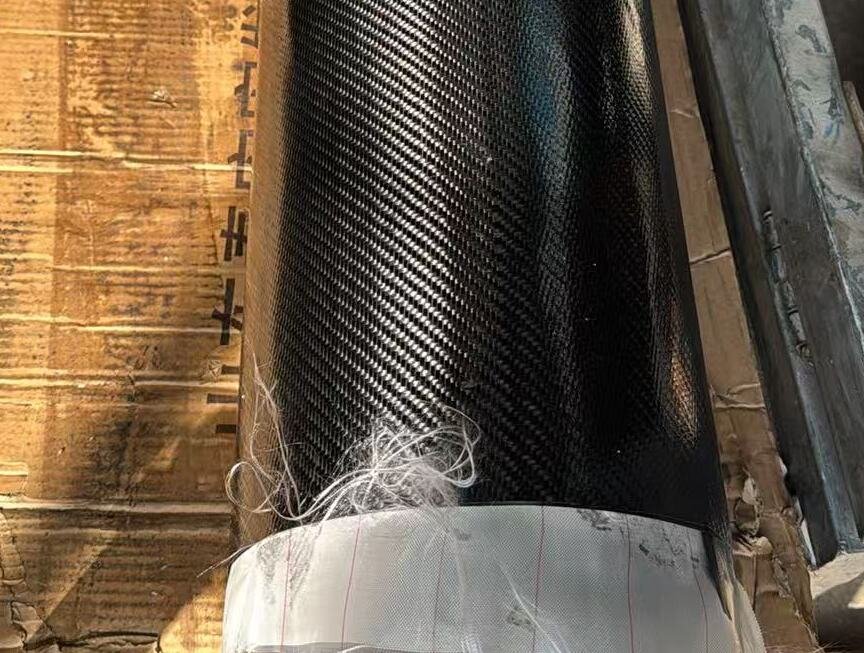
Explore how costs change between prototype, small-batch, and production orders, and how to factor tooling, machining, and order volume into a budget.
When sourcing custom carbon fiber drone frames, the lowest quoted unit price may not represent the lowest total cost. Minimum order quantity (MOQ), setup work, machining, inspection, and inventory all affect the budget. Comparing these factors early helps buyers choose an order size that fits both project needs and cash flow.
Why Do Prototype Orders Cost More per Unit?
A prototype order usually involves design review, programming, setup, and sample inspection spread across only a few parts. These costs are shared by fewer units, so the price per frame is often higher.
Prototypes are useful for checking fit, assembly, and design before committing to a larger order. Buyers should ask whether the prototype price includes tooling or setup charges, and whether those charges will apply again to future orders.
Related articles:
How Should Buyers Evaluate MOQ and Unit Costs for Carbon Fiber Drone Frames
How to Evaluate Quality Control for Carbon Fiber Drone Components
How to Verify Dimensions of Carbon Fiber Tubes for UAVs
CFRP Sheets for Outdoor Equipment: UV, Moisture and Long-Term Weathering
Carbon Fiber Plates for Frames: Prevent Warping After CNC
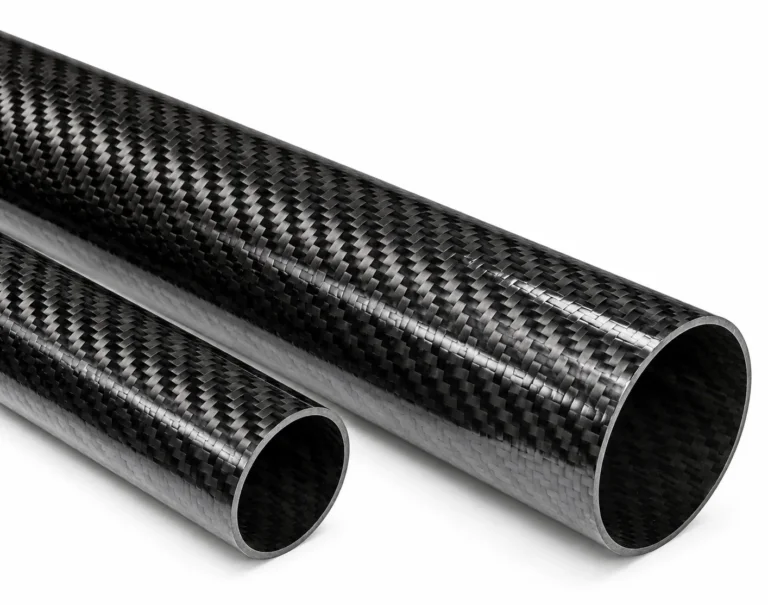
Carbon Fiber Tubes for Glider Tail Boom Alignment & Trim Control
How Do MOQs Affect Unit Costs?
Suppliers may set an MOQ to make production and material purchasing more efficient. Larger orders can reduce the unit price because setup and processing costs are distributed across more parts. However, a lower unit price may require a larger upfront payment and create inventory or storage costs.
When requesting quotes for carbon fiber drone frames, ask suppliers to price several quantities, such as a prototype run, a small batch, and a planned production order. This makes the cost curve easier to compare.
Which Tooling and Setup Costs Should Buyers Expect?
Depending on the design and manufacturing method, costs may include molds, fixtures, CNC programming, cutting tools, or production setup. Some carbon fiber drone frames can be made with limited dedicated tooling, while more complex molded designs may require a larger initial investment.
Ask the supplier to separate one-time costs from recurring per-unit charges. Confirm who owns any custom tooling, how it will be stored, and whether it can be used for repeat orders.
How Do Machining and Finishing Affect the Budget?
Machining time depends on the part’s geometry, hole patterns, edge details, and required tolerances. Additional finishing, inserts, bonding, or inspection can also add cost. Clear drawings and specifications help suppliers quote the same scope, making offers easier to compare.
Check whether packaging, shipping, and inspection documentation are included. A quote with a lower unit price may carry higher charges elsewhere.
How Can Buyers Compare Quotes Beyond Unit Price?
Compare the total landed cost for each order quantity. Include one-time setup, per-unit production, finishing, inspection, packaging, shipping, and any expected inventory costs. Also consider lead time, payment terms, and the supplier’s ability to support repeat orders.
For carbon fiber drone frames, it can be useful to compare the cost of ordering a larger batch now with the cost and risk of holding extra stock. The right choice depends on demand forecasts, product revisions, and available storage.
When Should Buyers Move to Volume Production?
Move to a larger order when the design is stable, the prototype has passed evaluation, and demand is reasonably predictable. Before scaling up, confirm the approved specifications, production schedule, quality checks, and process for handling defects or design changes.
A staged approach can help: validate a prototype, order a small batch, then increase volume as demand becomes clearer. This balances unit price with the risk of committing to too much inventory.
FAQs
1. Why is the unit cost higher for prototype orders?
Setup, programming, and review costs are spread across fewer parts, increasing the cost per unit.
2. How do MOQs affect the price of custom frames?
A higher order quantity may lower the unit price, but it raises the upfront spend and may increase inventory costs.
3. Which tooling and setup costs should buyers ask about?
Ask about molds, fixtures, CNC programming, production setup, and any recurring charges. Clarify tooling ownership and storage.
4. How can buyers compare supplier quotes beyond unit price?
Compare the full cost, including setup, machining, finishing, inspection, packaging, shipping, and inventory.
5. When should a buyer move from a small batch to volume production?
Consider scaling up after the design is validated, specifications are approved, and demand is sufficiently predictable.
A clear breakdown of fixed and per-unit costs helps buyers choose an order quantity that suits their budget and production plan. For carbon fiber drone frames, comparing multiple order scenarios—and confirming exactly what each quote includes—can prevent unexpected costs later.