
 Spanish
  English
  German
  Czech
Czech  Hebrew
  French
  Danish
  Portuguese
  Norwegian
  Dutch
Dutch 
Índice
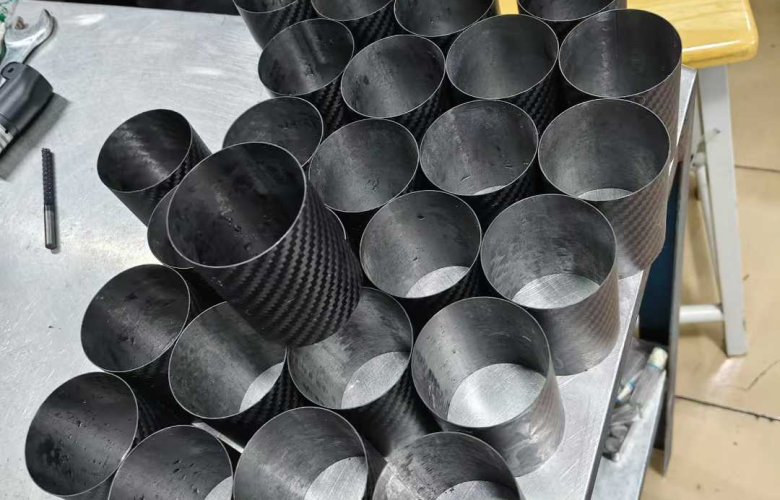
En mercado de fibra de carbono ha experimentado una expansión notable en los últimos años, manteniendo su trayectoria ascendente hasta 2024. La demanda de industrias como la aeroespacial, la automotriz y la energética sigue impulsando este crecimiento. Para empresas y consumidores por igual, comprender la dinámica del mercado requiere analizar los desafíos y explorar soluciones adaptadas.
Comprender las necesidades del mercado
Un factor clave del crecimiento radica en el creciente enfoque en materiales ligeros y de alta resistencia. La fibra de carbono destaca en este sentido, ya que ofrece un rendimiento excepcional mientras reduce el peso estructural. Los clientes de diversos sectores buscan materiales que ofrezcan resistencia sin comprometer la eficiencia. Sin embargo, persisten desafíos, desde las restricciones de la cadena de suministro hasta el costo de producción.
Para los clientes que operan instalaciones de fabricación, la compatibilidad con los equipos y las válvulas existentes se convierte en una preocupación significativa. Ya sea que se utilice en moldeo o en aplicaciones de alta presión, la fibra de carbono debe funcionar perfectamente con componentes auxiliares como válvulas de control de flujo y reguladores térmicos. Cualquier desalineación conlleva el riesgo de costosas interrupciones o de una disminución de la productividad.
Artículos relacionados:
Cómo evaluar el control de calidad para componentes de fibra de carbono para drones
Cómo verificar las dimensiones de los tubos de fibra de carbono para UAV
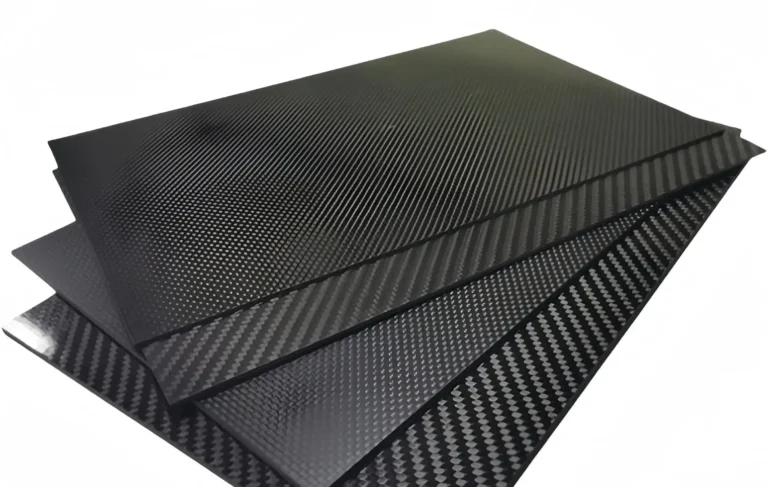
CFRP Sheets for Outdoor Equipment: UV, Moisture and Long-Term Weathering
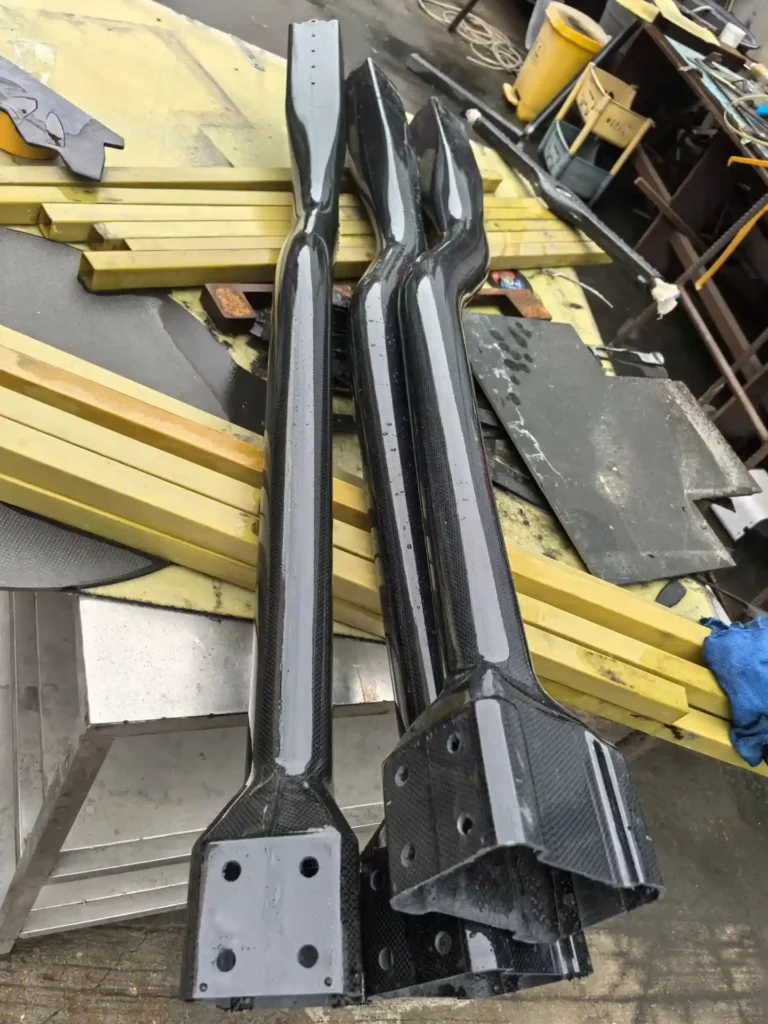
Carbon Fiber Plates for Frames: Prevent Warping After CNC
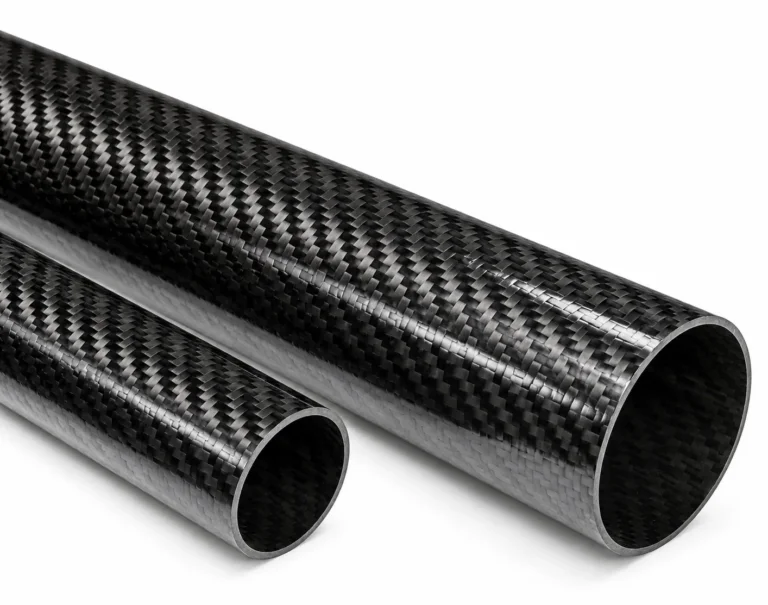
Carbon Fiber Tubes for Glider Tail Boom Alignment & Trim Control
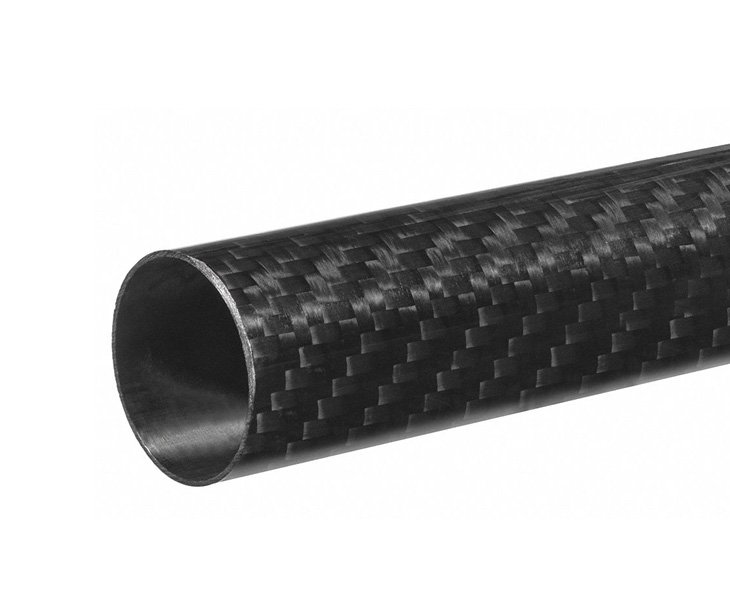
Carbon Fiber Tube for UAV Antenna Placement & GNSS Design
Principales desafíos que enfrentan los clientes
Uno de los obstáculos recurrentes es la asequibilidad. La producción de fibra de carbono implica procesos intensivos en energía. Las empresas a menudo tienen dificultades para justificar la mayor inversión inicial, especialmente si sus operaciones involucran múltiples redes de válvulas que requieren mantenimiento frecuente. Los clientes también encuentran cuellos de botella durante el procesamiento del material, donde las fallas de los equipos o las inconsistencias en las válvulas de flujo pueden comprometer la calidad del producto.
Sostenibilidad en el punto de mira
A medida que aumentan las preocupaciones ambientales, las empresas priorizan la reducción de su huella de carbono.
La durabilidad de la fibra de carbono favorece ciclos de vida útil más largos de los productos, pero su producción requiere métodos más respetuosos con el medio ambiente.
Estas medidas abordan las preocupaciones de los clientes sobre el cumplimiento de las normas regulatorias mientras se reducen los costos operativos.
Por qué importa la sostenibilidad
Ofrecer soluciones prácticas
Abordar estos problemas exige enfoques innovadores y eficientes. Por ejemplo, combinar soluciones de fibra de carbono con tecnologías avanzadas de válvulas mejora la eficiencia del proceso. Las válvulas autorreguladoras de control de flujo pueden optimizar el curado del material, evitando desbordamientos o inconsistencias de presión. Los clientes que integran válvulas inteligentes en sus sistemas pueden monitorear las operaciones en tiempo real, reduciendo el riesgo de fallos no planificados.
Además, las alianzas con proveedores que ofrecen soluciones llave en mano agilizan la adquisición. Al proporcionar productos de fibra de carbono preensamblados con válvulas compatibles, los fabricantes pueden aliviar las complejidades operativas. Las empresas que adoptan estos sistemas integrados se benefician de tiempos de instalación reducidos y de una escalabilidad perfecta.
De cara al futuro
En 2024, el éxito del mercado de la fibra de carbono depende de la adaptabilidad y la innovación.
Los clientes exigen materiales rentables, duraderos y ecológicos, combinados con sistemas de soporte confiables.
Para las empresas que navegan por este panorama en evolución, las soluciones que se integran perfectamente en las operaciones existentes son la clave para un crecimiento y una eficiencia sostenidos.
Por qué esto es importante
Cómo elegir el proveedor adecuado de tubos de fibra de carbono para tu proyecto
Si está planeando un proyecto de fibra de carbono y desea reducir el riesgo desde el principio, podemos ayudarle a encontrar el material adecuado para su aplicación real. Comparta sus requisitos con nosotros y nuestro equipo le ayudará a encontrar una solución práctica que respalde el rendimiento, el control de costos y una producción confiable.