
 Spanish
 English
 German
 Japanese
 Arabic
 Czech
 French
 Italian
 Danish
 Polish
 Portuguese
 Norwegian
 Dutch
Índice
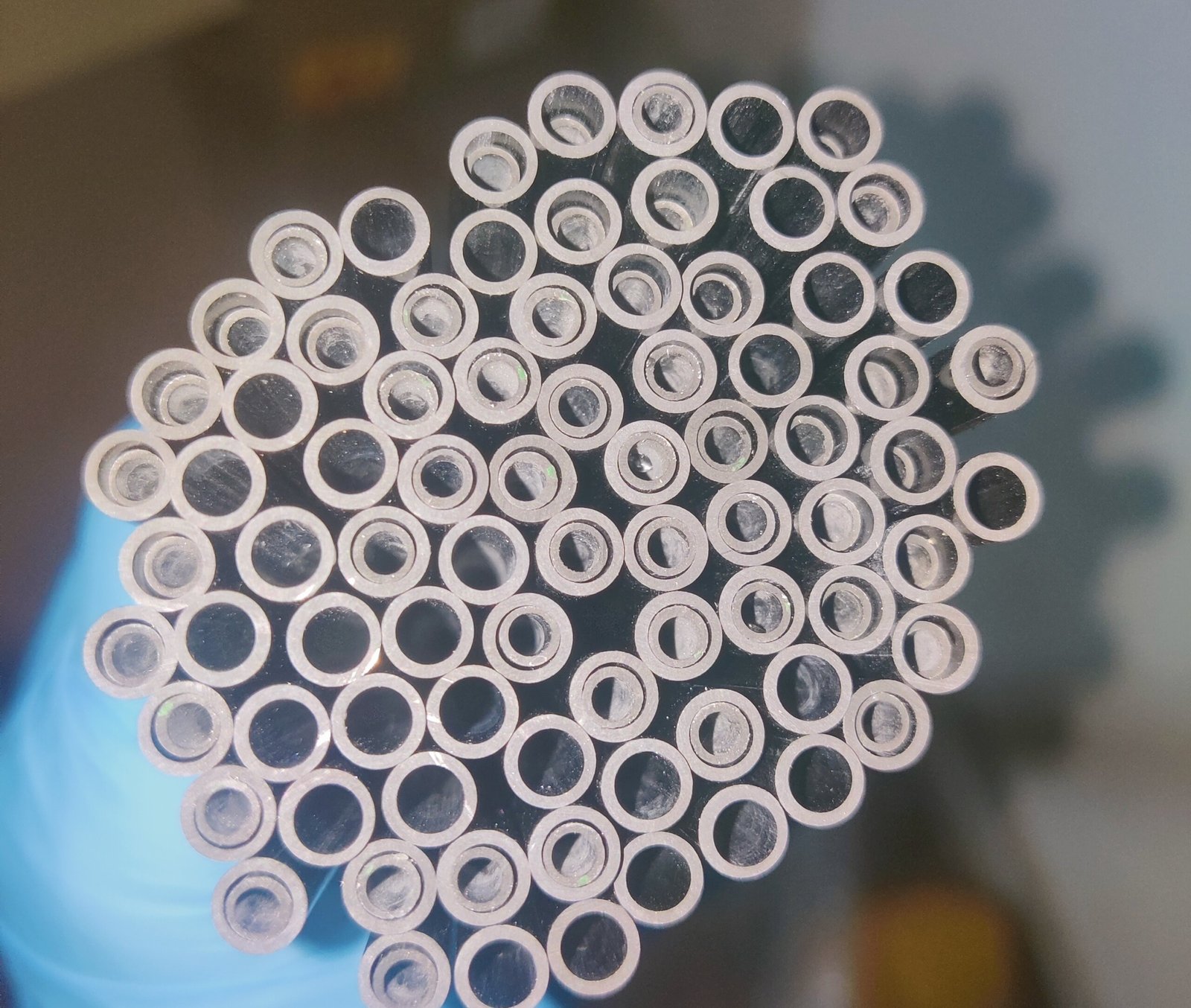
Una guía práctica para verificar el diámetro exterior, el diámetro interior, el espesor de pared y la rectitud, desde la aprobación de muestras hasta la inspección por lotes.
La precisión dimensional afecta la facilidad con que un tubo encaja en un ensamblaje de UAV y la consistencia con que se pueden producir las piezas. Al adquirir tubos de fibra de carbono para UAVs, los compradores deben acordar las dimensiones críticas y los métodos de inspección antes de que comience la producción. Unos requisitos claros ayudan a reducir problemas de ensamblaje, retrasos y disputas sobre la calidad aceptable.
¿Qué dimensiones deben verificar los compradores?
Las principales dimensiones que deben especificarse e inspeccionarse son:
- Diámetro exterior (OD): afecta cómo encaja el tubo en abrazaderas, uniones y conectores.
- Diámetro interior (ID): es importante cuando los componentes deben encajar dentro del tubo.
- Espesor de pared: puede afectar el peso, el ajuste y el rendimiento estructural.
- Longitud: debe coincidir con el diseño y con cualquier margen de corte requerido.
- Rectitud: es importante cuando los tubos se instalan en un tramo largo o se alinean con otros componentes.
No todas las dimensiones tienen la misma importancia. Identifique qué mediciones afectan el ensamblaje o la función y, luego, márquelas como críticas en el plano. Esto brinda al proveedor y al equipo de inspección de recepción una base clara para la aceptación.
Artículos relacionados:
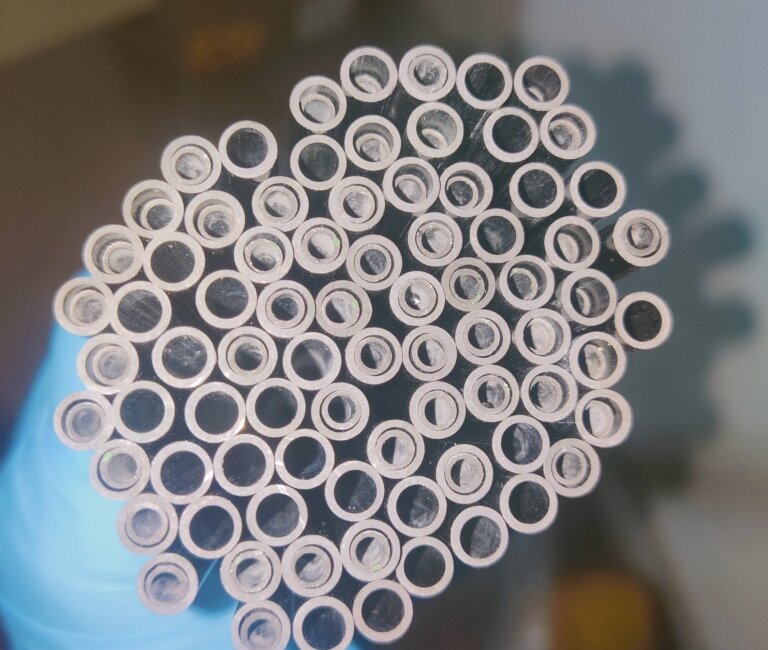
Cómo verificar las dimensiones de los tubos de fibra de carbono para UAV
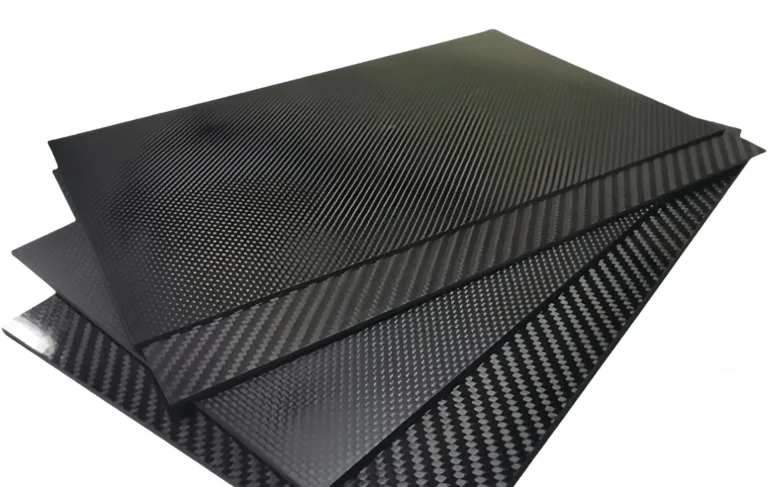
CFRP Sheets for Outdoor Equipment: UV, Moisture and Long-Term Weathering
Carbon Fiber Plates for Frames: Prevent Warping After CNC
Carbon Fiber Tubes for Glider Tail Boom Alignment & Trim Control
Carbon Fiber Tube for UAV Antenna Placement & GNSS Design
Multi-Size Carbon Fiber Tube Order for a UAV Glider Build
¿Cómo se miden las dimensiones de los tubos?
Un proveedor puede utilizar calibradores calibrados, micrómetros, galgas u otro equipo de inspección adecuado. El método debe corresponder a la tolerancia que se está verificando y a la forma del tubo.
Para el OD y el ID, tome mediciones en varios puntos a lo largo del tubo. Si el tubo puede ser ovalado, mida en más de una dirección en cada punto. Verifique también el espesor de pared en múltiples ubicaciones, especialmente cuando la uniformidad sea importante.
Straightness can be checked by placing the tube on a flat reference surface or using a suitable fixture and measuring the deviation along its length. Buyers should agree with the supplier on the inspection method, measurement locations, and equipment before production.
How Should Buyers Specify Tolerances?
Provide a drawing or specification that states the required dimensions, units, tolerance limits, and measurement locations. Avoid relying on descriptions such as “standard tolerance” unless the applicable standard and its requirements are clearly identified.
When requesting a quote for tubos de fibra de carbono para UAVs, include the tube length, OD, ID or wall thickness, end conditions, and any machining requirements. Also identify dimensions that are critical for assembly. If the tube needs drilled holes, cut ends, or bonded fittings, state whether tolerances apply before or after these operations.
If the design allows a range, specify it. Overly tight tolerances may increase inspection effort, production time, and cost, so define limits based on actual fit and performance requirements.
How Can Buyers Confirm Sample and Batch Consistency?
Before placing a larger order, review a production-representative sample against the approved drawing. Record the measured values and keep the accepted sample or inspection report as a reference.
For ongoing orders, agree on a batch inspection plan. It should state how many tubes are measured, which dimensions are checked, and what happens if a result falls outside the agreed limits. Ask for traceability linking the inspection results to the relevant production batch.
These steps are particularly useful when ordering tubos de fibra de carbono para UAVs in different lengths or configurations. A consistent process helps buyers identify variation early and communicate corrective actions with the supplier.
What Inspection Documents Should Suppliers Provide?
Depending on the order, buyers may request a dimensional inspection report, material or batch identification, and records for any secondary machining. The report should list the specification, measured results, inspection date, and batch reference.
Documents support verification, but they do not replace clear requirements or appropriate incoming checks. Buyers should confirm that the report covers the critical dimensions agreed for their order.
UAV Carbon Fiber Tubes
Find answers about carbon fiber tube dimensions, OD and ID measurement, production tolerances, inspection reports, and quality control for UAV applications.
01
Which dimensions should buyers check on UAV carbon fiber tubes?
Typically, OD, ID, wall thickness, length, and straightness. Prioritize the dimensions that affect assembly and function.
02
How should the inner and outer diameters be measured?
Use suitable calibrated equipment and take measurements at multiple points. Measure in more than one direction where ovality may affect fit.
03
What can cause dimensional variation between production batches?
Variation can come from differences in production setup, tooling, curing, cutting, or secondary machining. Batch inspection and traceability help detect it.
04
What tolerance information should buyers include in a quote request?
Provide a drawing with units, tolerance limits, critical dimensions, measurement locations, and any requirements for cutting or machining.
05
What should a supplier’s inspection report include?
It should identify the part and production batch, list the dimensions checked and their measured values, and reference the applicable specification.