
 Arabic
 English
 German
 Japanese
 Czech
 Spanish
 French
 Italian
 Danish
 Polish
 Portuguese
 Norwegian
 Dutch
جدول المحتويات
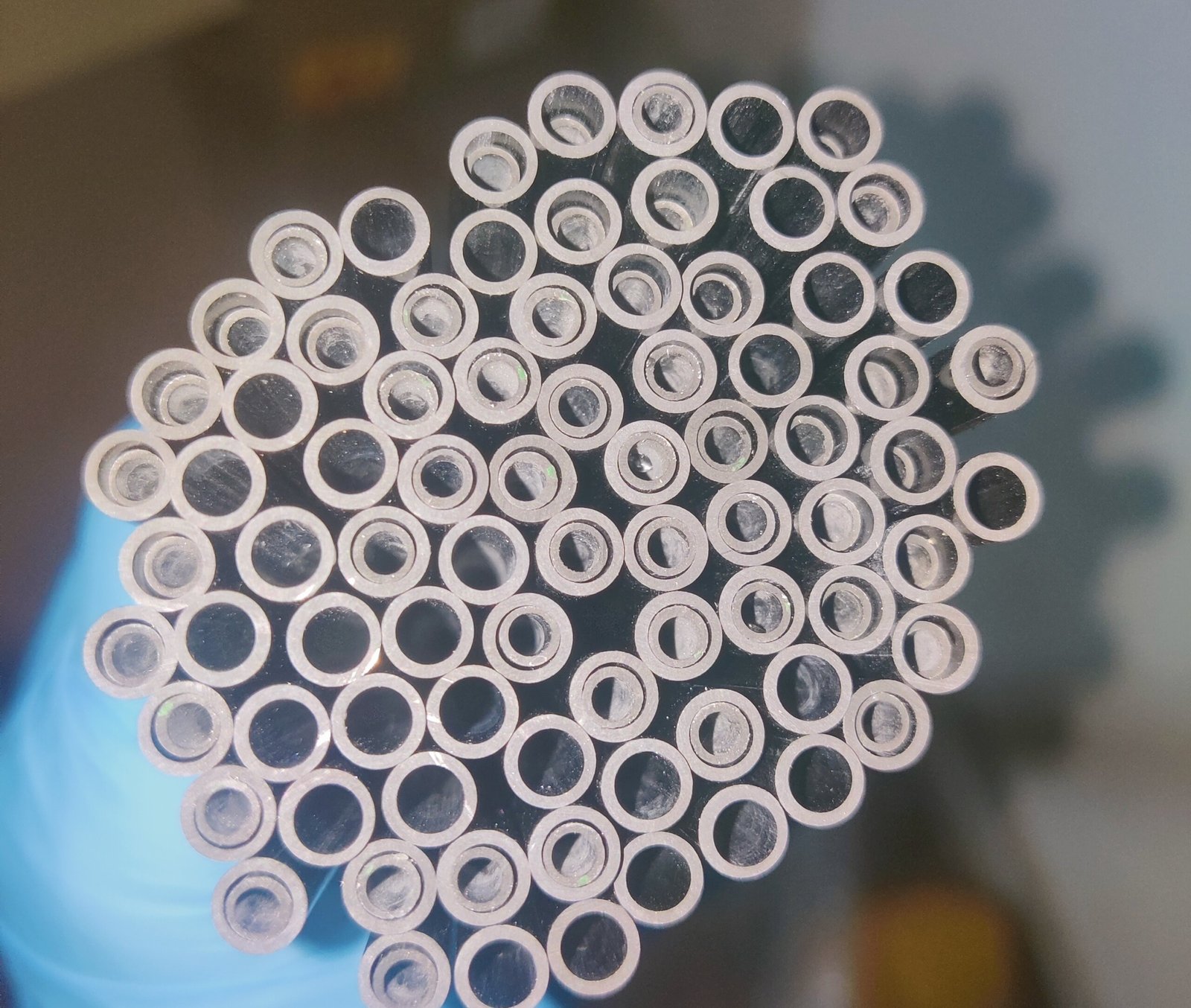
دليل عملي لفحص القطر الخارجي والقطر الداخلي وسماكة الجدار والاستقامة—من اعتماد العينة إلى فحص الدفعة.
تؤثر الدقة البعدية في مدى سلاسة تركيب الأنبوب ضمن تجميعة الطائرة بدون طيار وفي اتساق إنتاج الأجزاء. عند توريد أنابيب ألياف الكربون للطائرات بدون طيار, ، ينبغي للمشترين الاتفاق على الأبعاد الحرجة وطرق الفحص قبل بدء الإنتاج. تساعد المتطلبات الواضحة في تقليل مشكلات التجميع والتأخيرات والنزاعات حول الجودة المقبولة.
ما الأبعاد التي ينبغي للمشترين فحصها؟
الأبعاد الرئيسية التي ينبغي تحديدها وفحصها هي:
- القطر الخارجي (OD): يؤثر في كيفية تركيب الأنبوب داخل المشابك والوصلات والموصلات.
- القطر الداخلي (ID): مهم عندما يلزم تركيب مكونات داخل الأنبوب.
- سماكة الجدار: يمكن أن تؤثر في الوزن والملاءمة والأداء الهيكلي.
- الطول: يجب أن تتوافق مع التصميم وأي بدل قطع مطلوب.
- الاستقامة: تهم عندما تُركب الأنابيب على امتداد طويل أو تُحاذى مع مكونات أخرى.
ليس لكل بُعد نفس الأهمية. حدد القياسات التي تؤثر في التجميع أو الوظيفة، ثم اعتمدها كقياسات حرجة على الرسم. يمنح ذلك المورد وفريق الفحص الوارد أساسًا واضحًا للقبول.
مقالات ذات صلة:
كيفية التحقق من أبعاد أنابيب ألياف الكربون للطائرات بدون طيار
CFRP Sheets for Outdoor Equipment: UV, Moisture and Long-Term Weathering
Carbon Fiber Plates for Frames: Prevent Warping After CNC
Carbon Fiber Tubes for Glider Tail Boom Alignment & Trim Control
Carbon Fiber Tube for UAV Antenna Placement & GNSS Design
Multi-Size Carbon Fiber Tube Order for a UAV Glider Build
كيف تُقاس أبعاد الأنبوب؟
قد يستخدم المورد فرجارًا معايرًا أو ميكرومترات أو مقاييس أو غيرها من معدات الفحص المناسبة. ينبغي أن تتوافق الطريقة مع التفاوت الذي يتم فحصه وشكل الأنبوب.
بالنسبة للقطر الخارجي والقطر الداخلي، خذ قياسات عند عدة نقاط على طول الأنبوب. إذا كان الأنبوب قد يكون بيضاويًا، فقِس عبر أكثر من اتجاه عند كل نقطة. افحص سماكة الجدار في مواقع متعددة أيضًا، خصوصًا عندما تكون الانتظام مهمًا.
Straightness can be checked by placing the tube on a flat reference surface or using a suitable fixture and measuring the deviation along its length. Buyers should agree with the supplier on the inspection method, measurement locations, and equipment before production.
How Should Buyers Specify Tolerances?
Provide a drawing or specification that states the required dimensions, units, tolerance limits, and measurement locations. Avoid relying on descriptions such as “standard tolerance” unless the applicable standard and its requirements are clearly identified.
When requesting a quote for أنابيب ألياف الكربون للطائرات بدون طيار, include the tube length, OD, ID or wall thickness, end conditions, and any machining requirements. Also identify dimensions that are critical for assembly. If the tube needs drilled holes, cut ends, or bonded fittings, state whether tolerances apply before or after these operations.
If the design allows a range, specify it. Overly tight tolerances may increase inspection effort, production time, and cost, so define limits based on actual fit and performance requirements.
How Can Buyers Confirm Sample and Batch Consistency?
Before placing a larger order, review a production-representative sample against the approved drawing. Record the measured values and keep the accepted sample or inspection report as a reference.
For ongoing orders, agree on a batch inspection plan. It should state how many tubes are measured, which dimensions are checked, and what happens if a result falls outside the agreed limits. Ask for traceability linking the inspection results to the relevant production batch.
These steps are particularly useful when ordering أنابيب ألياف الكربون للطائرات بدون طيار in different lengths or configurations. A consistent process helps buyers identify variation early and communicate corrective actions with the supplier.
What Inspection Documents Should Suppliers Provide?
Depending on the order, buyers may request a dimensional inspection report, material or batch identification, and records for any secondary machining. The report should list the specification, measured results, inspection date, and batch reference.
Documents support verification, but they do not replace clear requirements or appropriate incoming checks. Buyers should confirm that the report covers the critical dimensions agreed for their order.
UAV Carbon Fiber Tubes
Find answers about carbon fiber tube dimensions, OD and ID measurement, production tolerances, inspection reports, and quality control for UAV applications.
01
Which dimensions should buyers check on UAV carbon fiber tubes?
Typically, OD, ID, wall thickness, length, and straightness. Prioritize the dimensions that affect assembly and function.
02
How should the inner and outer diameters be measured?
Use suitable calibrated equipment and take measurements at multiple points. Measure in more than one direction where ovality may affect fit.
03
What can cause dimensional variation between production batches?
Variation can come from differences in production setup, tooling, curing, cutting, or secondary machining. Batch inspection and traceability help detect it.
04
What tolerance information should buyers include in a quote request?
Provide a drawing with units, tolerance limits, critical dimensions, measurement locations, and any requirements for cutting or machining.
05
What should a supplier’s inspection report include?
It should identify the part and production batch, list the dimensions checked and their measured values, and reference the applicable specification.