
 Polish
 English
 German
 Japanese
 Arabic
 Czech
 Spanish
 French
 Italian
 Danish
 Portuguese
 Norwegian
 Dutch
Spis treści
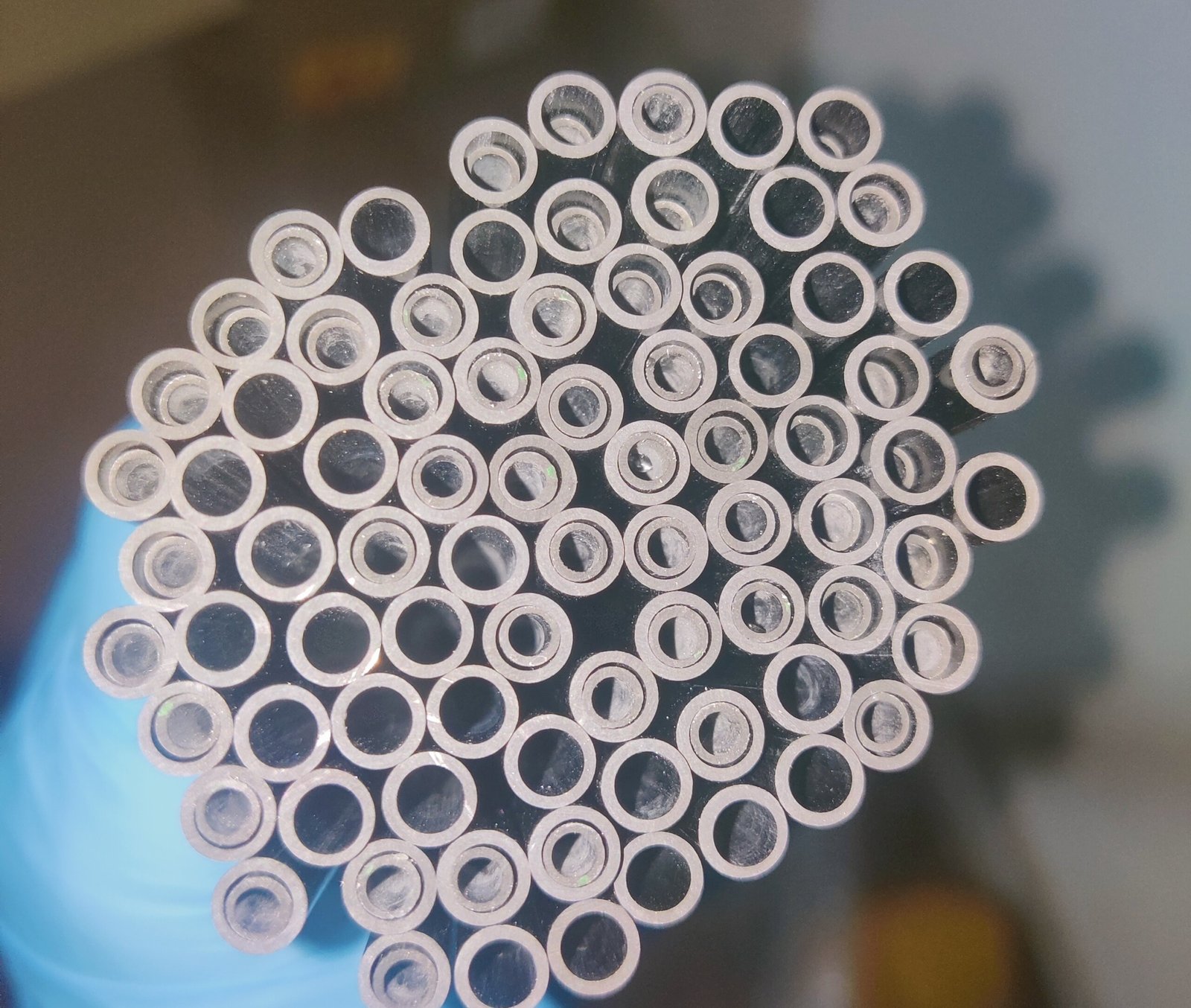
Praktyczny przewodnik po sprawdzaniu średnicy zewnętrznej, średnicy wewnętrznej, grubości ścianki i prostoliniowości — od zatwierdzenia próbki po kontrolę partii.
Dokładność wymiarowa wpływa na to, jak gładko rura pasuje do zespołu UAV i jak konsekwentnie można produkować części. Przy zakupie rur z włókna węglowego do UAV, kupujący powinni uzgodnić krytyczne wymiary i metody kontroli przed rozpoczęciem produkcji. Jasne wymagania pomagają ograniczyć problemy montażowe, opóźnienia i spory dotyczące akceptowalnej jakości.
Które wymiary powinni sprawdzać kupujący?
Główne wymiary, które należy określić i skontrolować, to:
- Średnica zewnętrzna (OD): wpływa na to, jak rura pasuje do zacisków, złączy i łączników.
- Średnica wewnętrzna (ID): ważna, gdy komponenty muszą mieścić się wewnątrz rury.
- Grubość ścianki: może wpływać na masę, dopasowanie i właściwości konstrukcyjne.
- Długość: powinna odpowiadać projektowi i wszelkiemu wymaganemu naddatkowi na cięcie.
- Prostoliniowość: ma znaczenie, gdy rury są instalowane na długiej rozpiętości lub wyrównywane z innymi komponentami.
Nie każdy wymiar ma takie samo znaczenie. Wskaż, które pomiary wpływają na montaż lub funkcję, a następnie oznacz je jako krytyczne na rysunku. Daje to dostawcy i zespołowi kontroli przychodzącej jasną podstawę do odbioru.
Powiązane artykuły:
Jak weryfikować wymiary rur z włókna węglowego do UAV
Arkusze CFRP do sprzętu outdoorowego: odporność na promieniowanie UV, wilgoć i długotrwałe warunki atmosferyczne
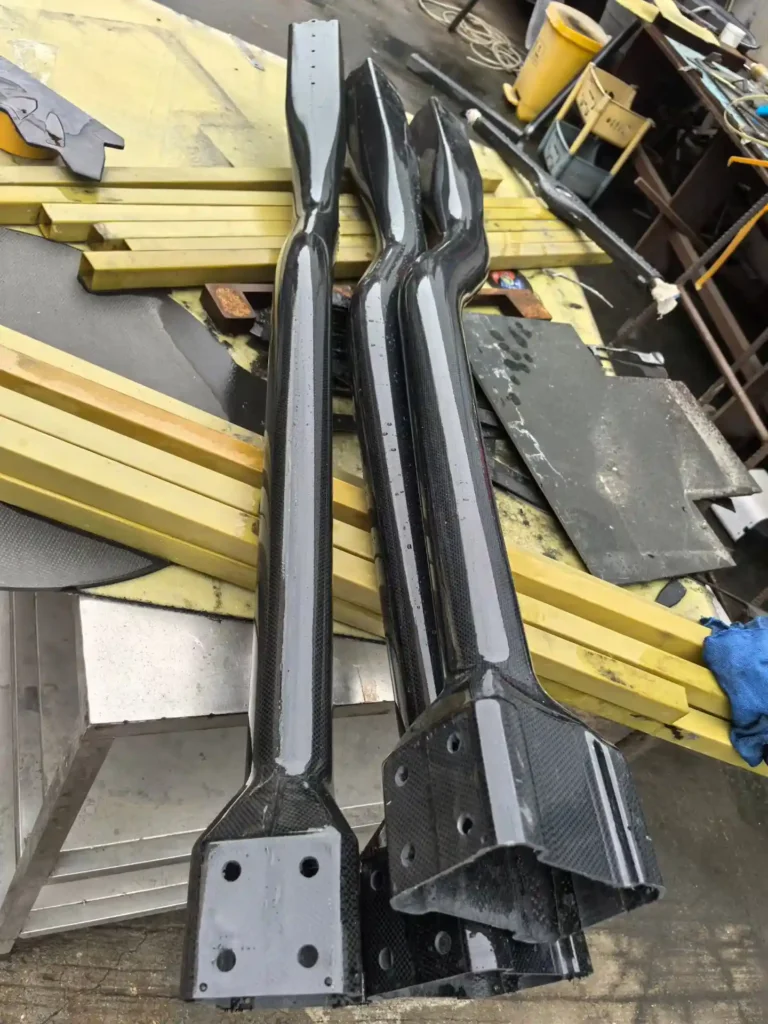
Płyty z włókna węglowego do ram: zapobieganie deformacji po CNC
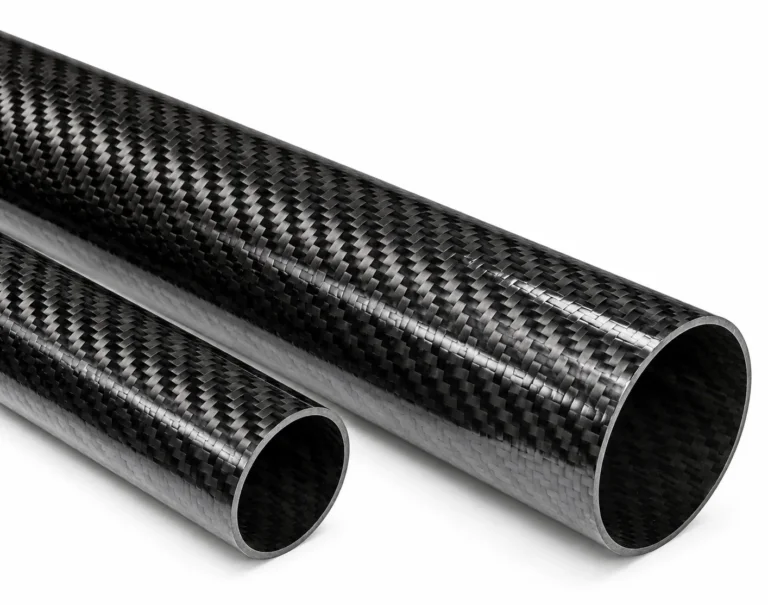
Rury z włókna węglowego do wyrównania belki ogonowej szybowca i kontroli trymowania
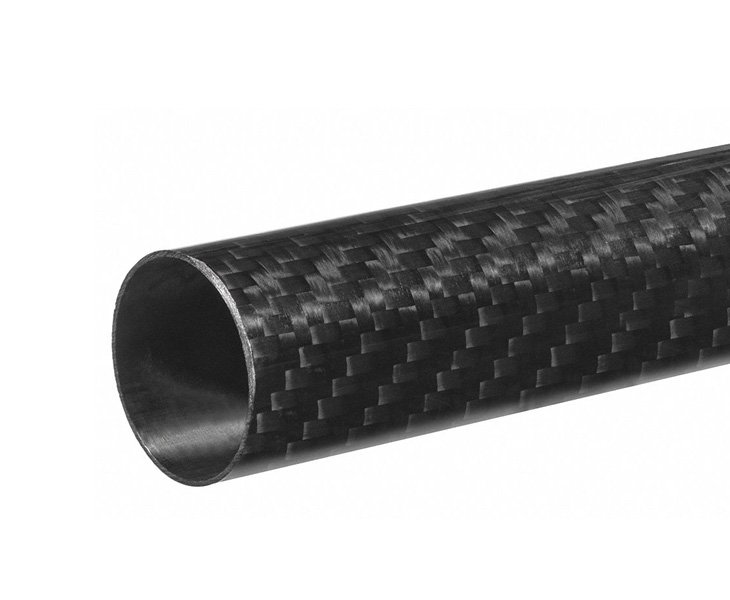
Rura z włókna węglowego do rozmieszczenia anteny UAV i projektowania GNSS
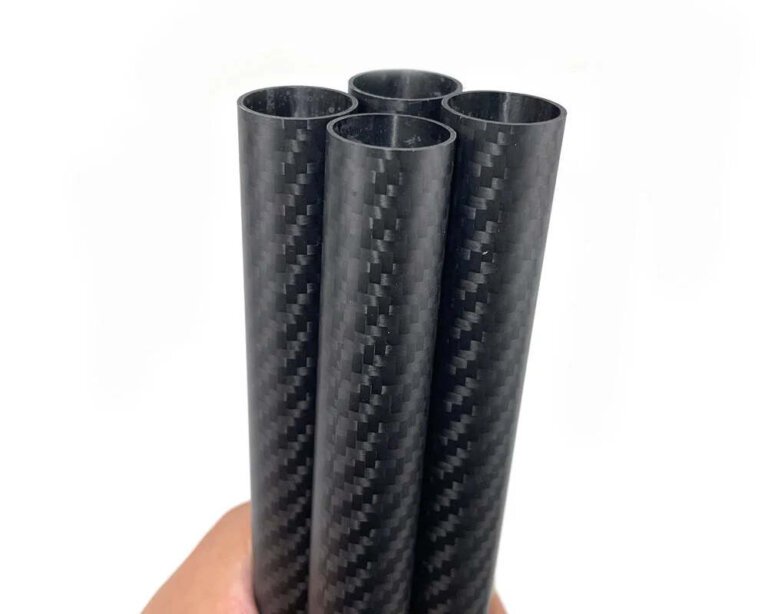
Zamówienie rur z włókna węglowego w wielu rozmiarach do budowy szybowca UAV
Jak mierzy się wymiary rur?
Dostawca może używać skalibrowanych suwmiarek, mikrometrów, sprawdzianów lub innego odpowiedniego sprzętu kontrolno-pomiarowego. Metoda powinna odpowiadać sprawdzanej tolerancji i kształtowi rury.
W przypadku OD i ID wykonaj pomiary w kilku punktach wzdłuż rury. Jeśli rura może być owalna, mierz w więcej niż jednym kierunku w każdym punkcie. Sprawdź również grubość ścianki w wielu miejscach, zwłaszcza gdy równomierność jest istotna.
Straightness can be checked by placing the tube on a flat reference surface or using a suitable fixture and measuring the deviation along its length. Buyers should agree with the supplier on the inspection method, measurement locations, and equipment before production.
How Should Buyers Specify Tolerances?
Provide a drawing or specification that states the required dimensions, units, tolerance limits, and measurement locations. Avoid relying on descriptions such as “standard tolerance” unless the applicable standard and its requirements are clearly identified.
When requesting a quote for rur z włókna węglowego do UAV, include the tube length, OD, ID or wall thickness, end conditions, and any machining requirements. Also identify dimensions that are critical for assembly. If the tube needs drilled holes, cut ends, or bonded fittings, state whether tolerances apply before or after these operations.
If the design allows a range, specify it. Overly tight tolerances may increase inspection effort, production time, and cost, so define limits based on actual fit and performance requirements.
How Can Buyers Confirm Sample and Batch Consistency?
Before placing a larger order, review a production-representative sample against the approved drawing. Record the measured values and keep the accepted sample or inspection report as a reference.
For ongoing orders, agree on a batch inspection plan. It should state how many tubes are measured, which dimensions are checked, and what happens if a result falls outside the agreed limits. Ask for traceability linking the inspection results to the relevant production batch.
These steps are particularly useful when ordering rur z włókna węglowego do UAV in different lengths or configurations. A consistent process helps buyers identify variation early and communicate corrective actions with the supplier.
What Inspection Documents Should Suppliers Provide?
Depending on the order, buyers may request a dimensional inspection report, material or batch identification, and records for any secondary machining. The report should list the specification, measured results, inspection date, and batch reference.
Documents support verification, but they do not replace clear requirements or appropriate incoming checks. Buyers should confirm that the report covers the critical dimensions agreed for their order.
UAV Carbon Fiber Tubes
Find answers about carbon fiber tube dimensions, OD and ID measurement, production tolerances, inspection reports, and quality control for UAV applications.
01
Which dimensions should buyers check on UAV carbon fiber tubes?
Typically, OD, ID, wall thickness, length, and straightness. Prioritize the dimensions that affect assembly and function.
02
How should the inner and outer diameters be measured?
Use suitable calibrated equipment and take measurements at multiple points. Measure in more than one direction where ovality may affect fit.
03
What can cause dimensional variation between production batches?
Variation can come from differences in production setup, tooling, curing, cutting, or secondary machining. Batch inspection and traceability help detect it.
04
What tolerance information should buyers include in a quote request?
Provide a drawing with units, tolerance limits, critical dimensions, measurement locations, and any requirements for cutting or machining.
05
What should a supplier’s inspection report include?
It should identify the part and production batch, list the dimensions checked and their measured values, and reference the applicable specification.