
 Italian
 English
 German
 Japanese
 Arabic
 Czech
 Spanish
 French
 Danish
 Polish
 Portuguese
 Norwegian
 Dutch
Indice dei contenuti
Gli acquirenti spesso chiedono una Scheda Tecnica di Tubo in fibra di carbonio prima che qualsiasi ordine proceda. Tale richiesta raramente nasce dalla sola curiosità. Riflette invece controllo del rischio, esigenze prestazionali e reale pressione progettuale. Un tubo può sembrare identico tra fornitori, eppure la struttura interna può variare notevolmente. Pertanto gli ingegneri si affidano ai numeri, non alle promesse.
Inoltre, molte industrie affrontano rigidi limiti di carico, fatica o sicurezza. Una scelta errata del materiale può rompere il telaio di un drone in volo. Potrebbe anche compromettere un braccio robotico dopo settimane di funzionamento. Per questo motivo, una chiara Scheda Tecnica di Tubo in fibra di carbonio diventa un riferimento per le decisioni.
Tuttavia, la confusione persiste. Alcuni clienti ricevono schede tecniche vaghe. Altri ottengono valori privi di contesto di prova. Ciò genera dubbi. Pertanto i clienti insistono maggiormente su chiarezza, ripetibilità e risultati tracciabili.
Inoltre, i team di approvvigionamento necessitano di documentazione prima dell'approvazione. Senza dati adeguati, la revisione interna spesso si blocca. Ciò rallenta i progetti, aumenta i costi e frustra gli ingegneri. Di conseguenza, i file TDS passano da “un plus” a “indispensabile”.
Riferimenti:
1. La fibra di carbonio ideale per i droni: Materiali e opzioni delle lastre
2. Come tagliare i tubi in fibra di carbonio?
3. Comprendere le prove di durezza e compressione dei tubi in fibra di carbonio
4. Canna in fibra di carbonio o in grafite: Quale si adatta meglio alle vostre esigenze
5. 8 errori degli ingegneri nella scelta dei tubi in fibra di carbonio e come evitarli
Che cos'è una Scheda Tecnica di un Tubo in Fibra di Carbonio?
A Scheda Tecnica di Tubo in fibra di carbonio funziona come un riepilogo strutturato delle prestazioni. Elenca proprietà misurabili in condizioni definite. Questi valori aiutano gli ingegneri a confrontare rapidamente i materiali.
In genere, una TDS include:
- Resistenza a trazione e modulo
- Dati di resistenza a compressione
- Dettagli sull'orientamento delle fibre
- Descrizione del sistema resinico
- Densità e peso al metro
- Tolleranze dimensionali
- Opzioni di finitura superficiale
Inoltre, una buona scheda indica gli standard di prova. Ad esempio, spesso compaiono metodi ASTM o ISO. Tale dettaglio è importante perché i soli numeri significano poco senza contesto.
Al contrario, un documento debole potrebbe mostrare solo dichiarazioni generiche sulla resistenza. Ciò genera confusione. Pertanto i clienti preferiscono una struttura chiara con prove tracciabili.
Perché i Clienti Richiedono una Scheda Tecnica di un Tubo in Fibra di Carbonio
First, customers want risk reduction. A tube failure may destroy expensive equipment. Therefore buyers verify load capacity before purchase.
Second, performance matching drives demand. Different projects require different stiffness or weight balance. A UAV arm needs high rigidity with low mass. Meanwhile a structural frame may demand higher compressive strength. Without a Technical Data Sheet of Tubo in fibra di carbonio, matching becomes guesswork.
Third, consistency matters across batches. Large buyers order hundreds or thousands of tubes. If one batch differs, assembly problems appear quickly. So TDS helps confirm stable production capability.
Additionally, certification requirements push demand higher. Aerospace, medical, and automotive sectors often require documented properties. No document means no approval.
Finally, communication becomes easier. Engineers from different regions can review same dataset. That reduces misunderstanding during design phase.
Can Most Manufacturers Provide Technical Data Sheet of Carbon Fiber Tube?
Surprisingly, many suppliers cannot provide a reliable Scheda Tecnica di Tubo in fibra di carbonio. They may offer generic values copied from material suppliers. However those numbers often reflect raw fiber properties, not finished tube performance.
Moreover small factories sometimes lack testing equipment. Without compression or tensile machines, data remains estimated. That creates risk for serious buyers.
On the other hand, advanced manufacturers invest in testing labs. They perform real compression, bending, and fatigue tests. As a result, their TDS reflects actual product behavior.
However even when a sheet exists, format may vary. Some include full datasets. Others provide only partial numbers. Therefore customers must evaluate depth and clarity.
Are Technical Data Sheet Data Reliable or Meaningful?
That question deserves a blunt answer. Not every Scheda Tecnica di Tubo in fibra di carbonio carries equal value.
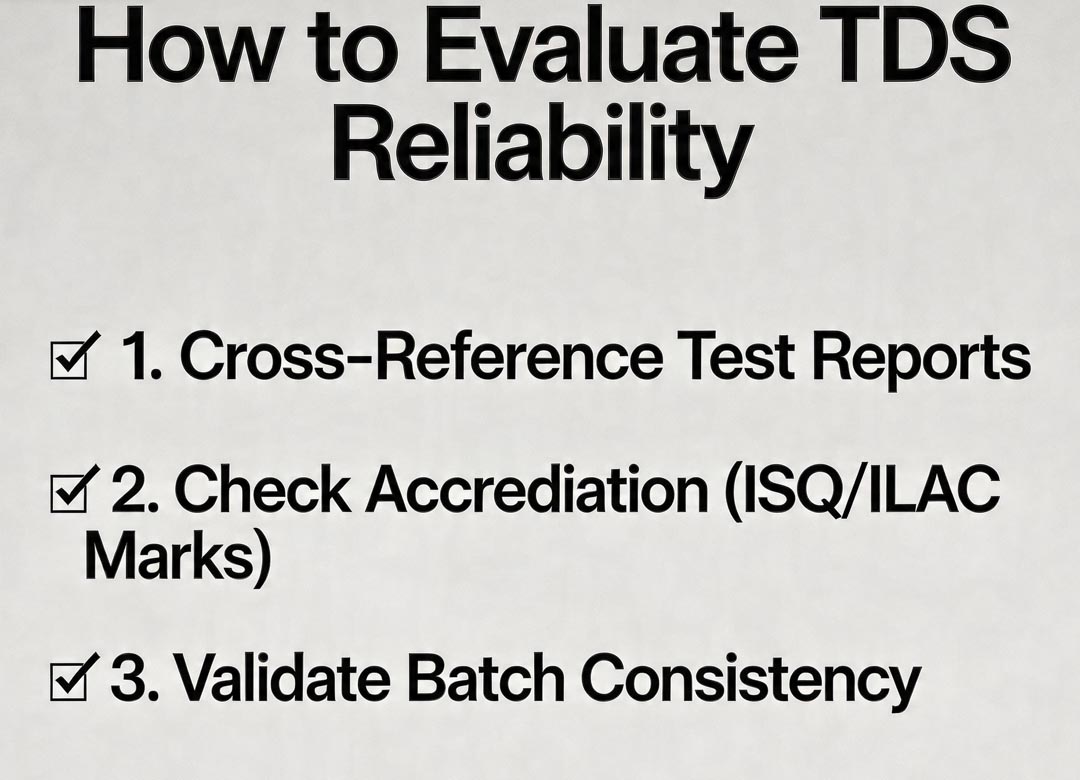
First, testing conditions affect results heavily. Fiber angle, resin content, curing cycle all influence strength. If those factors remain hidden, data loses meaning.
Second, sample preparation matters. A perfectly cured lab sample may differ from mass production output. Therefore customers should ask whether tests come from real production batches.
Third, standards play a critical role. ASTM D695 compression testing differs from other methods. Without clear standard reference, comparisons become flawed.
However reliable TDS documents share common traits:
- Clear test standards listed
- Sample dimensions specified
- Fiber orientation explained
- Batch consistency mentioned
Furthermore, repeatability adds credibility. If multiple batches show similar values, confidence rises.
Common Problems Customers Face Without a TDS
Without a proper Technical Data Sheet of Carbon Fiber Tube, several issues emerge quickly.
First, engineers struggle during design phase. They cannot calculate load limits accurately. That leads to overdesign or failure risk.
Second, procurement teams face supplier comparison problems. Without numbers, price becomes main factor. That often leads to poor quality selection.
Third, production issues appear later. Tubes may crack during assembly. Or bonding strength may fail under stress.
Additionally, project delays increase. Engineers must request additional testing. That wastes both time and budget.
How to Evaluate a Good Technical Data Sheet of Carbon Fiber Tube
A strong Technical Data Sheet of Carbon Fiber Tube should answer practical questions fast.
Look for these elements:
Clear Mechanical Data
Strength values should include tensile, compressive, and flexural numbers. Each value must link with a test method.
Fiber Structure Information
Angle orientation matters greatly. A 0° dominant tube behaves very differently from ±45° winding.
Manufacturing Process Mention
Roll wrapping, pultrusion, or filament winding all produce different properties. Process disclosure helps prediction accuracy.
Tolerance and Dimensions
Real production includes variation. A reliable TDS states acceptable range clearly.
Environmental Performance
Temperature resistance, moisture absorption, and UV behavior matter for outdoor use.
Technical Data Sheet of Carbon Fiber Tube and Manufacturing Process Link
Different processes produce very different data sheets. Therefore understanding process helps interpret numbers.
Roll wrapped tubes often show balanced strength. They perform well in bending and torsion.
Pultruded tubes usually show high axial strength. However lateral strength may drop.
Filament wound tubes excel in pressure resistance. Their fiber angles follow load paths.
Thus, when reading a Technical Data Sheet of Carbon Fiber Tube, always connect numbers with process type. Otherwise misjudgment may occur.
How We Solve TDS Concerns for Customers
At our factory, we treat Technical Data Sheet of Carbon Fiber Tube as a core deliverable. Every product line includes verified data.
First, we test real production samples. That reflects actual performance, not theoretical values.
Next, we follow recognized standards such as ASTM methods. That allows fair comparison across suppliers.
Moreover, we maintain batch tracking. Each production lot links with quality records. That supports repeatability.
In addition, we update TDS documents when materials or processes change. That keeps data relevant.
Contact Us for Technical Data Sheet of Carbon Fiber Tube
If you need a reliable Scheda Tecnica di Tubo in fibra di carbonio, our team can help directly. We provide detailed reports for tubes, rods, and composite panels.
Whether your project involves UAV frames, industrial automation, or structural parts, we can match data with application needs. Send your requirements today, and we will respond with tested data and production options.
Conclusion: Why TDS Drives Smart Purchasing Decisions
A Scheda Tecnica di Tubo in fibra di carbonio acts as a bridge between promise and proof. Without it, decisions rely on guesswork. With it, engineers gain control.
Therefore customers insist on clear data. They want reliability, repeatability, and transparency. In competitive markets, that demand will only grow stronger.