
 Japanese
 English
 German
 Arabic
 Czech
 Spanish
 French
 Italian
 Danish
 Polish
 Portuguese
 Norwegian
 Dutch
目次
選択 炭素繊維シートメーカー 一見すると簡単に思えます。しかし実際のプロジェクトが長期間簡単なままであることはまれです。購入者は品質のばらつき、紛らわしい仕様、変動する納期約束にしばしば直面します。一方で、マーケティング上の主張はサプライヤー間で似通って見えます。そこにリスクが生じます。誤った選択は、弱いパネル、組み立て不良、出荷遅延につながる可能性があります。したがって賢明な購入者は約束ではなく証拠に注目します。彼らは早い段階で厳しい質問をします。スローガンではなくデータを比較します。.
さらに、経験豊富な購入者は一つの重要な真実を理解しています。. 炭素繊維シート 性能、コスト、信頼性は大きく異なります。樹脂含有率や硬化方法のわずかな違いでも、剛性、強度、寿命を変える可能性があります。その結果、サプライヤーの選択が最終製品の性能を直接左右します。.
では、賢明な購入者はどうやって高くつく過ちを避けるのでしょうか。彼らは評価を明確なチェックポイントに分けます。各チェックポイントは実際のリスクを対象とします。各回答はメーカーの実際の能力を明らかにします。以下に、購入者主導の実用的なフレームワークを示します。.
炭素繊維シートメーカー:材料特性は実在し、検証可能か?
まず第一に、データには重みがなければなりません。立派なパンフレットは証拠がなければほとんど意味がありません。賢明な購入者は常に技術データシートを請求します。しかしそれだけにとどまりません。彼らはデータがどのように生成されたかを確認します。.
たとえば、引張強度の数値はASTMやISOなどの認知された規格と一致しているべきです。そうでなければ、値は社内推測に由来する可能性があります。それは不確実性を生みます。.
さらに、バッチ試験は非常に重要です。1つの試験サンプルは全生産を代表しません。そのため購入者はしばしば最近のバッチ報告書を求めます。これらの報告書は時間経過に伴う一貫性を示します。.
さらに重要なのは、繊維体積率が真実を物語るということです。高い繊維比率は通常、より優れた剛性を意味します。しかし一部のサプライヤーは繊維含有量を黙って下げています。それはコストを削減しますが、パネルを弱めます。.
したがって購入者は次の直接的な質問をすべきです:
- 値は実際のバッチ試験に基づいていますか?
- どの試験規格が使用されましたか?
- 最近の検査報告書を提供できますか?
明確な回答がなければ、リスクは急速に高まります。.
炭素繊維シートの製造プロセス:性能の上限を読み解く
次はプロセスです。製造方法が性能の上限を設定します。どんなマーケティング表現も不十分な加工を克服できません。.
熱と圧力の下でのプリプレグ圧縮は、しばしば最も強い結果をもたらします。繊維の配向がより良くなります。樹脂分布は制御されたままです。一方で、ボイド含有率は低く保たれます。.
対照的に、ハンドレイアップは空気ポケットを生じさせる可能性があります。それは強度を低下させます。また厚さの不均一も生み出します。それでも一部のサプライヤーはそれを同等の代替手段として宣伝しています。それが真実であることはめったにありません。.
したがって購入者はプロセスを明確に特定しなければなりません。硬化温度、圧力サイクル、設備の種類について尋ねてください。オートクレーブ硬化は通常、より高い制御性を示します。.
Furthermore process repeatability matters. A good method without control still fails. So buyers often request process documentation. That includes curing curves and quality checks.
In short process defines performance ceiling. Choose wisely.
Dimensional Accuracy and Tolerance Control in Carbon Fiber Sheets
After performance comes fit. Even strongest sheet fails if dimensions drift. Assembly issues waste time and money quickly.
Buyers therefore inspect tolerance capability closely. Thickness variation must stay tight. Flatness must remain stable. Warping can destroy bonding surfaces.
For instance a 3mm sheet that ranges from 2.6 to 3.4 mm causes serious alignment issues. That leads to rework or scrap.
Moreover CNC machining capability becomes critical. Precision cutting drilling and edge finishing improve usability. Without it buyers must handle secondary processing themselves.
So smart buyers confirm:
- Thickness tolerance range
- Flatness specification
- CNC service availability
Accurate dimensions save more cost than cheap pricing ever could.
Surface Quality Standards for Carbon Fiber Sheet Manufacturer Selection
Surface quality often decides product perception. Especially for visible applications appearance matters greatly.
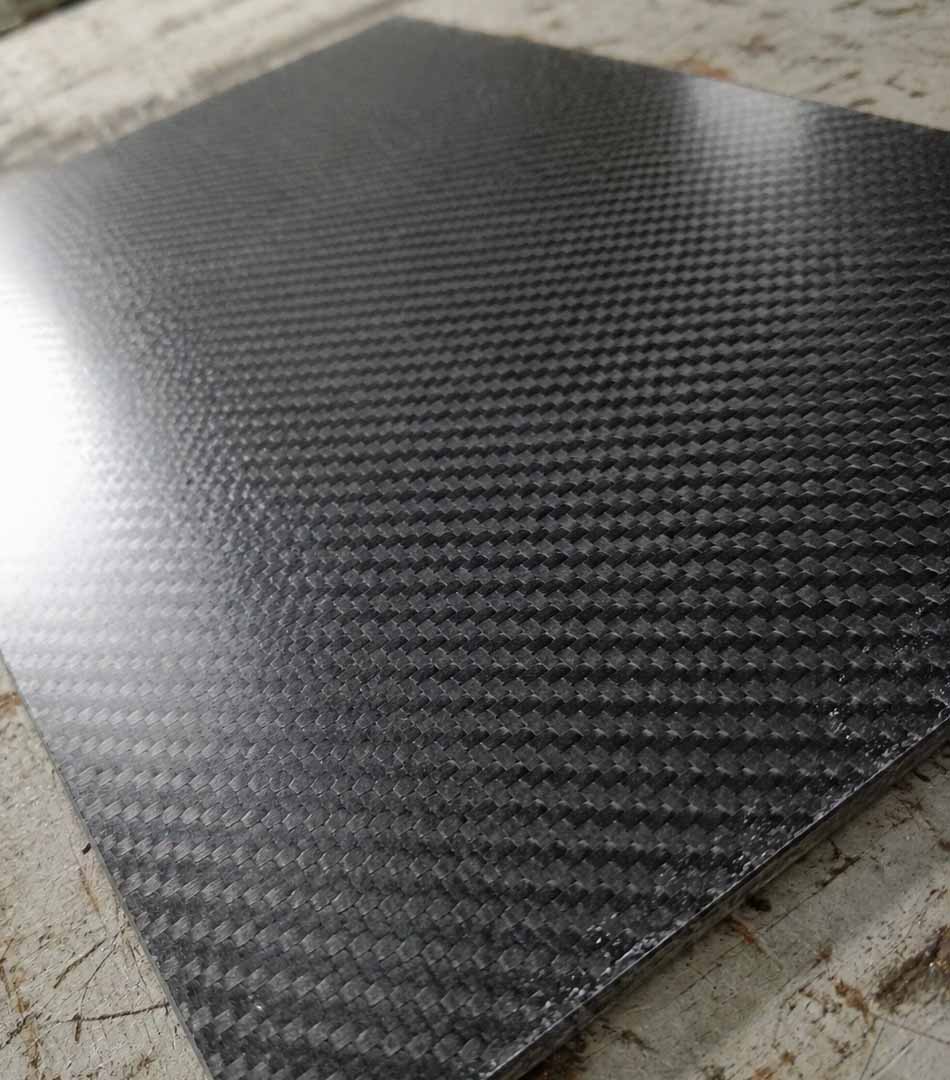
Buyers usually inspect weave alignment first. Consistent 3K twill or plain weave signals good control. Misaligned patterns suggest rushed production.
Then they check defects. Voids dry spots or resin-rich patches reduce both strength and visual appeal. Even small bubbles can spread under stress.
Additionally surface finish impacts secondary processes. Poor surfaces complicate coating bonding or lamination. That increases production cost later.
Therefore buyers often request sample panels. Physical inspection reveals more than photos ever will.
Consistency and Batch Stability Across Carbon Fiber Sheet Production
A perfect sample means little without stable production. Many suppliers perform well during sampling stage. Yet mass production tells a different story.
Consistency depends on process control raw material quality and inspection systems. Without these variation grows quickly.
Buyers therefore look for batch tracking systems. Each production lot should have traceable data. That includes material source curing conditions and inspection results.
Furthermore long-term customers provide strong signals. If a manufacturer retains repeat clients consistency likely exists.
So ask for:
- Batch inspection reports
- Quality control procedures
- Customer references
Consistency protects long-term projects.
Customization Capability from a Carbon Fiber Sheet Manufacturer
Standard sheets rarely meet complex project needs. Customization plays a huge role in B2B sourcing.
Buyers often need specific sizes thickness or fiber orientations. For example 0° 90° or ±45° layups change mechanical behavior.
Additionally large panels or ultra-thin sheets require advanced capability. Not every supplier can deliver those reliably.
Machining services also matter. Drilling chamfering and cutting save time downstream. Without these services buyers must find secondary vendors.
Thus smart buyers evaluate flexibility early. Custom capability often separates average suppliers from strong partners.
Lead Time and Supply Chain Reliability for Carbon Fiber Sheets
Even high-quality sheets lose value if delivery fails. Time matters just as much as performance.
Buyers therefore examine lead times carefully. Standard production cycles must remain predictable. Rush orders should also be possible when needed.
Inventory strategy matters as well. Suppliers with stock can respond faster. Those without may delay projects.
Export experience also plays a role. International shipping involves documentation customs and compliance. Inexperienced suppliers create delays.
Hence buyers ask:
- What are standard lead times
- Do you support urgent orders
- Do you handle export processes smoothly
Reliable delivery builds trust over time.
Pricing Structure: Logical and Transparent or Risky?
Price always influences decisions. However lowest price often hides hidden costs.
Smart buyers compare price against material grade process and quality level. For example T700 fiber costs more than T300. Prepreg processing costs more than hand layup.
If price seems unusually low something must give. That could mean reduced layers lower fiber quality or weak curing control.
Therefore buyers request detailed quotations. A clear breakdown reveals where cost comes from.
Transparency builds confidence. Vague pricing raises doubts.
Communication Efficiency with a Carbon Fiber Sheet Manufacturer
Finally communication shapes entire experience. Even strong manufacturers fail if communication breaks down.
Buyers watch response quality closely. Quick replies matter yet clarity matters more. Technical questions should receive precise answers.
Additionally proactive suggestions indicate expertise. A supplier who offers improvements adds value beyond production.
On the other hand generic replies like “yes we can do” signal weak understanding. That increases risk.
So evaluate communication early. It often predicts long-term cooperation quality.
Final Thoughts: Smart Buyers Focus on Control Not Promises
In conclusion 炭素繊維シート vary more than many expect. Material data process control and consistency all influence final results.
Smart buyers avoid guesswork. Instead they verify data inspect samples and question every detail. Each step reduces risk. Each answer builds confidence.
選択 炭素繊維シートメーカー therefore becomes a strategic decision rather than a simple purchase. Those who follow this approach gain stable quality predictable performance and smoother projects.