
 Dutch
Dutch  English
  German
  Japanese
  Arabic
  Czech
Czech  Spanish
  French
  Italian
  Danish
  Polish
  Portuguese
  Norwegian
Inhoudsopgave

Buyers often ask for a Technical Data Sheet of Koolstofvezelbuis before any order moves forward. That request rarely comes from curiosity alone. Instead it reflects risk control, performance demands, and real project pressure. A tube may look identical across suppliers, yet internal structure can vary wildly. Therefore engineers rely on numbers, not promises.
Moreover many industries face strict load, fatigue, or safety limits. A wrong material choice may break a drone frame mid-flight. It could also ruin a robotic arm after weeks of operation. Because of that, a clear Technical Data Sheet of Koolstofvezelbuis becomes a decision anchor.
However confusion still appears. Some clients receive vague data sheets. Others get values without test context. That creates doubt. So customers push harder for clarity, repeatability, and traceable results.
In addition, procurement teams need documentation before approval. Without proper data, internal review often stalls. That slows projects, increases cost, and frustrates engineers. As a result, TDS files move from “nice to have” into “must-have”.
Referenties:
1. De ideale koolstofvezel voor drones: Bladen Materialen en Opties
2. Hoe koolstofvezelbuis snijden?
3. Inzicht in hardheids- en samendrukkingsproeven van koolstofvezelbuizen
4. Koolstofvezel vs. grafieten hengel: Welke past het beste bij jouw behoeften
5. 8 fouten die ingenieurs maken bij het kiezen van koolstofvezelbuis en hoe ze deze kunnen vermijden
What Is a Technical Data Sheet of Carbon Fiber Tube?
A Technical Data Sheet of Koolstofvezelbuis works as a structured performance summary. It lists measurable properties under defined conditions. These values help engineers compare materials quickly.
Typically a TDS includes:
- Tensile strength and modulus
- Compressive strength data
- Fiber orientation details
- Resin system description
- Density and weight per meter
- Dimensional tolerances
- Surface finish options
Furthermore, a good sheet states test standards. For example ASTM or ISO methods often appear. That detail matters because numbers alone mean little without context.
In contrast, a weak document might only show general strength claims. That creates confusion. So customers prefer clear structure with traceable testing.
Why Customers Require Technical Data Sheet of Carbon Fiber Tube
First, customers want risk reduction. A tube failure may destroy expensive equipment. Therefore buyers verify load capacity before purchase.
Second, performance matching drives demand. Different projects require different stiffness or weight balance. A UAV arm needs high rigidity with low mass. Meanwhile a structural frame may demand higher compressive strength. Without a Technical Data Sheet of Koolstofvezelbuis, matching becomes guesswork.
Third, consistency matters across batches. Large buyers order hundreds or thousands of tubes. If one batch differs, assembly problems appear quickly. So TDS helps confirm stable production capability.
Additionally, certification requirements push demand higher. Aerospace, medical, and automotive sectors often require documented properties. No document means no approval.
Finally, communication becomes easier. Engineers from different regions can review same dataset. That reduces misunderstanding during design phase.
Can Most Manufacturers Provide Technical Data Sheet of Carbon Fiber Tube?
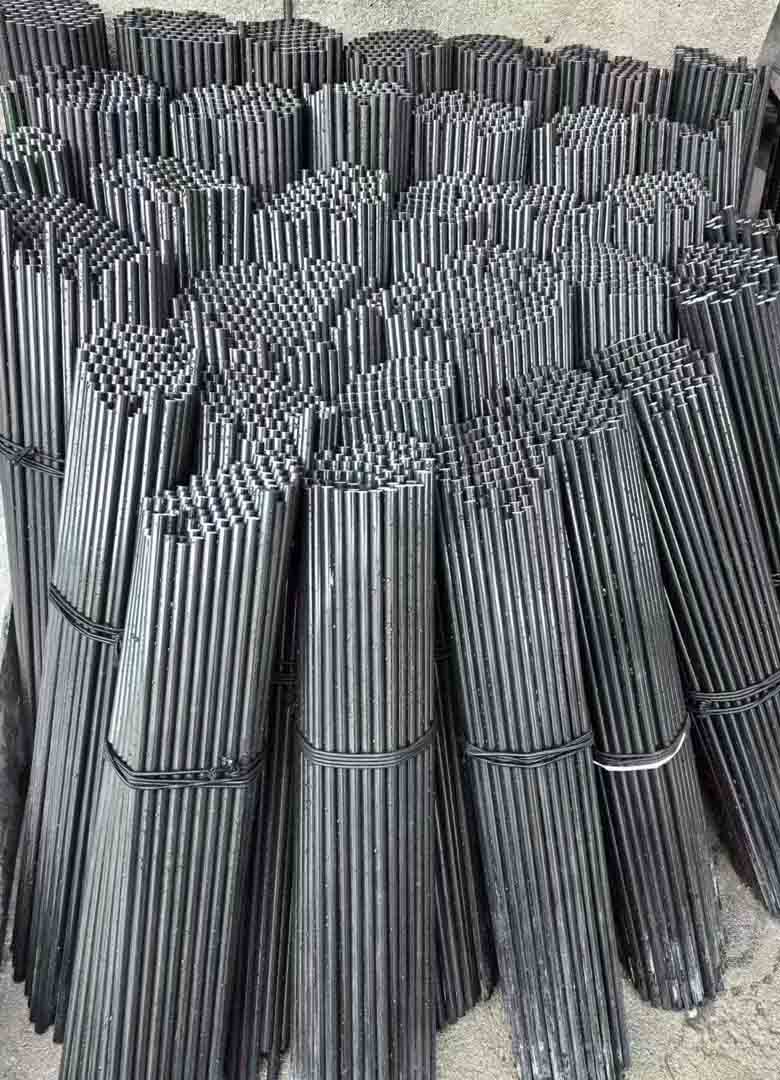
Surprisingly, many suppliers cannot provide a reliable Technical Data Sheet of Koolstofvezelbuis. They may offer generic values copied from material suppliers. However those numbers often reflect raw fiber properties, not finished tube performance.
Moreover small factories sometimes lack testing equipment. Without compression or tensile machines, data remains estimated. That creates risk for serious buyers.
On the other hand, advanced manufacturers invest in testing labs. They perform real compression, bending, and fatigue tests. As a result, their TDS reflects actual product behavior.
However even when a sheet exists, format may vary. Some include full datasets. Others provide only partial numbers. Therefore customers must evaluate depth and clarity.
Are Technical Data Sheet Data Reliable or Meaningful?
That question deserves a blunt answer. Not every Technical Data Sheet of Koolstofvezelbuis carries equal value.
First, testing conditions affect results heavily. Fiber angle, resin content, curing cycle all influence strength. If those factors remain hidden, data loses meaning.
Second, sample preparation matters. A perfectly cured lab sample may differ from mass production output. Therefore customers should ask whether tests come from real production batches.
Third, standards play a critical role. ASTM D695 compression testing differs from other methods. Without clear standard reference, comparisons become flawed.
However reliable TDS documents share common traits:
- Clear test standards listed
- Sample dimensions specified
- Fiber orientation explained
- Batch consistency mentioned
Furthermore, repeatability adds credibility. If multiple batches show similar values, confidence rises.
Common Problems Customers Face Without a TDS
Without a proper Technical Data Sheet of Carbon Fiber Tube, several issues emerge quickly.
First, engineers struggle during design phase. They cannot calculate load limits accurately. That leads to overdesign or failure risk.
Second, procurement teams face supplier comparison problems. Without numbers, price becomes main factor. That often leads to poor quality selection.
Third, production issues appear later. Tubes may crack during assembly. Or bonding strength may fail under stress.
Additionally, project delays increase. Engineers must request additional testing. That wastes both time and budget.
How to Evaluate a Good Technical Data Sheet of Carbon Fiber Tube
A strong Technical Data Sheet of Carbon Fiber Tube should answer practical questions fast.
Look for these elements:
Clear Mechanical Data
Strength values should include tensile, compressive, and flexural numbers. Each value must link with a test method.
Fiber Structure Information
Angle orientation matters greatly. A 0° dominant tube behaves very differently from ±45° winding.
Manufacturing Process Mention
Roll wrapping, pultrusion, or filament winding all produce different properties. Process disclosure helps prediction accuracy.
Tolerance and Dimensions
Real production includes variation. A reliable TDS states acceptable range clearly.
Environmental Performance
Temperature resistance, moisture absorption, and UV behavior matter for outdoor use.
Technical Data Sheet of Carbon Fiber Tube and Manufacturing Process Link
Different processes produce very different data sheets. Therefore understanding process helps interpret numbers.
Roll wrapped tubes often show balanced strength. They perform well in bending and torsion.
Pultruded tubes usually show high axial strength. However lateral strength may drop.
Filament wound tubes excel in pressure resistance. Their fiber angles follow load paths.
Thus, when reading a Technical Data Sheet of Carbon Fiber Tube, always connect numbers with process type. Otherwise misjudgment may occur.
How We Solve TDS Concerns for Customers
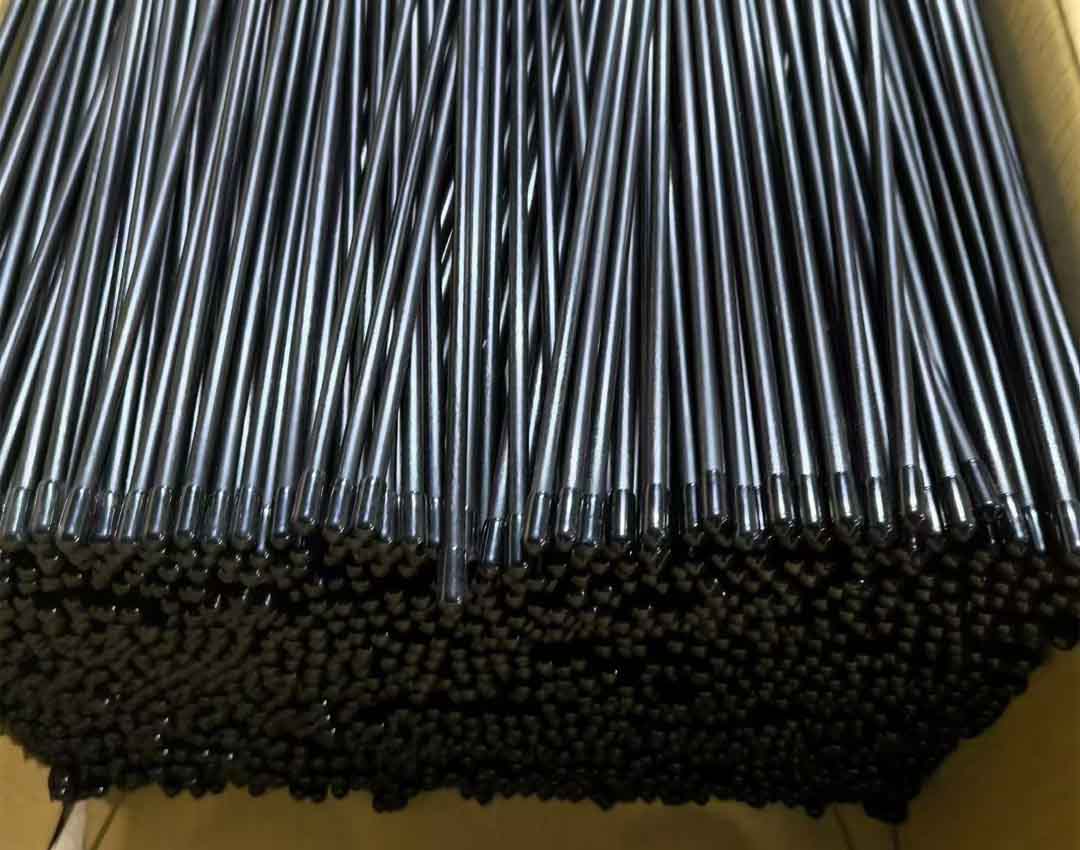
At our factory, we treat Technical Data Sheet of Carbon Fiber Tube as a core deliverable. Every product line includes verified data.
First, we test real production samples. That reflects actual performance, not theoretical values.
Next, we follow recognized standards such as ASTM methods. That allows fair comparison across suppliers.
Moreover, we maintain batch tracking. Each production lot links with quality records. That supports repeatability.
In addition, we update TDS documents when materials or processes change. That keeps data relevant.
Contact Us for Technical Data Sheet of Carbon Fiber Tube
If you need a reliable Technical Data Sheet of Koolstofvezelbuis, our team can help directly. We provide detailed reports for tubes, rods, and composite panels.
Whether your project involves UAV frames, industrial automation, or structural parts, we can match data with application needs. Send your requirements today, and we will respond with tested data and production options.
Conclusion: Why TDS Drives Smart Purchasing Decisions
A Technical Data Sheet of Koolstofvezelbuis acts as a bridge between promise and proof. Without it, decisions rely on guesswork. With it, engineers gain control.
Therefore customers insist on clear data. They want reliability, repeatability, and transparency. In competitive markets, that demand will only grow stronger.