
 Dutch
Dutch  English
  German
  Japanese
  Arabic
  Czech
Czech  Spanish
  French
  Italian
  Danish
  Polish
  Portuguese
  Norwegian
Inhoudsopgave
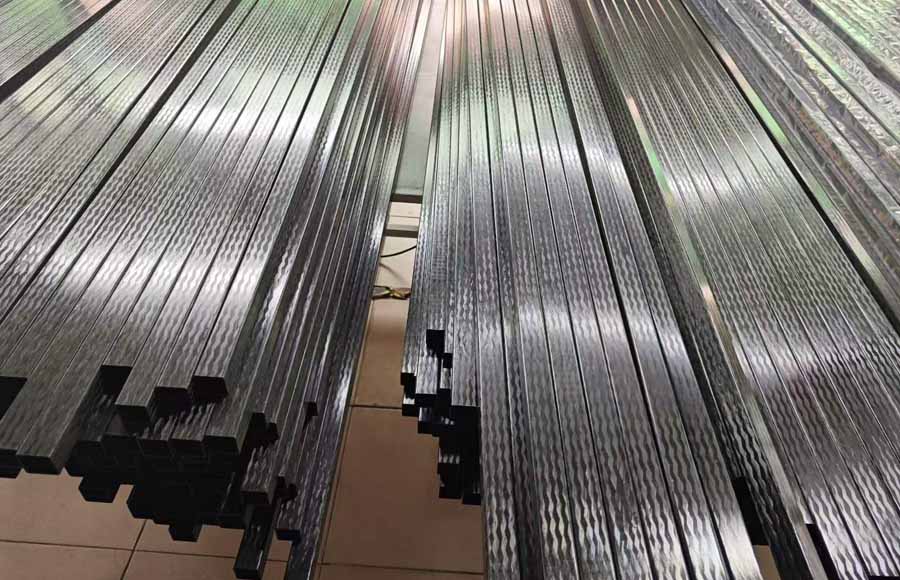
A purchasing manager I worked with once sent me two quotes for the same koolstofvezel buis. Both suppliers claimed to use T700 carbon fiber. One quote was nearly 30% lower.
He asked a simple question: “Are these actually the same product?”
They were not. The difference came down to carbon fiber production—how the material was made, handled, and processed before it ever became a tube. That is where most cost and quality gaps start.
Why Carbon Fiber Production Matters More Than Price
When two suppliers quote very different prices, the gap usually comes from differences in carbon fiber production, not just margin.
Lower-cost suppliers may use downgraded fiber batches, less controlled curing, or faster production cycles. These choices reduce cost but also affect fiber alignment, resin content, and void levels.
In practice, that means:
— Lower tensile strength than expected
— Inconsistent wall thickness
— Higher risk of delamination under load
At CarbonCore Dynamics, we often review customer drawings before quoting. Small adjustments in layup design or curing parameters can prevent failures later, which is usually more valuable than a lower upfront price.
Gerelateerde artikelen:
Productie van koolstofvezel: wat kopers moeten weten voordat ze een keuze maken
Koppelstukken voor koolstofvezelbuizen: hoe kies je het juiste type?
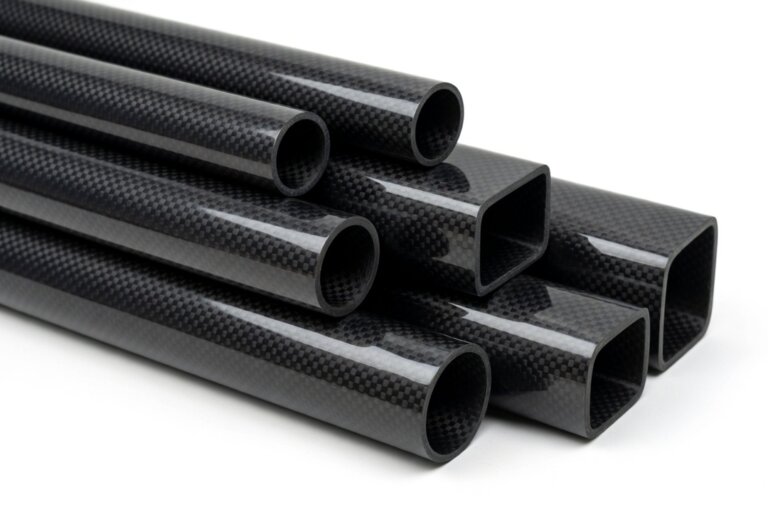
Kan een leverancier van koolstofvezelbuizen zich aan uw op maat gemaakte lay-upschema houden?
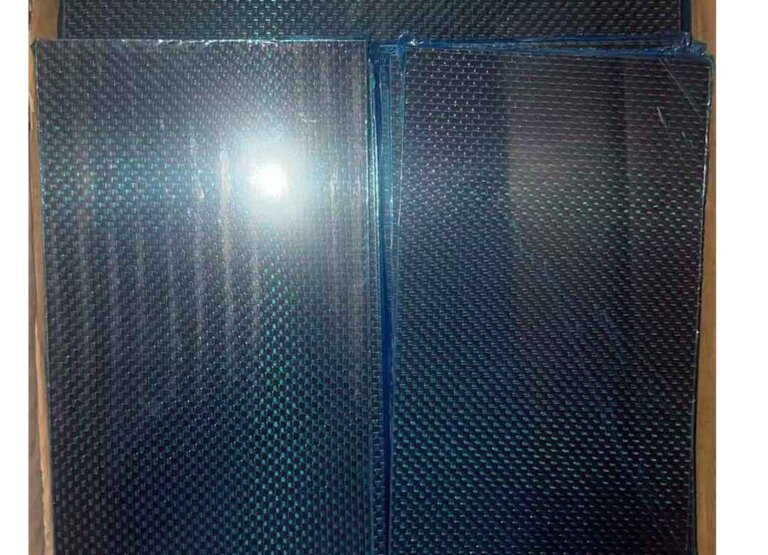
Fabrikant van grote koolstofvezelplaten | Panelen op maat
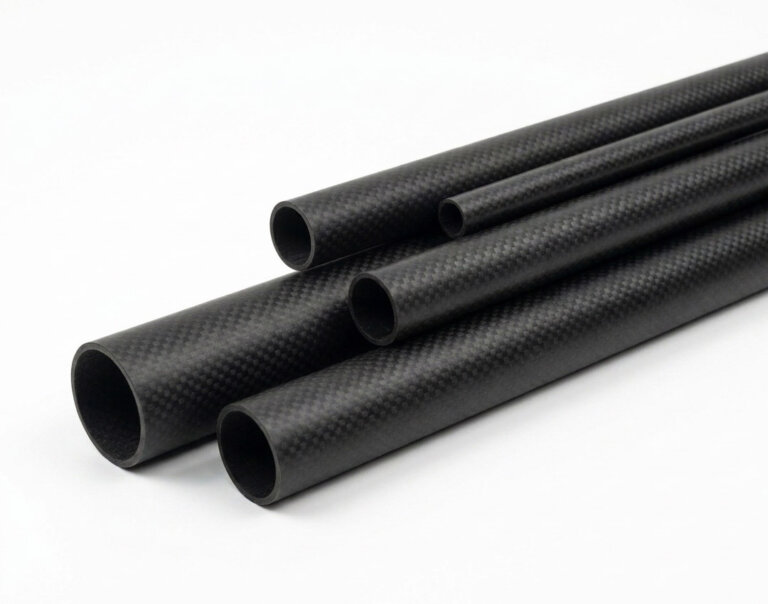
In rollen gewikkelde koolstofvezelbuis: 5 belangrijke voordelen ten opzichte van gepultrudeerde buizen
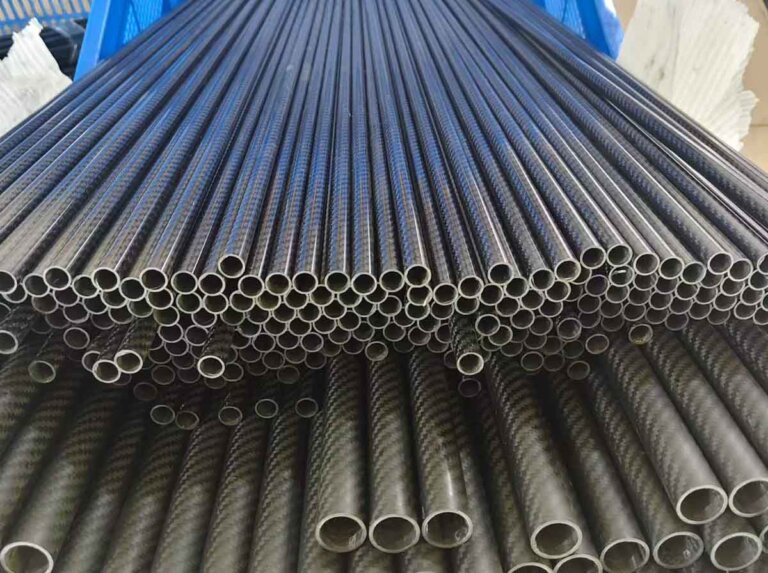
T700 versus T300 koolstofvezelbuizen: prestaties en kwaliteitscontrole
How the Carbon Fiber Production Process Affects Product Performance
De carbon fiber production process directly determines strength, stiffness, and consistency.
Three stages matter most:
— Fiber sourcing: PAN-based fibers from different producers vary in sizing and surface treatment, which affects bonding with resin
— Layup and orientation: Poor alignment reduces load capacity, especially in tubes and structural parts
— Curing control: pressure, and time must be consistent; shortcuts here lead to voids and weak interfaces
A common issue we see is parts that meet visual specs but fail under cyclic loading. That usually traces back to inconsistent curing or resin distribution.
This is why controlled processing—and documentation of it—is more important than the fiber label alone.
Carbon Fiber Production Methods and Why They Produce Different Results
Different carbon fiber production methods are suited to different applications, and mixing them up leads to performance problems.
Typical methods include:
— Filament winding: Best for pressure vessels and cylindrical parts; excellent fiber alignment, but limited geometry flexibility
— Pultrusion: Consistent profiles with high fiber volume; ideal for beams and structural shapes
— Compression molding: Good for higher volumes; depends heavily on mold quality and prepreg control
Hand layup or vacuum infusion: Flexible and cost-effective, but more dependent on operator skill
If a supplier uses a general-purpose method for a high-load application, the part may meet dimensions but not mechanical requirements.
We often help customers match the method to the actual load case before production starts, which avoids redesign later.
Carbon Fiber Production by Country: Does Manufacturing Location Matter?
Carbon fiber production by country affects consistency, lead time, and supply chain reliability—but not always in obvious ways.
Some regions have strong upstream fiber supply, stable material sourcing, mature quality systems, comprehensive process documentation, and the ability to scale efficiently for large-volume production.
The key is not the country itself, but how the production plant operates within that environment. A well-managed factory with clear process control will consistently outperform a poorly controlled one, regardless of location. We advise buyers to ask for process details—not just the country of origin. A transparent supplier should be able to explain how quality is managed throughout every stage of production.
What Buyers Should Evaluate
Sustainable Carbon Fiber Production Is Becoming Part of Every Buying Decision
Sustainable carbon fiber production is no longer just a branding topic. It is starting to affect procurement decisions, especially in aerospace, automotive, and consumer products.
Buyers are asking about:
— Waste reduction during cutting and trimming
— Energy use during curing cycles
— Recycling of offcuts or end-of-life parts
From a practical standpoint, efficient production often aligns with better quality. For example, controlled resin usage reduces both waste and variability in part weight.
At CarbonCore Dynamics, we see sustainability and process control as linked. When production is consistent, there is less scrap, fewer defects, and fewer delays.
Before placing an order, it is worth asking how a supplier manages both material efficiency and process stability.
Choosing a carbon fiber supplier is rarely about fiber grade alone. It comes down to how well the manufacturer controls each step of production, from raw material selection to final inspection.
If a quote looks unusually low, it is worth asking what has been simplified or skipped. A short discussion with an engineering team can reveal risks that are not visible on a datasheet—and save significant cost later in the project.
De juiste leverancier van koolstofvezelbuizen kiezen voor uw project
If you are comparing carbon fiber suppliers and noticing unexpected price or performance differences, it is worth taking a closer look at how each manufacturer manages its production process. A brief technical discussion early on can often reveal risks that are not visible in a quotation.
The engineering team at Koolstofkern dynamiek is available to review your drawings, materials, and performance requirements before production begins—helping you avoid costly revisions and ensuring the final product meets real-world demands.