 Czech
Czech  English
  German
  Japanese
  Arabic
  Spanish
  French
  Italian
  Danish
  Polish
  Portuguese
  Norwegian
  Dutch
Dutch 
Obsah
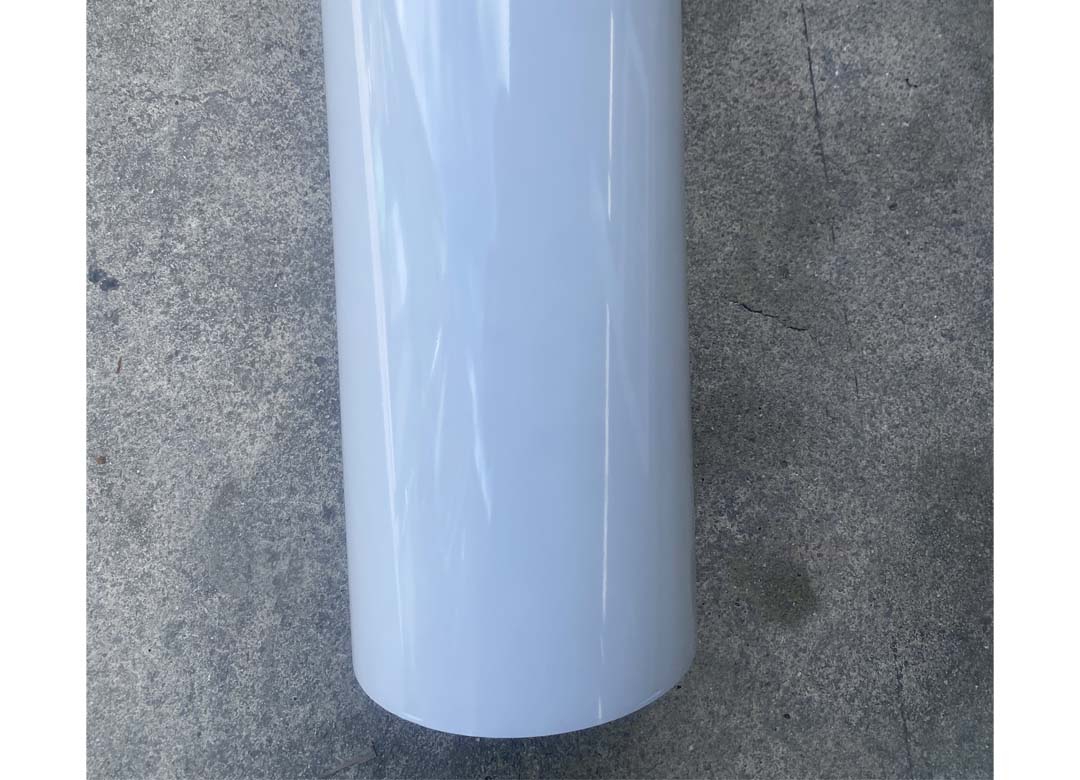
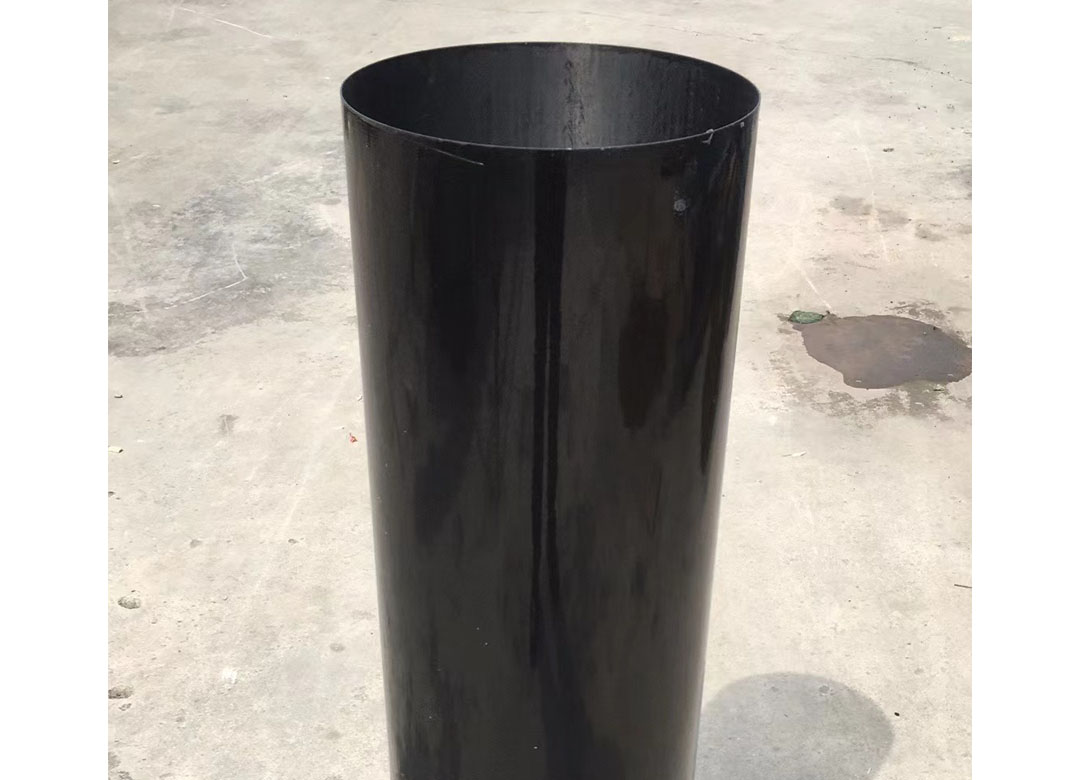
Large Diameter Carbon Fiber Tube keeps gaining traction across construction projects. Engineers chase lighter frames. Contractors want faster installs. Meanwhile steel still dominates many sites. So which material fits better for modern builds? That answer shifts based on load case cost limits and environment factors. This guide breaks down real trade-offs in simple terms.
Because projects differ wildly no single material wins every time. However smart material choice often cuts cost over lifecycle. So we explore how composites compare against aluminum and steel. We also explain where carbon fiber truly shines.
Odkazy:
1. Ideální uhlíková vlákna pro drony: Materiály a možnosti listů
2. Jak řezat trubky z uhlíkových vláken?
3. Porozumění zkouškám tvrdosti a tlaku trubek z uhlíkových vláken
4. Uhlíková vlákna vs. grafitová tyč: Který z nich nejlépe vyhovuje vašim potřebám
5. 8 chyb, kterých se inženýři dopouštějí při výběru trubek z uhlíkových vláken, a jak se jim vyhnout
Large Diameter Carbon Fiber Tube in Construction Industry Manufacturing
Large Diameter Carbon Fiber Tube enters construction as a high-performance option. Unlike metal pipes composite tubes rely on fiber direction for strength. That means engineers can tune stiffness for each job.
For example axial fibers boost tension strength. Meanwhile hoop layers resist pressure loads. As a result tube performance adapts rather than staying fixed.
Also weight drops sharply compared with steel sections. That leads to easier handling on site. Crews move parts without heavy cranes in some cases.
However production differs from metal fabrication. Pultrusion filament winding and roll wrapping all play roles. Each method changes cost and properties.
Head-to-Head: Composite vs Aluminum Construction Industry
Strength-to-Weight Comparison
Carbon fiber wins weight battle quickly. Steel feels heavy. Aluminum sits in middle ground. Yet composite tubes deliver high stiffness with less mass.
Therefore long-span structures benefit most. Bridges supports and truss arms gain efficiency. Less weight reduces foundation demand too.
Corrosion Resistance and Durability
Steel rusts without coatings. Aluminum resists corrosion yet still degrades over time. Carbon fiber handles harsh environments better.
So marine or chemical plants prefer composite structures. Maintenance cycles stretch longer. That cuts lifetime costs significantly.
Thermal Expansion Behavior
Metals expand with temperature swings. That creates stress at joints. Carbon fiber expands far less along fiber direction.
Thus precision structures stay stable. Alignment-sensitive systems perform better under heat variation.
Installation and Handling Efficiency
Heavy steel demands cranes forklifts and larger crews. Aluminum reduces weight yet still needs support.
Carbon fiber tubes allow quicker manual positioning in some builds. So installation time drops. Labor costs shrink.
Cost Reality Check
Here comes tough truth. Carbon fiber costs more upfront. Raw material price stays high. Manufacturing adds complexity.
However lifecycle cost tells a different story. Less maintenance fewer replacements and lower transport cost balance initial spend.
When Large Diameter Carbon Fiber Tube Outperforms Metals
Certain scenarios strongly favor composites.
- Long-span lightweight frameworks
- Offshore platforms with corrosion risk
- High-precision support structures
- Temporary structures needing fast setup
In these cases carbon fiber provides clear advantage.
However heavy compressive loads may still favor steel. Also budget-limited projects often stick with metal.
When Metals Still Make More Sense
Steel remains dominant for good reasons.
First cost stays low for bulk supply. Second fabrication remains simple worldwide. Third contractors understand steel behavior deeply.
Aluminum also fits mid-range applications. It balances corrosion resistance and cost.
So not every project needs composite upgrade. Material choice depends on real performance goals.
CarbonCore Dynamics: Your Composite Materials Partner for Construction Industry
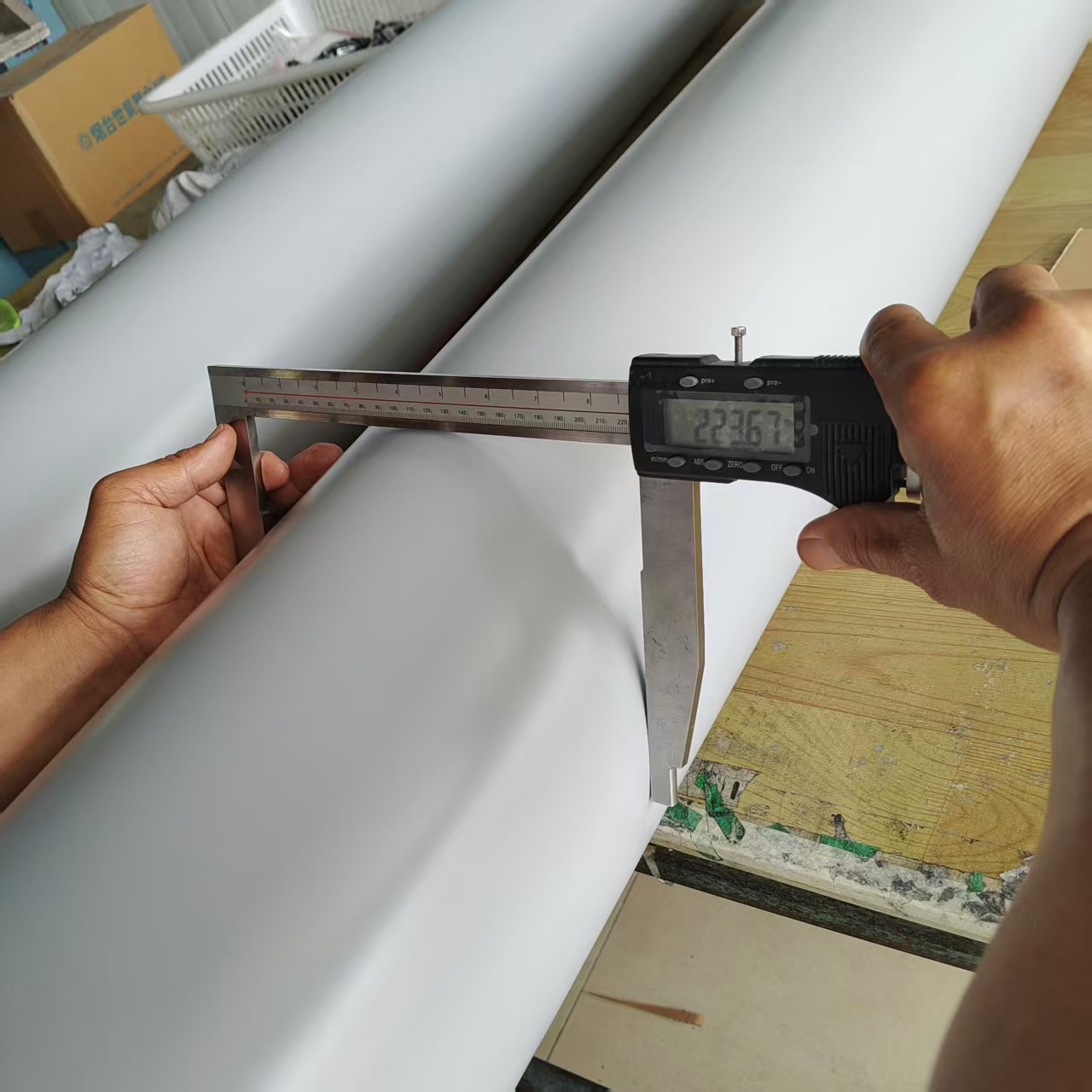
CarbonCore Dynamics supports builders with advanced composite solutions. We supply Large Diameter Carbon Fiber Tube in multiple diameters and layups.
We also help clients choose correct structure design. That includes fiber orientation wall thickness and joint method.
Moreover our team provides machining bonding and assembly advice. So customers avoid trial-and-error delays.
Because each project differs we focus on practical solutions. That means balancing cost performance and manufacturability.
FAQs About Large Diameter Carbon Fiber Tube
Is Large Diameter Carbon Fiber Tube strong enough for construction?
Yes in many cases strength exceeds steel per weight. However design must match load direction carefully.
Can carbon fiber replace steel entirely?
No. Steel still works better for heavy compressive loads and low-budget builds.
How long does carbon fiber last outdoors?
Composite tubes resist corrosion well. With proper resin systems service life can exceed decades.
Are connections difficult?
Joining requires special methods like bonding or inserts. Yet with correct design connections perform reliably.
Is maintenance lower than steel?
Yes. No rust means fewer inspections and repairs. That reduces long-term cost.
Conclusion: Choosing Smart for Construction Projects
Large Diameter Carbon Fiber Tube offers clear gains in weight durability and performance. Still metals remain practical in many builds.
So best choice depends on project goals rather than hype. Evaluate load environment budget and lifecycle cost carefully.
In short carbon fiber does not replace everything. Yet in right application it transforms efficiency completely.