
 Hebrew
 English
 German
 Czech
 Spanish
 French
 Danish
 Portuguese
 Norwegian
 Dutch
תוכן עניינים

מהו צינור מרובע מסיבי פחמן בדרגת תעופה וחלל ומדוע זה חשוב
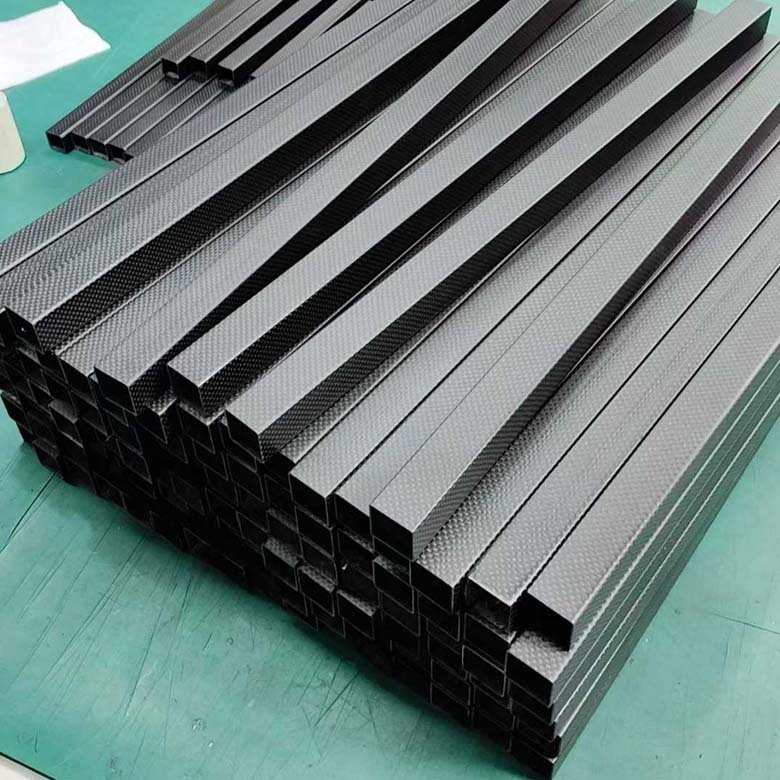
במבט ראשון, צינור מרובע מסיבי פחמן נראה כמו כל רכיב מבני קל משקל. אבל יש הבדל עצום שמסתתר מתחת למשטח המבריק הזה. במיוחד במכלולי צינורות מרובעים מסיבי פחמן בדרגת תעופה וחלל. אלה אינם המוטות או המקלות הרגילים מסיבי פחמן — הם יצורים מהונדסים שנבנו למהירות, בטיחות והישרדות.
לעומת חומרים מרוכבים סטנדרטיים מסיבי פחמן, הצינורות המרובעים האלה מספקים כושר נשיאה גבוה יותר, יציבות תרמית טובה יותר ועמידות טובה יותר לעייפות. לכן לא תמצאו צינורות בדרגת תחביב במטוס קרב או ברחפן מהיר. אולי תראו מוט טלסקופי מסיבי פחמן בחכה, אבל כנפי מטוס? זה בדרגת תעופה וחלל או כלום.
יישומים מרכזיים של צינור מרובע מסיבי פחמן בדרגת תעופה וחלל
למה בכלל להתאמץ להשתמש בחומרים מרוכבים בדרגת תעופה וחלל? פשוט. הביצועים מדברים בעד עצמם יותר מהמפרטים.
הנה כמה מקומות שבהם צינור מרובע מסיבי פחמן בדרגת תעופה וחלל יוצר הבדל עצום:
חללי פנים במטוסים ומסגרות מבניות: מתמודד עם עומסי לחיצה בלי להוסיף משקל.
כלי טיס בלתי מאוישים (UAVs): כל גרם חשוב כשנשארים באוויר. הצינורות האלה מספקים חוזק בלי לגרור מסה.
מעטפות הנחיה של טילים: חייבים לעמוד בחום, ברעידות ובתאוצה עזה.
עמודי הגה מתקדמים מסיבי פחמן: במכוניות מרוץ וברכבי ניסוי הזקוקים לעמידות בדרגה צבאית.
רובוטיקה מדויקת: לזרועות נעות הדורשות אפס כפיפה תחת כוח.
חומרים מרוכבים סטנדרטיים ייכשלו ברבים ממקרי השימוש האלה. שם חומרי תעופה וחלל שולטים בתחום.
Understand the Differences in Materials: Aerospace vs Standard Carbon Fiber Square Tube
Not all carbon fiber is born equal. The material blend in aerospace tubes offers better purity, higher modulus ratings, and less void content. These square tubes use ultra-high-strength fibers often derived from PAN (polyacrylonitrile) precursors.
Compare the two:
| Feature | Aerospace-Grade | Standard Composite |
|---|---|---|
| Fiber Quality | Ultra-high strength (e.g., T800, M55J) | Mid-grade (e.g., T300) |
| Resin Type | Toughened epoxy with high temp resistance | Standard epoxy or vinyl ester |
| Fiber Alignment | Highly directional, engineered | Often woven or bidirectional |
| Void Content | Less than 1% | Can reach 3% or more |
| Fatigue Resistance | Exceptional | Moderate |
Aerospace-grade square tubes don’t just weigh less. They last longer under stress, heat, and fatigue. While regular carbon fiber composites might work fine for a tripod or carbon fiber telescopic pole, they don’t meet NASA or Boeing specs.

Differences in the Manufacturing Process
The construction phase makes or breaks performance. And for aerospace צינור מרובע מסיבי פחמן assemblies, the build process is nothing short of scientific.
Aerospace Manufacturing Methods: Precision from the Ground Up
Autoclave Curing: Uses high pressure and heat for denser, stronger material.
Prepreg Layups: Fiber sheets pre-impregnated with resin — more consistent, cleaner, and tightly controlled.
Laser Cutting and CNC Finishing: Accuracy matters. Shape and symmetry affect strength.
Thermal Cycle Testing: Simulated heat loads replicate launch conditions or re-entry scenarios.
Standard Composite Manufacturing: Quick and Inexpensive
Wet Layup: Cheaper method using hand-applied resin. More variability, more waste.
Compression Molding: Good for high-volume, low-cost shapes but lacks precision.
Pultrusion: Pulling fibers through resin and dies — great for simple shapes, not complex forces.
Those who manufacture aerospace-grade tubes can’t afford shortcuts. Meanwhile, budget-oriented carbon fiber composites focus on ease and volume, not perfection.
Performance & Structural Integrity: Where Aerospace-Grade Carbon Fiber Tubes Win
A square tube must resist torsion, axial compression, and flexural forces — especially in aerospace systems that vibrate, fly, and heat up.
What sets aerospace-grade apart?
Thermal Tolerance: Resists high-temp friction, sunlight, and rapid cooling.
Mechanical Durability: Delivers ultra-low fatigue failure rates even in years-long applications.
Delamination Resistance: Stays bonded, no matter the force.
Chemical Stability: Doesn’t degrade under jet fuel, saltwater, or hydraulic fluids.
Meanwhile, regular composites can’t promise long-term structural integrity in such brutal environments. For example, a carbon fiber steering wheel built for racing needs a stronger core than one for decoration.


Why These Differences Matter to Engineers, Builders, and End Users
Engineers don’t buy materials for the hype. They buy performance. That’s why aerospace-grade carbon fiber square tube structures continue replacing aluminum, titanium, and even high-grade steel in aerospace.
For users needing parts that won’t bend, melt, or snap under pressure — nothing beats aerospace composite manufacturing. Whether you’re designing a prototype drone, upgrading a carbon fiber telescopic pole, or specifying high-load beams, choosing the right grade changes the outcome.
Even if standard carbon composites seem cheaper, failure costs more in the long run.
Final Thoughts: Aerospace-Grade Carbon Fiber Square Tube Redefines Composite Strength
The difference isn’t small. It’s massive. Aerospace-grade carbon fiber square tube products are cut from a different cloth — or rather, woven from stronger fiber, cooked in stricter ovens, and crafted with precision.
So if your project demands serious strength, thermal resilience, and structural integrity, don’t settle for standard. Your structure deserves the best square tube science can offer.