
 Hebrew
 English
 German
 Czech
 Spanish
 French
 Danish
 Portuguese
 Norwegian
 Dutch
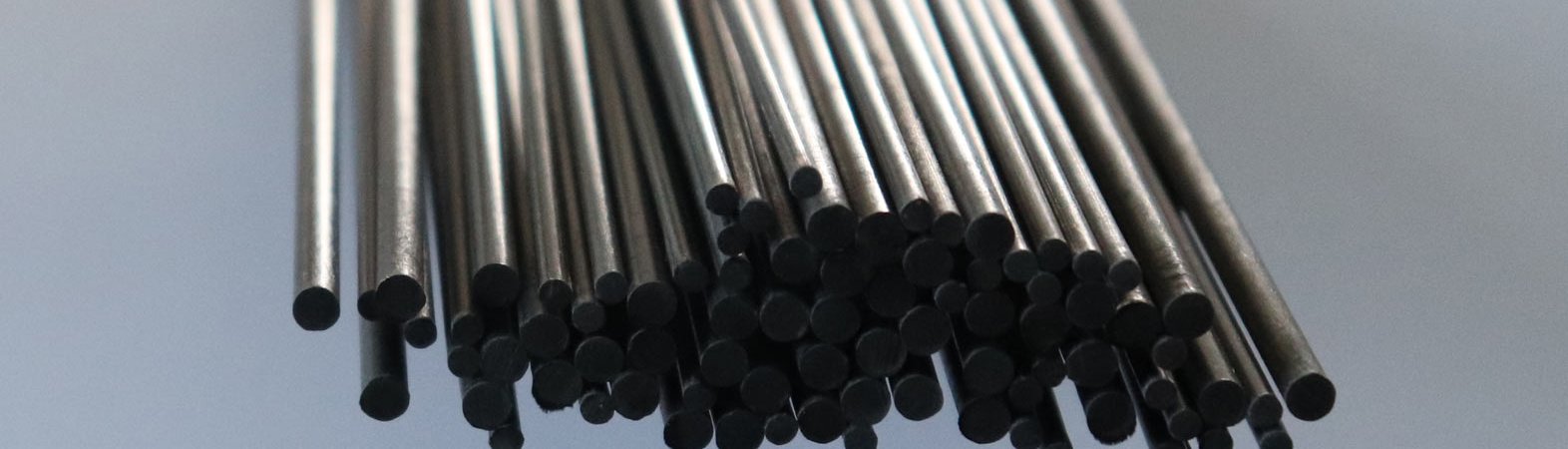
מצאו את היצרן האמין שלכם למוטות מסיבי פחמן
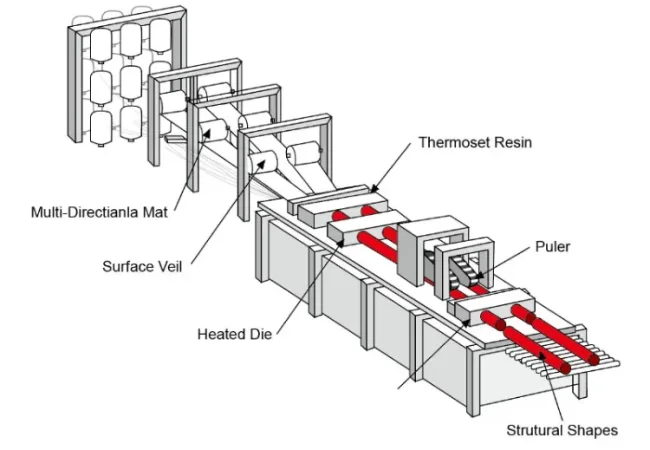
שיטת פולטרוזיה
סיבי פחמן נמשכים דרך אמבט שרף, תוך הבטחת ספיגה אחידה. תערובת הסיבים והשרף עוברת דרך תבנית מחוממת ליצירת צורת המוט הרצויה. התקשות רציפה מתרחשת כאשר המוט נע דרך התבנית.
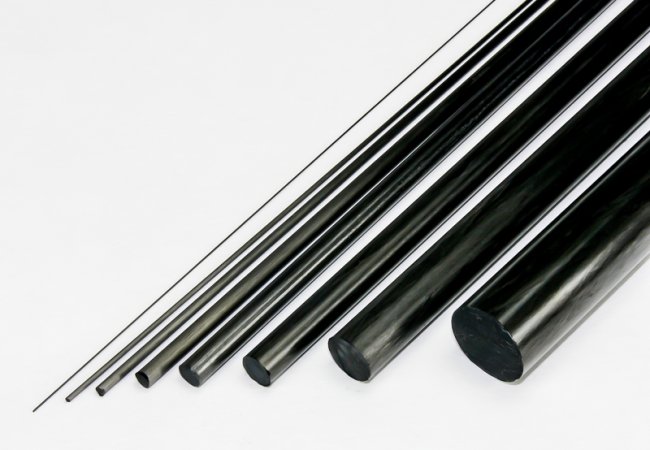
ניתן להתאמה אישית
לא רק האורך והקוטר, אלא כל ההיבטים האחרים ניתנים להתאמה אישית, כולל גדילי סיבים, גימורי משטח (מאט, מבריק), דרגות (T300, T700, T800) וצורות.
פתרון כולל
באמצעות מכונת ה-CNC שלנו, לאחר שמוט סיבי הפחמן הפולטרודי עבר דרך אזורי העיצוב והקירור, הוא נחתך לאורך הרצוי באמצעות מסור או כלי חיתוך אחר.

אורך וקוטר
ה־ אורך וקוטר של מוט מסיבי פחמן ניתנים להתאמה בהתאם לצורכי היישום. להלן פירוט:
1. אורך
- אורכים סטנדרטיים נעים בדרך כלל בין 500 מ״מ עד 3000 מ״מ (0.5 מ׳ עד 3 מ׳).
- ניתן לייצר אורכים מותאמים אישית בהתאם לדרישות.
- חלק מהיצרנים מציעים אורכים רציפים עבור יישומים מיוחדים.
2. קוטר
- קטרים נפוצים נעים בין 0.5 מ״מ עד 50 מ״מ או יותר.
- מוטות מיקרו (בקוטר מתחת ל-1 מ״מ) זמינים עבור יישומי דיוק.
- מוטות בקוטר גדול (מעל 50 מ״מ) ניתנים לייצור עבור יישומי עומס גבוה.
Since carbon fiber rods are customizable, the exact length and diameter can be tailored based on the strength, weight, and performance needed. Let me know if you need more details!

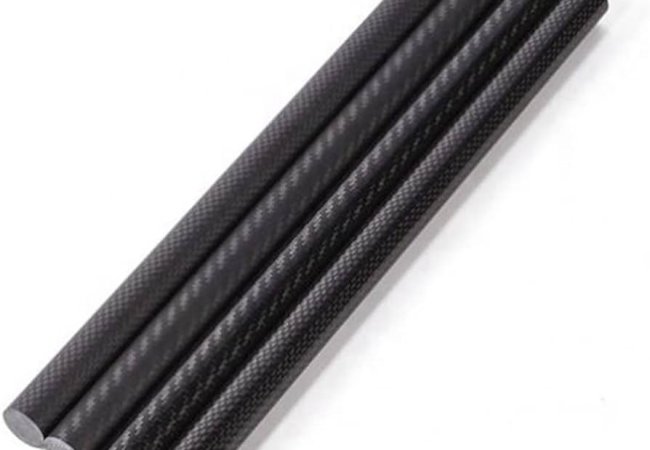
אריגה
ניתן לבחור מבין מספר אפשרויות אריגה לשכבה החיצונית ביותר כדי לעמוד בדרישות המכניות שלכם, ובמקביל להעניק לצינורות סיבי הפחמן מראה אטרקטיבי.
- אריגת טוויל
- אריגה רגילה
- UD (חד-כיווני)
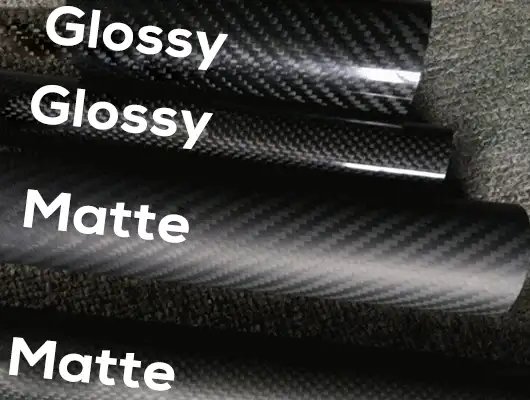
גימור פני שטח
הוא מגיע גם במגוון גימורים, כולל מבריק ומאט. סיבי פחמן מבריקים בעלי משטח חלק ומחזיר אור, המוסיף מראה חלק ומבריק. סיבי פחמן מאט בעלי משטח לא מחזיר אור עם גימור רך ומרוסן יותר.
- מבריק
- חצי מאט
- מאט
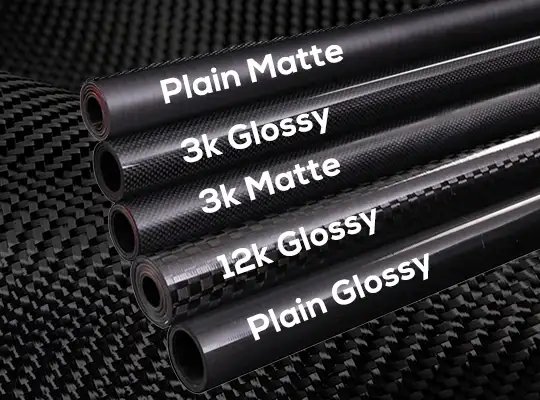
גדילי סיבי פחמן
“האות ”K” מייצגת אלף ומשמשת לציון מספר הסיבים בכל אגד. ככל שהמספר גדול יותר, האגד רחב יותר, מה שגם מביא להבדלים במראה.
- 1K
- 3K (נפוץ ביותר)
- 6K
- 12K
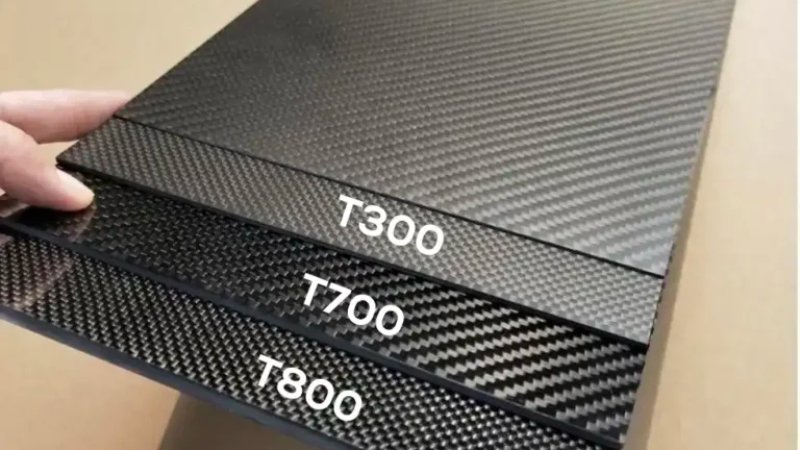
Carbon Fiber Strength Grade
We understand that different applications demand different levels of performance. That’s why we offer 3 of the most popular carbon fiber grades to meet your specific needs
- T300 (Most Common)
- T700
- T800
What Is a Carbon Fiber Rod?
Carbon fiber rods stand among the most sought-after composite materials in engineering, manufacturing, and performance-driven applications. Stronger than steel, lighter than aluminum, and resistant to wear, these advanced rods solve challenges where traditional materials fall short. But what makes them unique? How do they outperform alternatives? Let’s break down the details in a way that matters to those seeking durability, precision, and efficiency.
A carbon fiber rod consists of tightly packed carbon filaments infused with a polymer matrix. This fusion creates unmatched tensile strength, extraordinary stiffness, and impressive fatigue resistance. Unlike metal or wood, composite rods shrug off corrosion, moisture, and environmental degradation. Applications range from aerospace to sports equipment, industrial automation, and structural reinforcement.
Why Choose Carbon Fiber Rods Over Other Materials?
Lightweight yet strong – Pound for pound, these rods outperform steel in strength while weighing a fraction as much.
Corrosion-resistant – Unlike metals, carbon fiber will not rust, warp, or weaken in humid, salty, or chemical-heavy environments.
Exceptional stiffness – High rigidity ensures precision and minimal deflection, making them ideal for robotics, automation, and precision tools.
Durability in extreme conditions – Heat, cold, and pressure fluctuations barely affect their integrity.
Minimal thermal expansion – These rods retain their shape and strength even in fluctuating temperatures.
Real-World Uses of Carbon Fiber Rods
From cutting-edge industries to everyday applications, these composite rods deliver unmatched performance. Some key examples include:
Aerospace – Structural supports, lightweight frameworks, UAV components.
רכב – Chassis reinforcements, racing modifications, weight-saving upgrades.
Sports & Recreation – Fishing rods, kites, archery equipment, performance bicycles.
Construction & Architecture – Concrete reinforcement, structural beams, bridge supports.
Medical & Prosthetics – Lightweight orthotic devices, rehabilitation aids, surgical instruments.
Selecting the Right Carbon Fiber Rod
With various sizes, fiber orientations, and resin systems available, choosing the ideal rod requires an understanding of project needs. Consider these critical factors:
1. Fiber Orientation Matters
Unidirectional rods – Maximum stiffness along a single axis, perfect for structural applications needing high tensile strength.
Pultruded carbon fiber rods – Consistent fiber alignment ensures top-tier mechanical properties, making them useful for load-bearing applications.
Woven or braided – Enhanced flexibility and impact resistance, often chosen for dynamic movements or sports equipment.
2. Resin System Defines Performance
Epoxy-based – Provides superior strength and longevity, often used in high-performance applications.
Vinyl ester – More affordable and offers good resistance to environmental factors.
Phenolic – Heat-resistant and suited for fire-safe applications.
3. Diameter and Wall Thickness Determine Strength
Thicker rods handle higher loads, but unnecessary weight may reduce efficiency. Engineers optimize thickness for maximum strength with minimal weight.
Common Problems and How Carbon Fiber Rods Solve Them
Problem: Weight Constraints
Traditional materials like steel and aluminum increase system weight, reducing efficiency. Solution: Carbon fiber rods maintain strength without excess mass, improving energy savings and performance.
Problem: Corrosion & Degradation
Metal weakens over time due to rust, exposure, and wear. Solution: Composite rods withstand harsh conditions without deterioration, ensuring long-term reliability.
Problem: Flex & Structural Instability
Wood or plastic can bend unpredictably under load, leading to failure. Solution: Carbon fiber rods offer predictable stiffness and consistent performance.
Choosing the right carbon fiber rod means considering fiber orientation, resin type, and diameter for the job at hand. Whether reinforcing a high-speed vehicle, designing a lightweight robotic arm, or crafting high-performance sporting equipment, carbon fiber rods stand out as the ultimate material. They replace outdated alternatives, solve critical engineering challenges, and push industries toward stronger, more efficient solutions.
Explore the available options, match specifications to project needs, and experience the benefits of cutting-edge composite materials firsthand.