מצאו את היצרן האמין שלכם לצינורות סיבי פחמן
תנור ריפוי
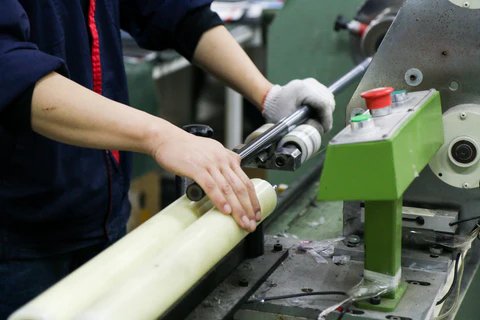
אנו משתמשים בצינורות עטופים בגליל ובתנור ריפוי מתקדם. בעל משטח חלק ללא פגמים, בועות או אי-סדירויות.
ניתן להתאמה אישית
לא רק האורך והקוטר, אלא כל ההיבטים האחרים ניתנים להתאמה אישית, כולל גדילי סיבים, גימורי משטח (מאט, מבריק), דרגות (T300, T700, T800) וצורות.
פתרון כולל
באמצעות מכונת ה-CNC שלנו, אנו יכולים לעבד כל רכיב בדיוק בהתאם לשרטוטים הספציפיים שלכם.
אורך וקוטר
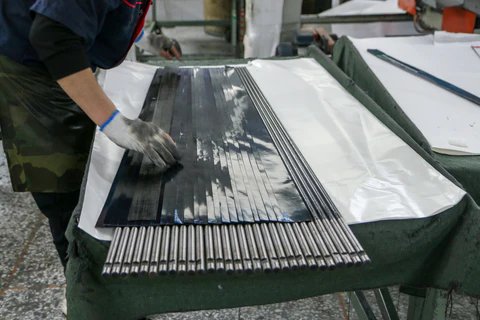
הצינורות שלנו מסיבי פחמן עטופים בגליל מיוצרים ממספר שכבות של סיבי פחמן UD (חד-כיווניים) במרכז, ובד ארוג מסיבי פחמן 3K מבחוץ, אשר מגולגלים על התבנית הצירית. לכן, עובי צינור סיבי הפחמן נקבע לפי מספר השכבות של סיבי הפחמן החד-כיווניים הפנימיים. כך ניתן להתאים כל עובי, קוטר ואורך בהתאם לדרישותיכם.
- קוטר חיצוני (OD): 1.8 מ״מ (מינ.) – 300 מ״מ (מקס.)
- קוטר פנימי (ID): 1 מ״מ (מינ.) – 280 מ״מ (מקס.)
- אורך: 50 מ״מ (מינ.) – 6000 מ״מ (מקס.)
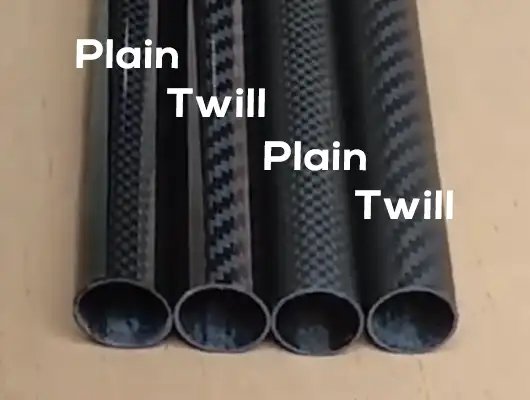
אריגה
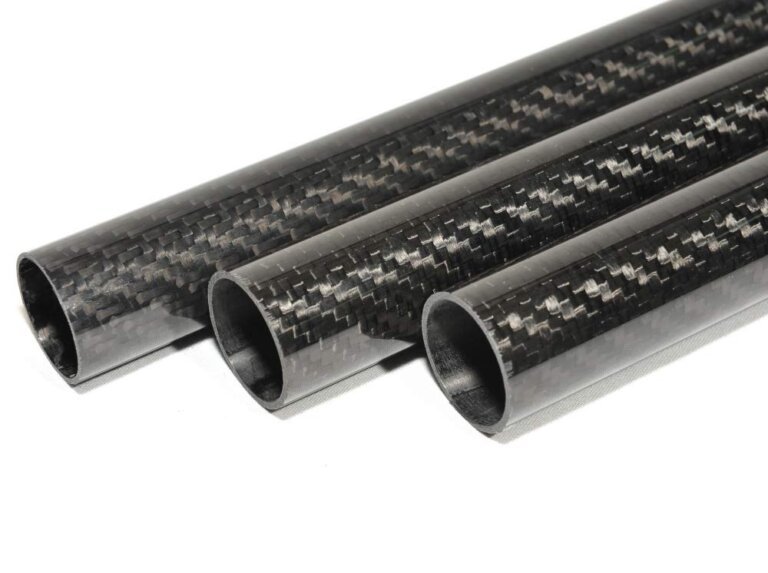
ניתן לבחור מבין מספר אפשרויות אריגה לשכבה החיצונית ביותר כדי לעמוד בדרישות המכניות שלכם, ובמקביל להעניק לצינורות סיבי הפחמן מראה אטרקטיבי.
- אריגת טוויל
- אריגה רגילה
- UD (חד-כיווני)
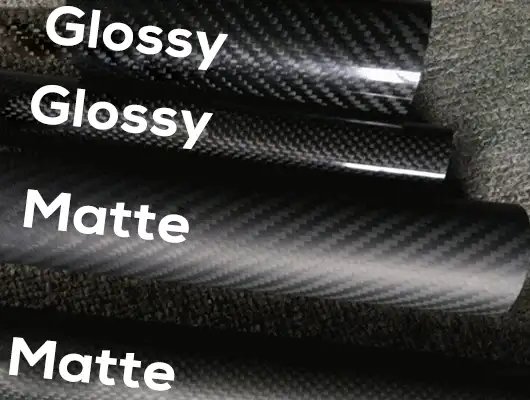
גימור פני שטח
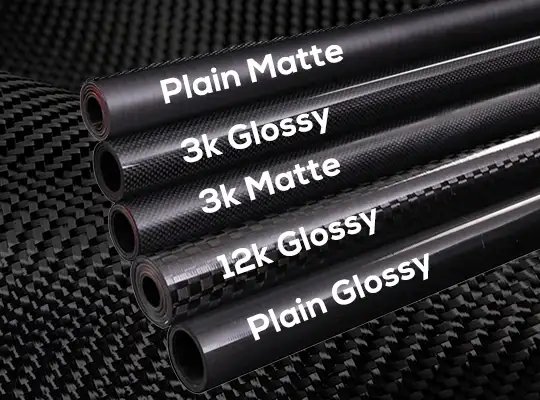
הוא מגיע גם במגוון גימורים, כולל מבריק ומאט. סיבי פחמן מבריקים בעלי משטח חלק ומחזיר אור, המוסיף מראה חלק ומבריק. סיבי פחמן מאט בעלי משטח לא מחזיר אור עם גימור רך ומרוסן יותר.
- מבריק
- חצי מאט
- מאט
גדילי סיבי פחמן
“האות ”K” מייצגת אלף ומשמשת לציון מספר הסיבים בכל אגד. ככל שהמספר גדול יותר, האגד רחב יותר, מה שגם מביא להבדלים במראה.
- 1K
- 3K (נפוץ ביותר)
- 6K
- 12K
Carbon Fiber Strength Grade
We understand that different applications demand different levels of performance. That’s why we offer 3 of the most popular carbon fiber grades to meet your specific needs
- T300 (Most Common)
- T700
- T800
What is a Carbon Fiber Tube?
Carbon fiber tubes have become an essential component in industries ranging from aerospace to sports equipment. But what exactly are these lightweight yet robust materials, and why are they so popular? This guide dives into the details, focusing on solutions for real-world applications and addressing common customer concerns.
A carbon fiber tube consists of strands of carbon fibers embedded within a polymer resin. These fibers, which are often thinner than a strand of hair, are tightly woven or unidirectionally aligned. The resulting structure creates a tube that offers superior strength while being exceptionally light. This blend of properties makes carbon fiber tubes a standout choice for both professional and recreational applications.
Key Benefits of Carbon Fiber Tubes
Why are carbon fiber tubes favored by so many industries? Let’s explore:
High Strength-to-Weight Ratio: These tubes weigh significantly less than metal options but maintain equal or greater strength.
Corrosion Resistance: Unlike steel, carbon fiber does not rust or degrade when exposed to moisture or chemicals.
Customizability: Customers can choose from varying lengths, diameters, and wall thicknesses, enabling tailored solutions for their needs.
Vibration Damping: This property reduces noise and ensures smooth operation in machinery or vehicles.
Thermal Stability: Carbon fiber remains stable under extreme temperatures, making it suitable for demanding environments.
Common Applications of Carbon Fiber Tubes,It solve a wide range of challenges for customers in diverse industries:
- Aerospace: Lightweight tubes reduce aircraft weight while maintaining structural integrity. Pilots and engineers appreciate the reliability these tubes provide during critical operations.
- Robotics: Precision movements in robotics benefit from the stiffness and minimal flex in carbon fiber components.
- Sports and Recreation: Cyclists, archers, and other athletes seek these tubes for their equipment to gain better performance and durability.
- Marine Applications: Boats and underwater equipment use carbon fiber tubes for their resistance to saltwater and moisture.
- Medical Devices: Surgeons and researchers rely on lightweight yet durable carbon fiber parts for precision instruments.
Solutions for Customer Challenges
Challenge: Weight Reduction in Design
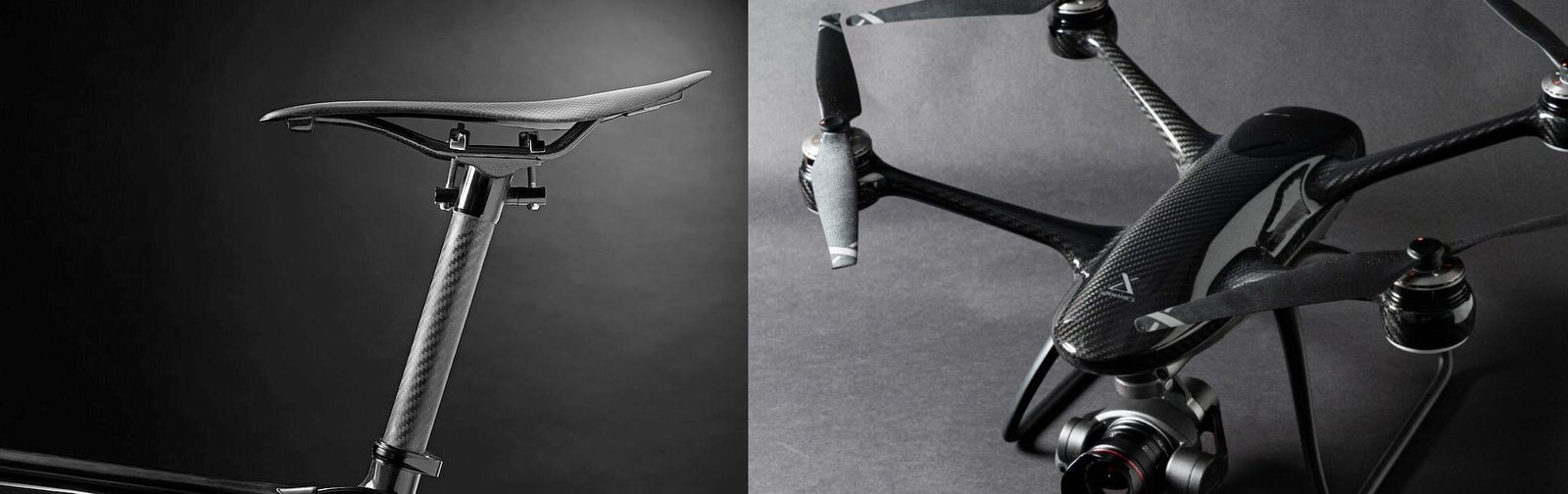
Solution: Carbon fiber’s lightweight nature enables customers to achieve significant reductions in weight without compromising structural integrity. For example, drone manufacturers often switch from aluminum to carbon fiber tubes to extend flight time.
Challenge: Exposure to Harsh Environments
Solution: Carbon fiber tubes withstand exposure to water, UV light, and corrosive chemicals. This property makes them ideal for outdoor installations or marine applications.
Challenge: Customization Requirements
Solution: Manufacturers offer carbon fiber tubes in various shapes—round, square, rectangular—and sizes. This flexibility ensures customers can find or create the perfect fit for their projects.

Choosing the Right Carbon Fiber Tube
When selecting a carbon fiber tube, customers should consider the following:
- Application Needs: Determine the specific strength, weight, and durability required for your project.
- Layup Design: Choose between woven, unidirectional, or hybrid patterns depending on your performance goals.
- Wall Thickness: Thicker walls enhance durability, while thinner walls reduce weight.
- Finish Options: Glossy or matte finishes add aesthetic appeal to visible components.