
 Hebrew
 English
 German
 Czech
 Spanish
 French
 Danish
 Portuguese
 Norwegian
 Dutch
תוכן עניינים
הדילמה של סיבי הפחמן: פירוק המציאויות של החומר
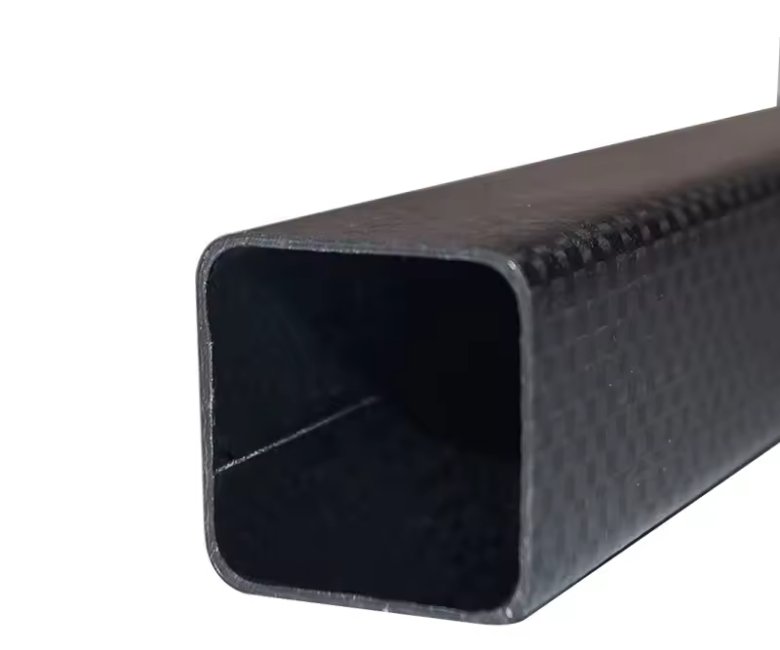
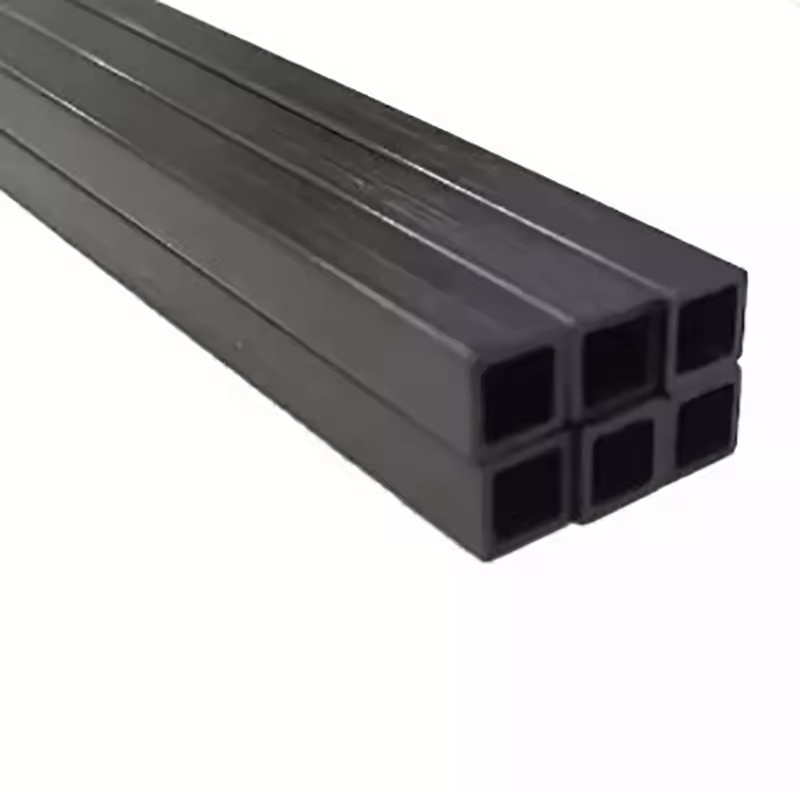
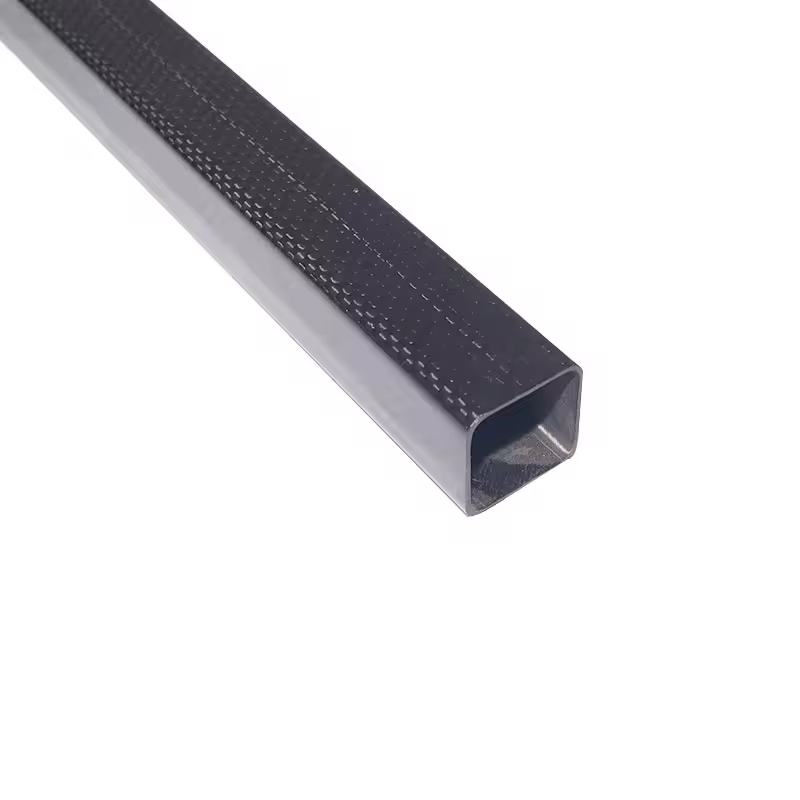
כולם חולמים על דברים קלים וחזקים יותר. סיבי פחמן נראים כמו חומר קסום שמסוגל לעשות בדיוק את זה. רואים אותם במכוניות מירוץ ובאופניים יוקרתיים, ובכל זאת המכונית שלכם לא עשויה מהם. מדוע לא? רבים מאמינים שסיבי פחמן יחליפו הכול, אך זהו מיתוס. יש בהם הבטחה עצומה, אך הם ניצבים בפני אתגרים קשים. A צינור מרובע מסיבי פחמן מפגין חוזק יוצא דופן, אך לאימוץ רחב יותר יש מכשולים.
המיתוס של סיבי פחמן כ“חומר-על”
רבים מדמיינים סיבי פחמן כפלא בלתי ניתן להריסה. הם מתארים לעצמם חומר שאינו נשבר ושוקל כמעט כלום. תפיסה זו נובעת מיחס החוזק למשקל המרשים שלו. ואכן, צינור סיבי פחמן פולטרודי מפגין קשיחות מדהימה. אולם, כמו כל חומר, לסיבי פחמן יש מגבלות. יש להם נקודות תורפה, והעלויות נותרות גבוהות. לא ניתן פשוט להחליף פלדה בסיבי פחמן בלי השלכות.
מה הופך צינור סיבי פחמן מרובע לכה מרשים?
חומרים מרוכבים מסיבי פחמן חזקים באופן מדהים ביחס למשקלם. היצרנים מייצרים אותם על ידי אריגה של גדילים דקים של פחמן לבד. לאחר מכן הם מספיגים בבד זה שרף כמו אפוקסי. זה יוצר פאנל קשיח וקל או צינור פחמן עגול. זה מצוין ליישומים ספציפיים שבהם חיסכון במשקל הוא החשוב ביותר. חשבו על חלקי תעופה וחלל או ציוד ספורט בעל ביצועים גבוהים.
האמת על נקודות התורפה שלו
למרות חוזקו, סיבי פחמן אינם בלתי מנוצחים. הם מתמודדים היטב עם מתיחה, אך מתקשים עם פגיעות. מכה חדה עלולה לגרום להיפרדות שכבות, וכך לכשל קטסטרופלי. יתר על כן, סיבי פחמן אינם עמידים ללחיצה כמו פלדה. תכונותיו האנאיזוטרופיות פירושן שחוזקו משתנה בהתאם לכיוון. לפיכך, התכנון דורש שיקול דעת קפדני.
The Challenges Holding carbon fiber square tube Back: More Than Just Cost
Cost is a big barrier. Carbon fiber production is energy-intensive and slow. Specialized manufacturing processes further add to expenses. However other factors also limit its widespread use.
Production Pains: Slow and Pricey
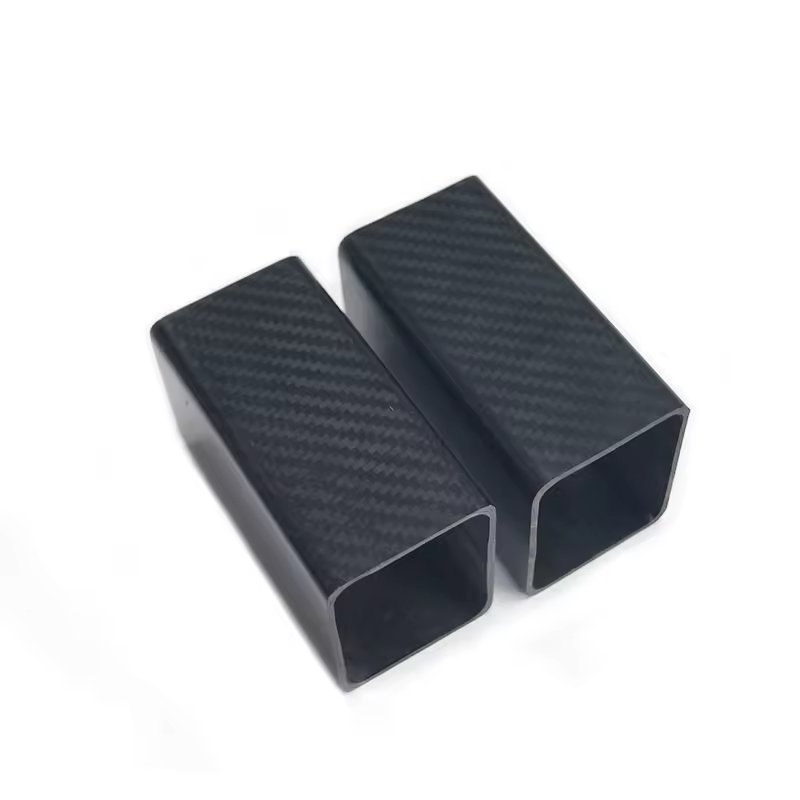
Creating carbon fiber involves complex chemical processes and high temperatures. This makes it much pricier than steel or aluminum. Forming large components like a car chassis takes time. For example making a 1 carbon fiber tube involves precise winding or pultrusion. This contrasts sharply with fast metal stamping. Therefore mass production remains difficult.
Repair Riddles: Fixing the Unfixable
Repairing damaged carbon fiber structures is tricky and costly. Unlike metal which can often be bent back or welded carbon fiber requires specialized techniques. Damage often means replacing an entire section. This increases downtime and expense for consumers. Imagine fixing a dent in a steel car door versus a shattered carbon fiber panel.
Recycling Woes: A Green Dilemma
Recycling carbon fiber is a significant hurdle. Current methods are energy-intensive and degrade fiber quality. Most carbon fiber waste ends up in landfills. This clashes with modern sustainability goals. Developing efficient recycling solutions remains an active area of research.
When Carbon Fiber Fails: Real-World Examples
Even advanced materials can fail. Understanding these failures helps us grasp carbon fiber’s true limits. These aren’t just theoretical problems.
Impact Sensitivity: A Sudden Shatter
A prime example is its poor impact resistance. A minor collision that would dent a metal car can shatter a carbon fiber one. Bicycle frames or drone arms made from carbon fiber rectangular tube can splinter on impact. This makes carbon fiber unsuitable for structures needing resilience against unexpected forces.
Fatigue and Delamination: Invisible Weaknesses
Over time carbon fiber can experience fatigue. Microscopic cracks develop especially in areas of stress concentration. This leads to delamination where layers separate. These issues are hard to detect until it’s too late. Aerospace components undergo rigorous inspection to prevent such failures.
Material Alternatives: When Not to Use Carbon Fiber
Carbon fiber isn’t always the best choice. Many situations call for different materials. Understanding these alternatives saves both money and headaches.
Steel: The Workhorse of Industry
Steel remains an excellent choice for many applications. It’s affordable easy to produce and simple to repair. Its ductility means it bends before it breaks providing a safety net. For structures where weight isn’t paramount steel offers reliable performance. Consider bridges or everyday car frames.
Aluminum: Lightweight and Versatile
Aluminum provides a good balance of strength and weight. It’s lighter than steel and relatively easy to form. It also resists corrosion well. Many car body panels and aircraft structures use aluminum. It’s a common choice when seeking weight savings without carbon fiber’s expense.
Advanced Plastics: Innovations Abound
New engineering plastics offer impressive strength and flexibility. They can be molded into complex shapes easily. These materials suit many consumer goods and non-load-bearing components. Moreover some plastics are recyclable addressing environmental concerns.
What the Future Holds: Breakthroughs on the Horizon
Research continues to push carbon fiber’s boundaries. Scientists seek to overcome its current limitations. Exciting developments promise wider adoption in the future.
Lowering Production Costs: The Holy Grail
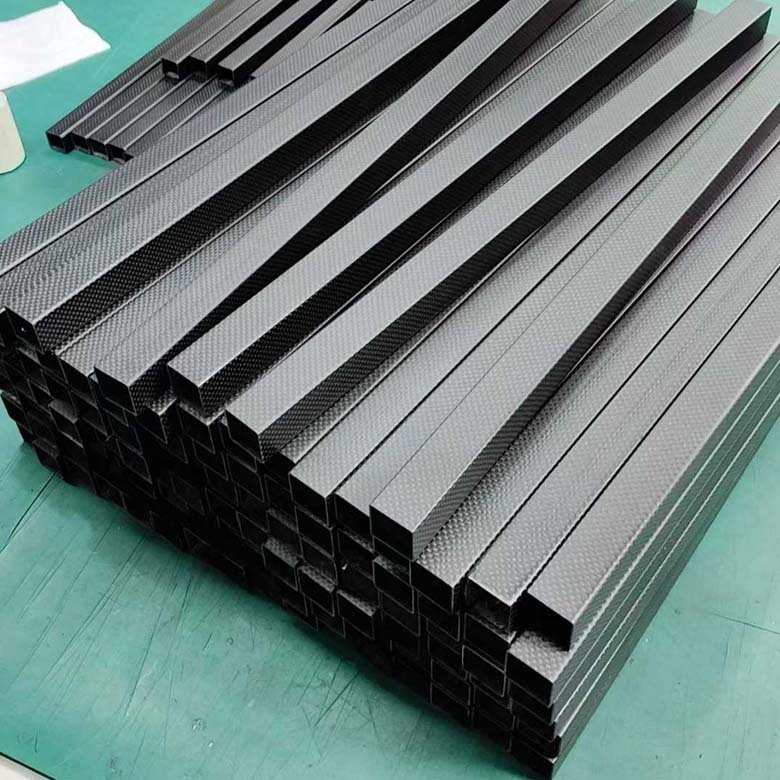
New manufacturing techniques aim to reduce carbon fiber’s price. Innovations like continuous pultrusion for square carbon fiber tube could lower costs significantly. Automated processes also promise to speed up production. This will make carbon fiber more accessible.
Enhanced Durability: Tougher Than Ever
Researchers explore ways to improve impact resistance. Integrating new materials or modifying resin systems could create tougher composites. Self-healing polymers are also a promising area. These innovations could make carbon fiber more robust for everyday use.
Sustainable Solutions: A Greener Future
Recycling technologies are improving steadily. New methods could efficiently recover carbon fibers without degradation. Bio-based resins are also under development. These advancements pave the way for more environmentally friendly carbon fiber products.
Smart Composites: Sensing Their Own Condition
Future carbon fiber structures might incorporate sensors. These “smart composites” could monitor their own integrity. They could detect damage early preventing catastrophic failures. This could revolutionize maintenance in aerospace and automotive industries. Such advancements will broaden its application range.