
 Hebrew
 English
 German
 Czech
 Spanish
 French
 Danish
 Portuguese
 Norwegian
 Dutch
בניית מוצר עטוף בגליל צינור סיבי פחמן מתחדד יכול להרגיש כמו התמודדות עם צללים. אבל אל תילחץ—בין אם אתה מרכיב במהירות צינור סיבי פחמן לעשייה עצמית במוסך שלך או מכוונן מפרטים לפרויקט ברמה מקצועית, יש דרך קדימה שלא כוללת ניחושים או חומר מבוזבז. הנה התמצית, במיוחד אם אתה מתמודד עם הדברים המעוקלים כמו צינור סיבי פחמן מעוקל או חותך אותו עם ה חותך צינורות.
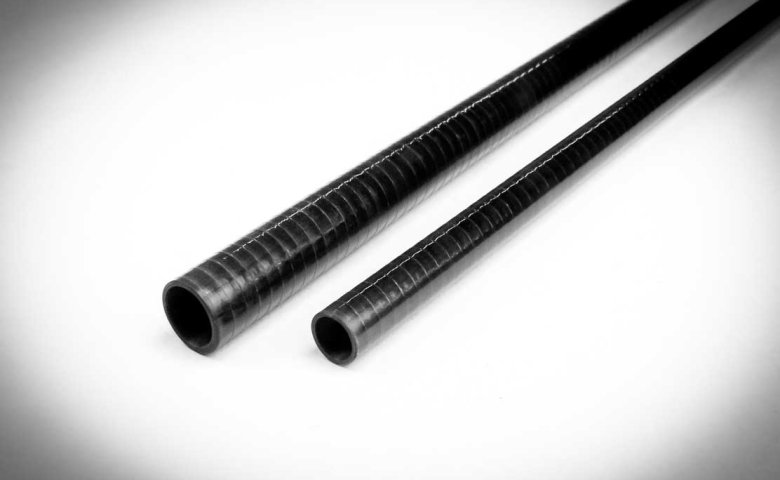
שלב 1: בחר את הפריפרג או הבד היבש הנכונים מסיבי פחמן
התחל בחומר איכותי. רוצה גמישות? חפש צינור סיבי פחמן גמיש פריסה. צריך חוזק? סיבים במודול גבוה—כן, כמו צינור סיבי פחמן במודול גבוה חומר—עושים פלאים תחת עומס. אם אתה מחפש עמידות לחום, לך עם צינור סיבי פחמן בטמפרטורה גבוהה בדים. השתמש בעטיפות גליל לחוזק כיווני טוב יותר. דלג על אריגות רשלניות. שמור אותן לפרויקטים דקורטיביים.
שלב 2: בנה מנדרל מחודד
צינור מחודד לא ייווצר בלי מנדרל בצורה נכונה. עבד את החידוד בקפידה או השג גרסה חתוכה ב-CNC אם אין לך זמן. מנדרלים יכולים להיות אלומיניום מלא או פלסטיק מתמוסס, בהתאם לתוכנית השליפה או ההמסה שלך. לחידודים חדים, אל תחסך. לך על דיוק.
שלב 3: הנח את סיבי הפחמן ביד או עטוף אותם על גליל
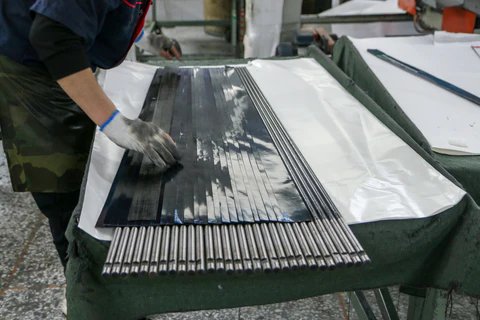
עטיפה בגליל משמעה עטיפת יריעות חתוכות מראש סביב המנדרל בזוויות חופפות. זוויות הדוקות יותר נותנות חוזק היקפי, וזוויות רדודות מציעות קשיחות. שים לב לשכבות. זה חשוב אם אתה מחקה צינורות סיבי פחמן DragonPlate or something like dragon carbon fiber tubes—they don’t fray because they’re layered like armor. Don’t forget to stagger your seams. You want smooth transitions, not bulges.

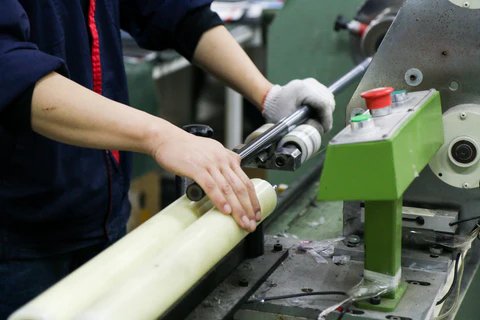
Step 4: Add Heat-Shrink Tape or Vacuum Bag
To consolidate layers and avoid bubbles, wrap the tube with heat-shrink tape. Or, use a vacuum bag setup if you’ve got one. Not perfect? You’ll get voids. Voids kill strength. Want a cleaner finish? Try peel-ply between your layup and shrink tape. You’ll thank yourself when sanding later.
Step 5: Cure it Properly
Curing can be tricky without an oven. But don’t half-bake it. Use a heat gun with a thermometer at minimum. Ideally, toss that sucker into a programmable oven. Temps matter. Some filament wound carbon fiber tubes cure at 250°F or higher. For strength? Follow the resin system’s curing guide exactly.
Step 6: Demold and Trim the Ends
Once cooled, pull that tube from the mandrel. Easy if you used mold release. Nightmarish if you didn’t. After that, slice the ends square. Use a fine-tooth blade or better yet, a cut carbon fiber tube with pipe cutter—cleaner cuts, fewer fibers sticking out.
Step 7: Drill, Cut, Modify
Need to trim or drill? Cool. Use carbide bits. When drilling carbon fiber tube material, slow speed works best. Let the drill do the work. Too fast and you’ll cook the epoxy. Slicing? Cutting carbon fiber steerer tube pieces or hex shapes? Mask the area and cut slow. Less fray, better edge.
Bonus Tips: Go Weird, Go Strong
Feeling bold? Try a forged carbon fiber tube look using scrap fibers and resin. Wild texture. Strong too. Need something geometric? You can fab a hexagonal carbon fiber tube with modular layup tricks and custom molds. Wanna go lighter or stiffer? Tweak your fiber orientation or double up with UD tapes.
Wrapping Up
Making a roll wrapped tapered carbon fiber tube demands prep, patience, and a touch of obsession. Want a pro finish? Avoid shortcuts. Whether you’re shaping a diy carbon fiber tube for a bike build or slicing a cut carbon fiber tube for robotics, it pays to work clean and slow. Keep your goals clear—flexible, rigid, heat-resistant—and match your fabric and method accordingly. For everything else? A good blade, clean workspace, and attention to layer angles get you 90% there.
Got questions? Cut your teeth on it. Trial and error beats theory every time.
מקורות:
1. כיצד לחתוך צינורות סיבי פחמן: המפתח לסבילות ולמערכות יחסים עם לקוחות
2.כיצד עזרנו ללקוח שלנו לפתור בעיות מוצר עם צינורות סיבי הפחמן שלנו?
3.Can Carbon Fiber Tubes Be Mass-Produced? Here’s What You Need to Know
4.כיצד לשפר את איכות פני השטח של צינורות סיבי פחמן בקוטר גדול
5.יתרונותיו של צינור סיבי פחמן בחוזק גבוה לייצור רכב
תגובה אחת