
 Norwegian
  English
  German
  Japanese
  Arabic
  Czech
Czech  Spanish
  French
  Italian
  Danish
  Polish
  Portuguese
  Dutch
Dutch 
Innholdsfortegnelse
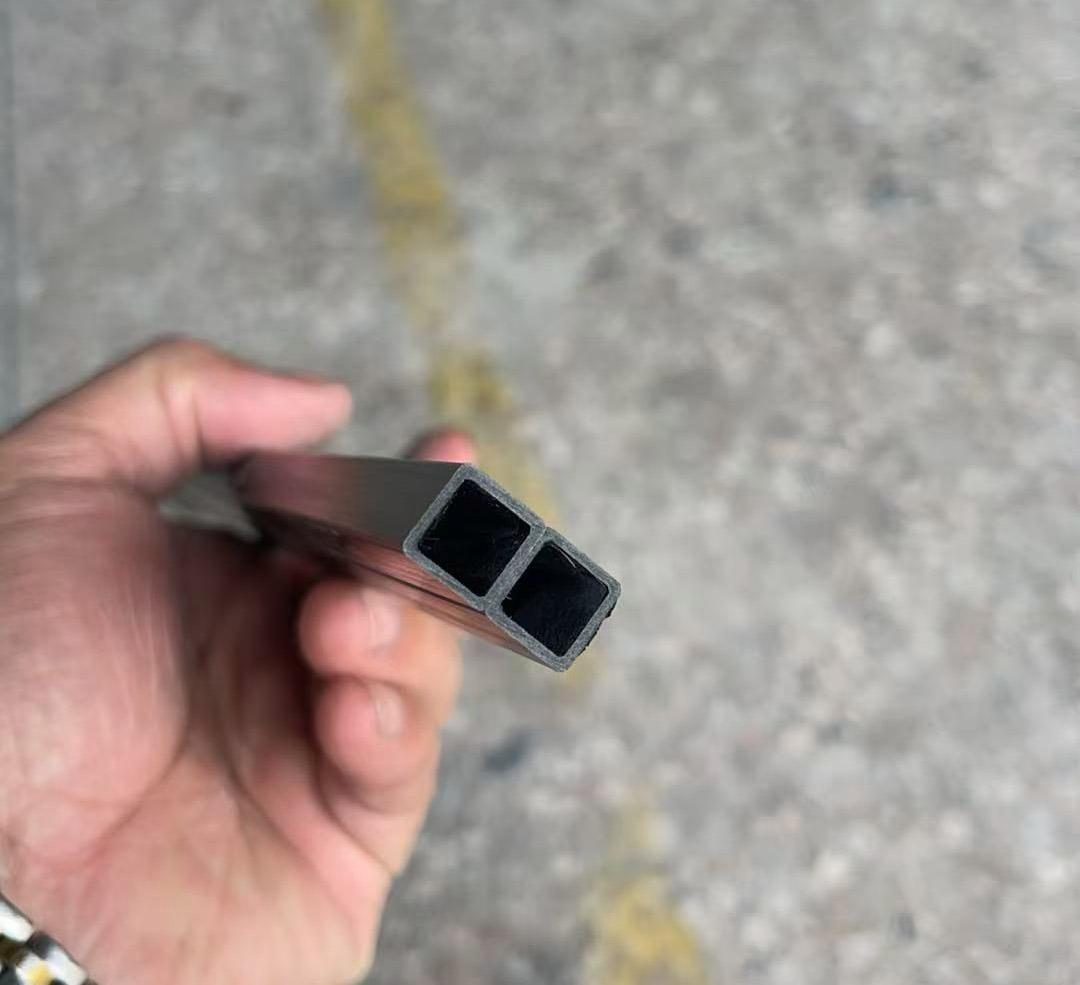
Introduction: Why Carbon Fiber Square Tubes Matter for Drone Manufacturers
Drone manufacturers face constant pressure. Weight targets shrink. Payload demands grow. Flight time expectations rise. Because of this tension many engineers rethink structural choices early. Firkantede rør i karbonfiber now appear across drone frames because they deliver stiffness without mass penalties. Unlike round profiles square geometry resists torsion more evenly across flat planes. As a result designers gain predictable load paths and cleaner mounting surfaces. Therefore pultruded profiles increasingly replace aluminum rails across commercial UAV platforms.
Referanser:
1. Det ideelle karbonfiberet for droner: Ark, materialer og alternativer
2. Hvordan kutte karbonfiberrør?
3. Forstå hardhets- og kompresjonstesting av karbonfiberrør
4. Karbonfiber vs. grafittstang: Hvilken passer best til dine behov
5. 8 feil ingeniører gjør når de velger karbonfiberrør, og hvordan du unngår dem
Understanding Pultruded Carbon Fiber Tubes in Drone Structures
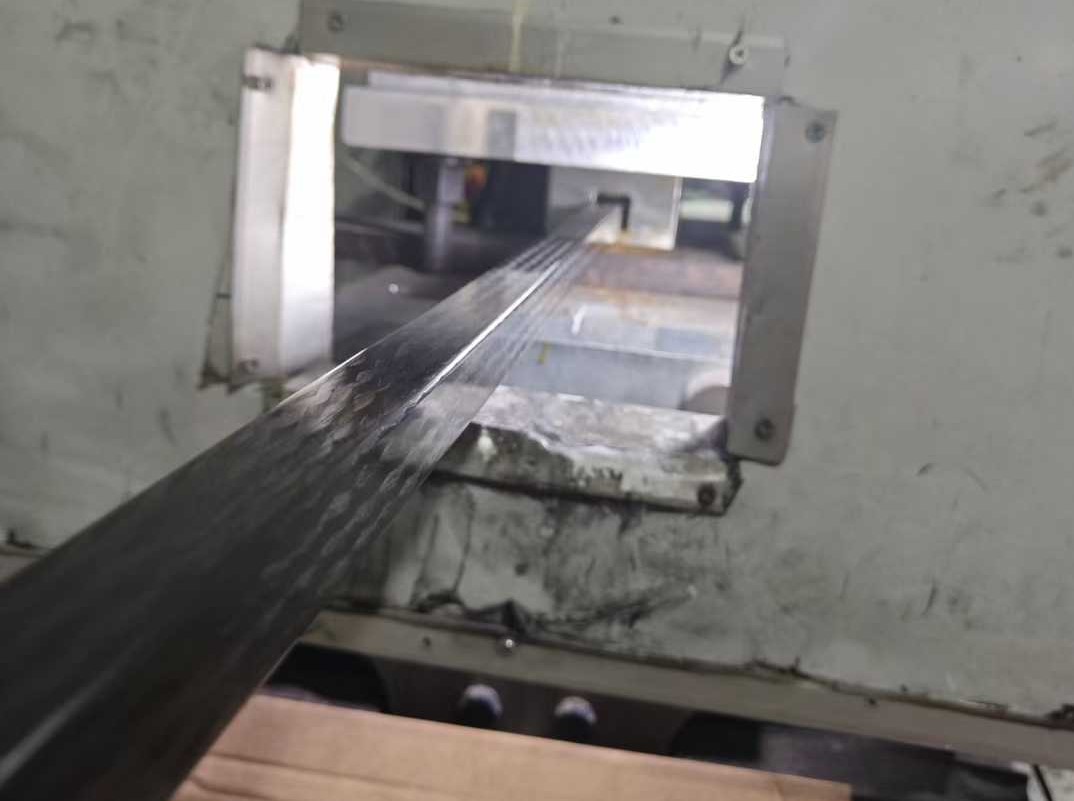
Pultrusion pulls continuous carbon fibers through resin then across a heated die. That process locks fiber alignment along tube length. A pultrudert karbonfiberrør therefore excels under axial load. Drone arms benefit because thrust forces travel straight through frame members. Compared with filament winding pultrusion offers repeatable fiber volume and stable dimensions. Consequently OEMs achieve consistency across production batches. Square profiles also simplify jig alignment during assembly which reduces tolerance stack issues later.
Why Carbon Fiber Tubes for Drones Are Becoming an Industry Standard
First weight reduction changes everything. Carbon fiber cuts frame mass dramatically. Second vibration damping improves sensor stability. Third corrosion resistance suits outdoor exposure. Because of these traits firkantede karbonfiberrør now dominate professional drone frames. Aluminum once ruled prototypes yet fatigue cracks appeared after cycles. Carbon fiber resists that failure mode. As drone fleets scale reliability matters more than material familiarity. Hence manufacturers adopt composites earlier in design cycles.
Structural Optimization with Carbon Fiber Square Tubes in Drone Frames
Square geometry provides flat faces for motor mounts electronics trays and landing gear nodes. Designers exploit those faces for bonded joints rather than point clamps. That shift spreads load more evenly. Firkantede rør i karbonfiber also allow internal stiffeners or wiring channels without compromising strength. Additionally corner radii concentrate fibers where bending stress peaks. That geometry supports longer arm spans without increasing wall thickness. Therefore stiffness rises while weight stays controlled.
Performance Gains: Enhancing Drone Output Using Carbon Fiber Square Tubes
Lighter frames extend flight time instantly. Motors draw less current. Batteries operate cooler. Flight controllers react faster due to reduced inertia. Moreover vibration attenuation improves camera clarity. Because pultrudert karbonfiberrør members maintain straightness under load motor alignment remains stable. That stability boosts propulsion efficiency during hover. Over long missions these gains compound. Operators notice steadier telemetry and fewer calibration drifts.
Comparing Square Carbon Fiber Tubes with Other Frame Profiles
Round tubes excel under torsion yet struggle with flat mounting needs. Rectangular profiles offer surface area yet add mass. Firkantede rør i karbonfiber strike balance. Equal side lengths simplify stress prediction. Assembly fixtures also become simpler. Pultrusion further improves consistency versus roll wrapped alternatives. For drones requiring repeatable performance across fleets this consistency matters. As a result square pultruded profiles often win during cost-performance trade reviews.
Designhensyn og tekniske avveininger
Every material choice introduces compromise. Pultruded fibers align longitudinally so transverse strength remains lower. Engineers address this using corner fillets bonded gussets or localized wraps. Joint design matters more than raw tube strength. Additionally square tubes resist torsion differently than circular ones. Designers adjust wall thickness accordingly. Despite trade-offs firkantede rør av karbonfiber still outperform metals when mass efficiency drives decisions.
Manufacturing and Assembly Implications for Drone OEMs
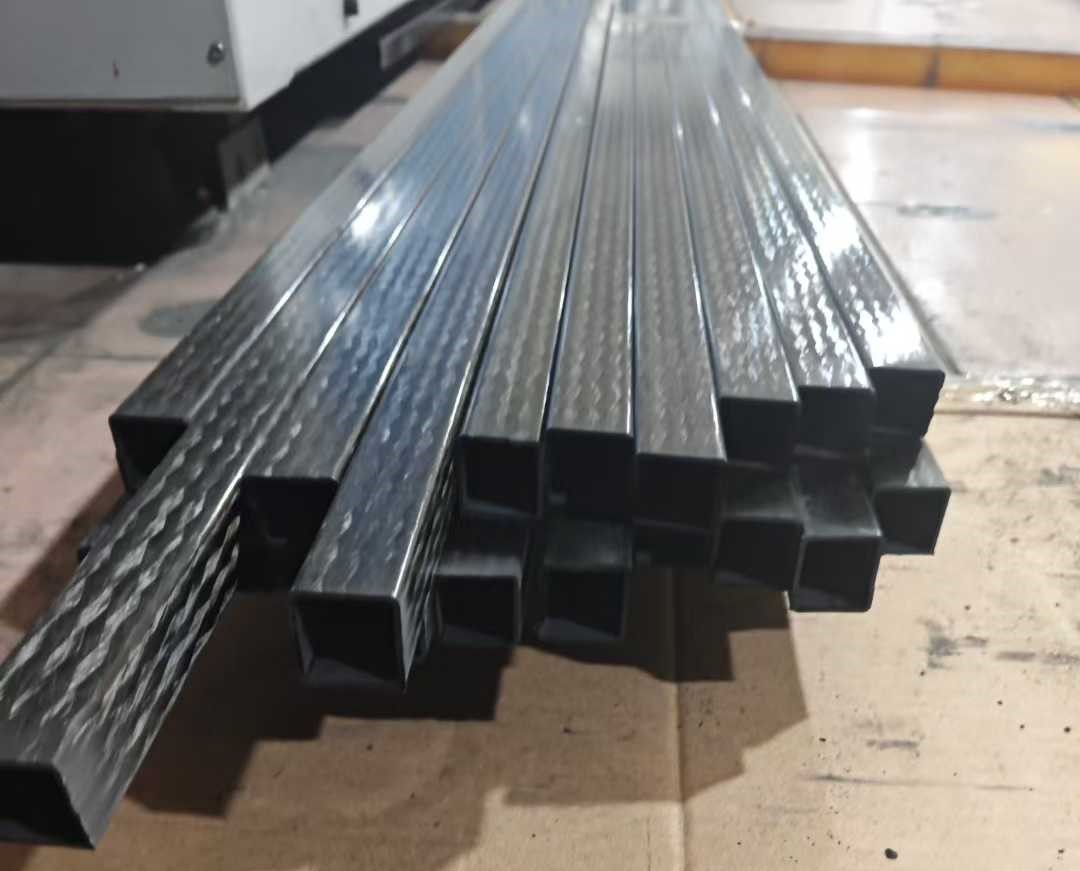
Pultruded profiles arrive with tight tolerances. That consistency simplifies automation. CNC cutting becomes predictable. Bond lines stay uniform. Fastener torque remains repeatable. Because of this drone OEMs reduce rework rates. Square profiles also nest well during shipping. Storage density improves. Logistics costs drop quietly yet significantly. These downstream savings often justify higher raw material pricing.
Implementation Framework for Drone Manufacturers
Start with load mapping across flight envelopes. Identify axial dominant members. Substitute those with pultrudert karbonfiberrør sections first. Next redesign joints using adhesive bonding rather than clamps. Validate vibration response through ground testing. Finally scale production gradually. Early adopters often retrofit existing frames before full redesign. This phased approach limits risk while unlocking performance gains quickly.
Testing and Validation Strategies for Carbon Fiber Square Tube Frames
Static pull tests verify axial strength. Modal analysis checks vibration response. Drop tests simulate crash energy paths. Environmental cycling exposes resin behavior. Because composites behave differently than metals testing must reflect real flight profiles. Drone manufacturers who invest early in validation shorten certification later. Firkantede karbonfiberrør respond predictably when loads stay aligned with fibers which simplifies analysis.
Cost Efficiency and Lifecycle Benefits
Initial material cost appears higher. However lifecycle math tells another story. Reduced maintenance fewer replacements and longer fatigue life offset pricing. Weight savings also allow smaller motors or batteries. That system-level optimization cuts bill of materials elsewhere. Over fleet scale firkantede rør av karbonfiber often lower total ownership cost rather than increase it.
Sustainability and Material Responsibility
Carbon fiber recycling remains imperfect yet progress accelerates. Manufacturers now reclaim offcuts for secondary components. Pultrusion generates minimal waste compared with layup. Square profiles maximize fiber utilization within bounding boxes. As sustainability metrics grow stricter these factors influence procurement decisions. Drone OEMs increasingly consider embodied energy alongside performance.
Future Trends in Drone Frame Architecture
Hybrid frames combining pultruded spines with localized woven joints emerge rapidly. Smart materials embed sensors within pultrudert karbonfiberrør walls. Square geometry supports such integration more easily than round forms. As autonomy expands structural health monitoring becomes standard. Carbon fiber enables that evolution without major mass penalties.
Final Recommendation for Drone Manufacturers
Drone manufacturers chasing efficiency should evaluate firkantede rør av karbonfiber early rather than late. Pultruded variants offer consistency stiffness and scalable production advantages. While joint design demands care benefits outweigh challenges. With thoughtful implementation OEMs unlock longer flight times cleaner data and stronger frames. Structural efficiency no longer depends on heavier metal. It now depends on smarter geometry and fiber alignment.