
 Norwegian
 English
 German
 Czech
 Spanish
 Hebrew
 French
 Danish
 Portuguese
 Dutch
Innholdsfortegnelse
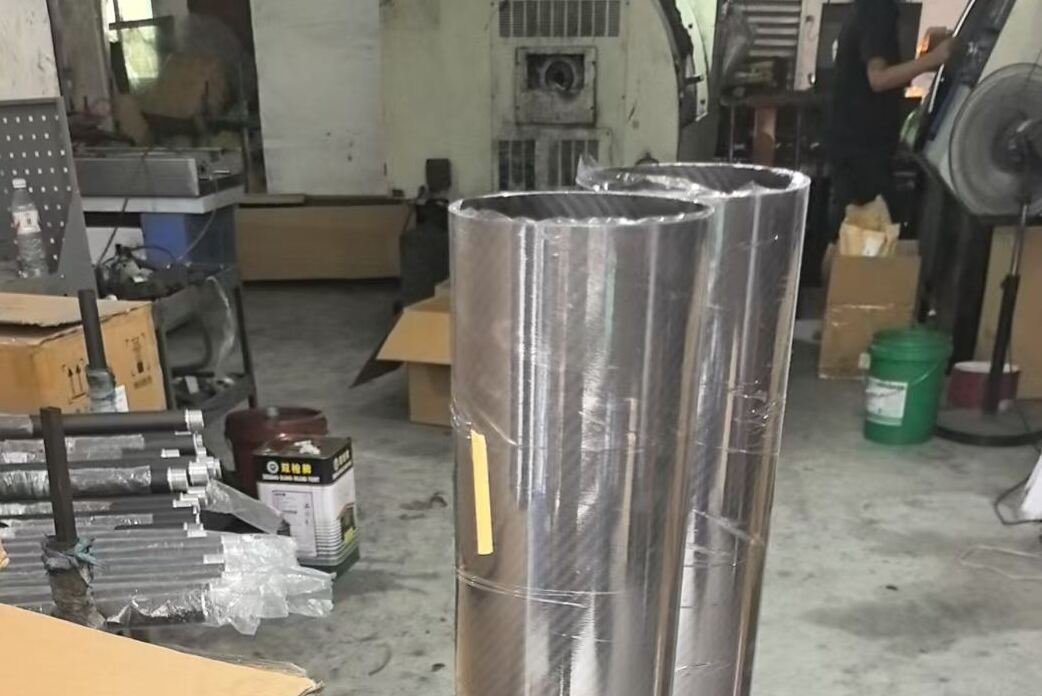
Du sender en forespørsel til fem selskaper om et parti med karbonfiberrør. Alle fem svarer innen en dag. Alle fem sender produktbilder som ser like ut, lignende prisintervaller og lignende løfter om kvalitet.
Deretter stiller du ett spørsmål: “Kan vi ha en videosamtale for å se produksjonsgulvet deres?”
To av dem sier ja med en gang. To bruker tre dager på å svare og omberammer til slutt. Én svarer aldri direkte på det spørsmålet igjen.
Dette er vanligvis øyeblikket der kjøpere innser at ikke alle de snakker med, faktisk er en fabrikk. Noen er leverandører av karbonfiberrør med reelle produksjonslinjer. Andre er handelsselskaper — salgskontorer som videresender bestillingen din til en fabrikk og håndterer relasjonen i mellomtiden. Begge kan skaffe deg et produkt. Men opplevelsen, prisen og hva som skjer når noe går galt, kan se svært forskjellig ut avhengig av hvilken av dem du faktisk har med å gjøre.
Hvorfor kjøpere ofte ikke kan skille en leverandør fra et handelsselskap
Nettsteder gjør ikke dette enkelt. Et handelsselskap kan bruke de samme arkivbildene, det samme “vår fabrikk”-språket og den samme produktkatalogen som en ekte produsent. Noen leier til og med et lite lagerlokale og fotograferer det for å få det til å se ut som et produksjonsanlegg.
Dette er ikke alltid uærlig — noen handelsaktører er åpne om rollen sin, og det er greit. Problemet dukker opp når et selskap antyder at det produserer produktet, men ikke kan svare på grunnleggende spørsmål om prosessen når du går i dybden. En kjøper som skaffer 500 enheter av tilpasset karbonfiberrør finner ikke ut sannheten før leveringstidene glir ut eller et parti kommer tilbake med ujevn kvalitet, og innen da er depositumet allerede borte.
Relaterte artikler:
Hvordan kontrollere isolasjonen i glassfiberrør for barrierer
Hvilken prosess er bedre for et tynnvegget karbonfiberrør?
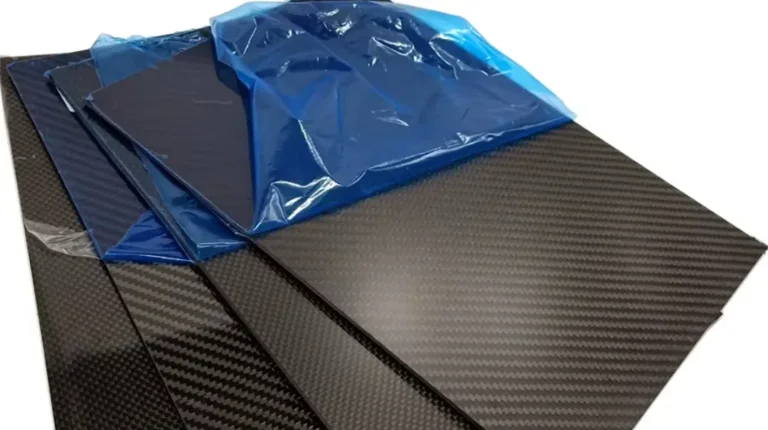
Karbonfiberplater for CNC-skjæring: Veiledning for kantfeil
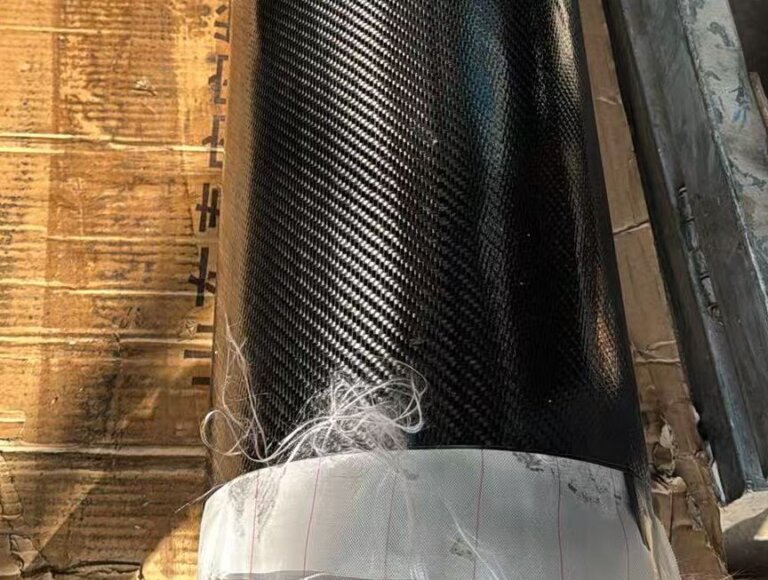
Hvordan bør kjøpere vurdere MOQ og enhetskostnader for dronerammer i karbonfiber
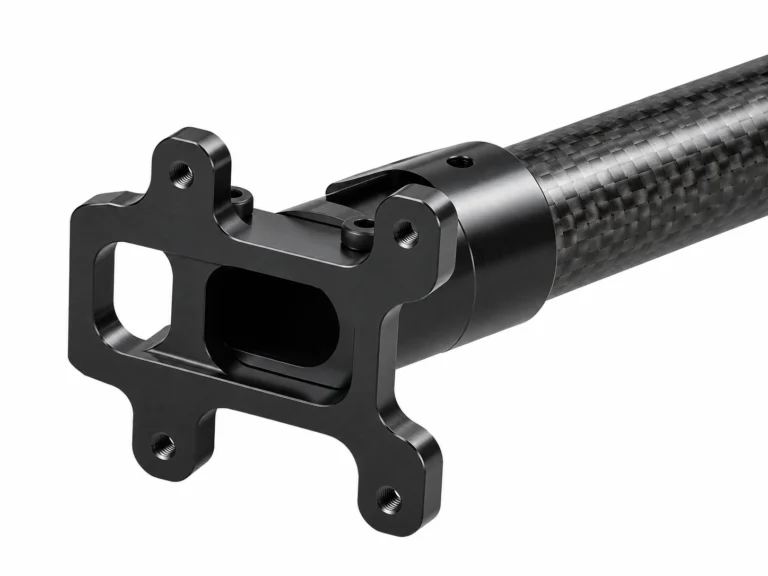
Hvordan vurdere kvalitetskontroll for karbonfiberkomponenter til droner
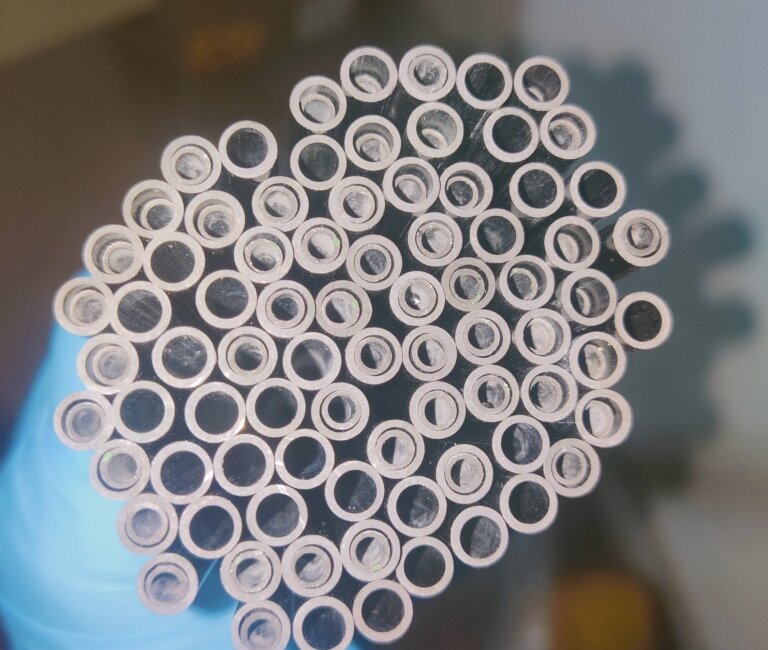
Hvordan verifisere dimensjonene til karbonfiberrør for UAV-er
Who Actually Makes Your Carbon Fiber Pipe?
A real carbon fiber pipe supplier owns the equipment — mandrels, winding or roll-wrapping machines, curing ovens, cutting and finishing tools. They control the fiber layup, the resin ratio, and the curing schedule directly. If your drawing calls for a specific wall thickness or fiber orientation, the engineer answering your email is the same person who can adjust the production line.
A trading company controls none of this. They place your order with a factory, sometimes one they’ve never visited, and relay your specifications and questions back and forth. This works fine when the order is simple and the factory is reliable. It becomes a problem when your project needs technical back-and-forth — tolerance adjustments, material substitutions, or a rushed change to a drawing mid-production.
One buyer sourcing tapered carbon fiber tubing for a robotics arm project found this out the hard way. His trading company contact kept saying “no problem” to every technical question, but the factory behind them had never made a tapered profile before. The first batch came back with inconsistent wall thickness along the taper — a mistake a direct supplier’s engineer likely would have flagged before production started.
Price, Communication & Quality Control: How the Two Compare
Price. A trading company adds a margin on top of the factory’s price, usually somewhere between 10% and 30%, depending on order size and relationship. A direct supplier skips that markup — but not always. Some suppliers price higher for small orders or first-time buyers, so it’s worth comparing actual quotes rather than assuming direct is always cheaper.
Communication. With a supplier, your questions go straight to someone involved in production. With a trader, questions pass through a middleman first, which adds delay — especially across time zones. A same-day answer can turn into a two- or three-day wait.
Quality control. This is where the gap matters most. A supplier controls the process end to end, so if a batch fails testing, they know exactly why and can fix it at the source. A trader has to relay the problem to the factory, wait for their response, and pass it back to you — often with less technical detail than you’d get directly.
None of this means trading companies are a bad choice. For buyers who need help navigating a foreign market, want a single point of contact across multiple product types, or are placing a small one-time order, a trader can genuinely simplify things. The issue is only when you think you’re buying direct and you’re not.
What Happens When Something Goes Wrong?
This is the real test. A defective batch, a missed tolerance, a shipment that doesn’t match the approved sample — every buyer eventually deals with one of these.
With a direct supplier, the conversation usually starts with “let’s look at the production data together.” They can pull the batch records, check the resin cure log, and tell you exactly where the deviation happened. Fixes tend to move faster because there’s no third party relaying information.
With a trading company, the same issue often means waiting for them to escalate to the factory, get an explanation, and translate it back to you. Some traders handle this well and take ownership on your behalf. Others become slower and less transparent exactly when you need clarity the most — because they’re now managing a problem they didn’t create and don’t fully control.
Before you place a large order, it’s worth asking upfront: “If there’s a quality issue, how do we resolve it, and how fast?” The answer tells you a lot about who you’re really working with.
How to Verify If You’re Talking to a Real Carbon Fiber Pipe Supplier
A few direct questions usually clear this up fast:
Ask for a live video call showing the actual production floor — not a pre-recorded video. Ask who signs the business license, and check whether the name matches your invoice. Ask a specific process question, like which winding angle they use for torsional loads, or how they control resin content during roll-wrapping. A real supplier answers without hesitation. A trader either passes the question along or gives a vague, general answer.
None of this is about distrust for its own sake. It’s about knowing who you’re actually building a relationship with, so you can plan your project — and your backup options — accordingly.
Both suppliers and trading companies have a place in the market, and the right choice depends on your order size, your need for technical support, and how much direct control you want over production. What matters most is knowing which one you’re actually working with before you commit. A company willing to show you its production floor, explain its process in detail, and take direct responsibility for quality is usually the safer long-term partner — whether you’re placing a single prototype order or scaling into full OEM production.
Carbon Fiber Pipe
Supplier FAQs
Answers to common questions about buying carbon fiber pipe from a direct manufacturer or trading company.
Not necessarily — trading companies can be useful for small orders or when you need help with language barriers. The risk comes when a trader presents itself as a factory without disclosing it.
Ask for a live video tour of the production floor, request their business license, and ask specific process questions. A trading company usually cannot answer detailed manufacturing questions.
Usually yes, since there is no markup from a middleman. However, pricing also depends on order volume, customization, and production capacity.
Often, yes. Messages typically pass through the trader before reaching the factory, which can slow down quotes, technical clarifications, and issue resolution.
Yes, if they work with a reliable factory. The key is transparency — ask who actually manufactures the product and whether you can contact them directly if needed.
Ask about their manufacturing process, minimum order quantity, lead time, and whether they can provide test reports from actual production batches.