
 Dutch
Dutch  English
  German
  Japanese
  Arabic
  Czech
Czech  Spanish
  French
  Italian
  Danish
  Polish
  Portuguese
  Norwegian
Inhoudsopgave
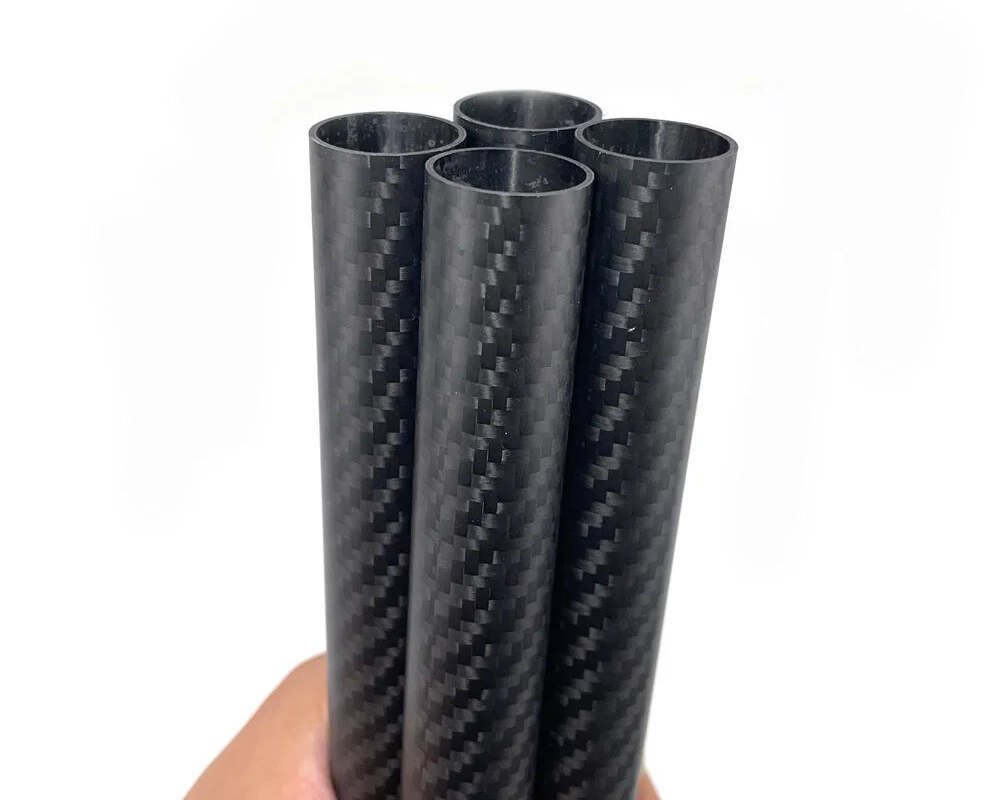
Carbon Fiber Spar Tube: A recent inquiry came in for a lightweight UAV/glider build — four tube sizes, five pieces total, with a clear note that the largest tube would serve as the primary spar and needed to be roll-wrapped or prepreg construction. The request also asked for item pricing, total price, shipping, lead time, delivery estimate, and confirmation of the construction method. It’s a good example of what a well-formed custom tube quote request looks like, and what goes into answering it properly.
The Order at a Glance
- 1 × 16mm OD × 14mm ID × 2500mm
- 1 × 16mm OD × 14mm ID × 730mm
- 1 × 6mm OD × 4mm ID × 2500mm
- 2 × 8mm OD × 6mm ID × 500mm
Four different sizes, five pieces, one order. This is a common pattern for UAV and glider builds — a single airframe usually needs a mix of structural and secondary tubing, not just one uniform size.
Gerelateerde artikelen:
Carbon Fiber Tube for UAV Antenna Placement & GNSS Design
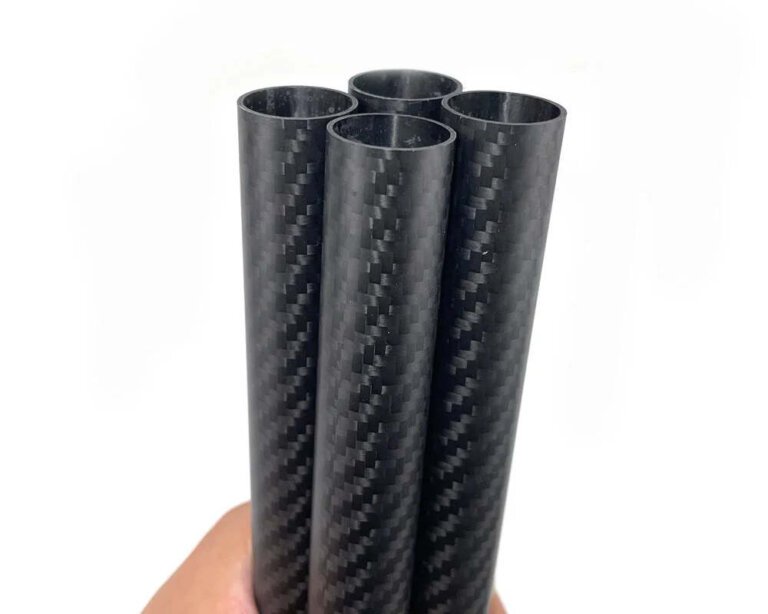
Multi-Size Carbon Fiber Tube Order for a UAV Glider Build
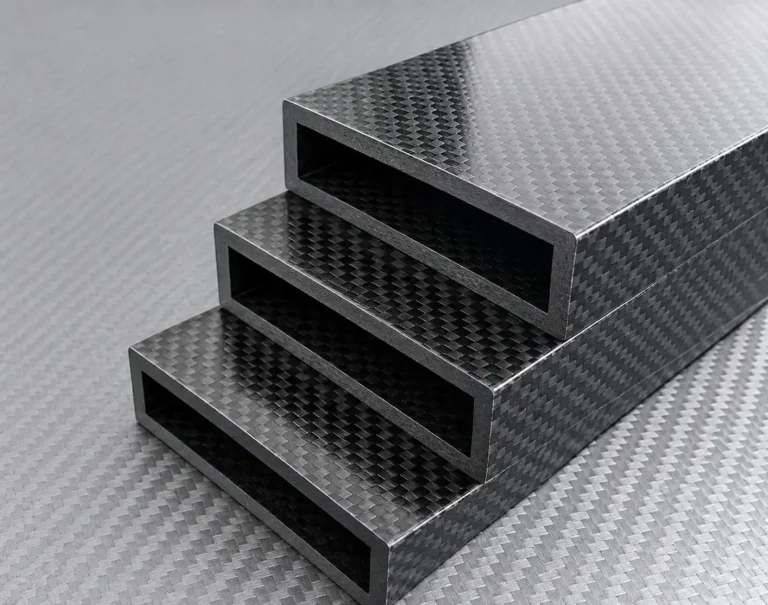
Carbon Fiber Rectangular Tube for Lightweight Rover Robotic Arms
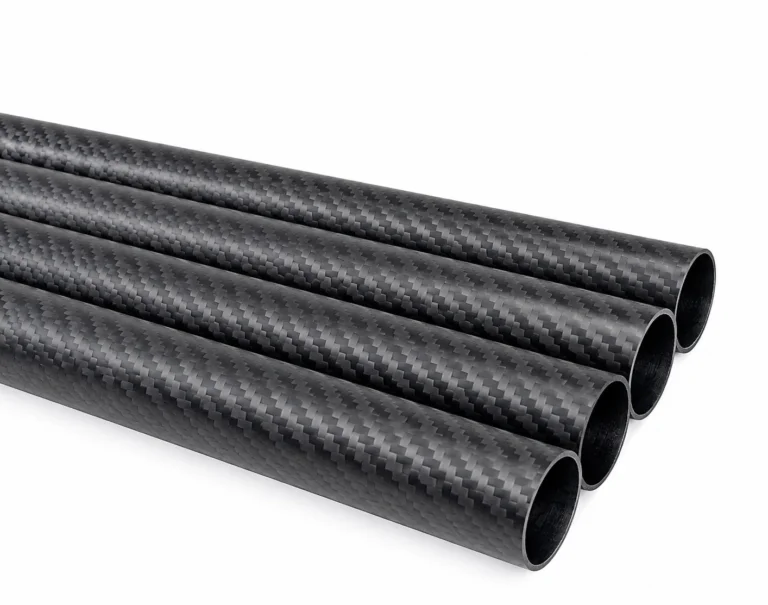
T800 Carbon Fiber Tube for Wind Tunnel Testing
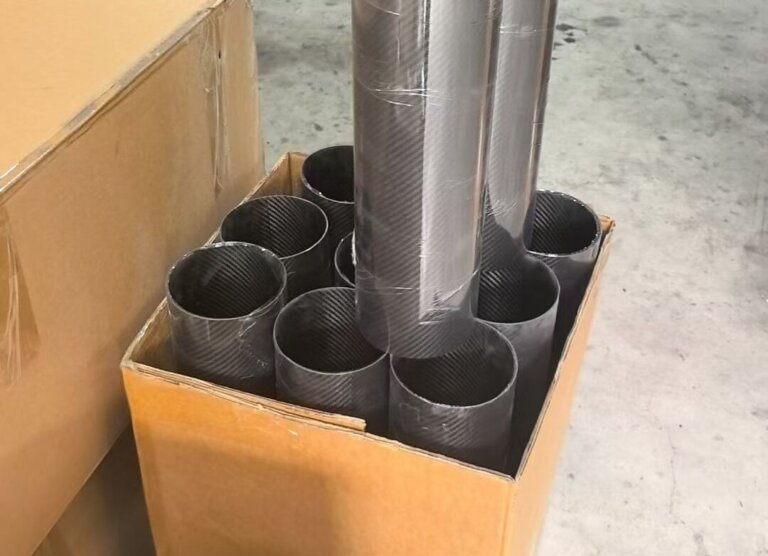
Small Batch Carbon Fiber Pipe Orders: Can You Buy Just a Few Pieces?
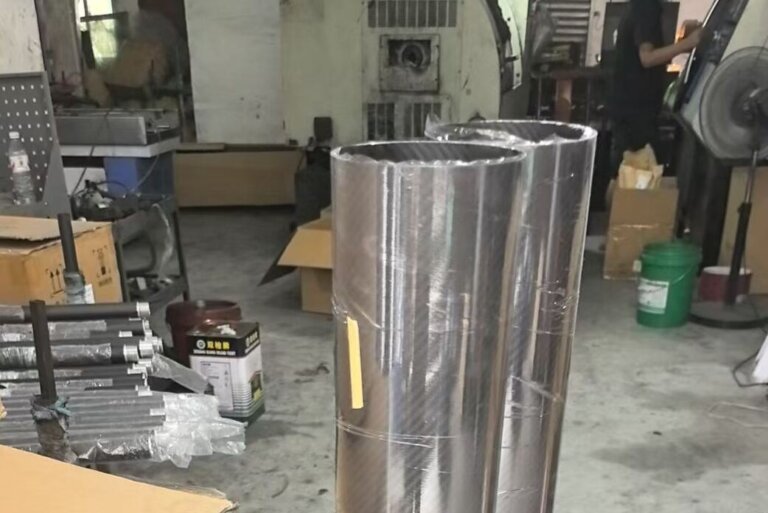
Carbon Fiber Pipe Supplier vs Trading Company: What’s the Difference?
Why the Primary Spar Gets a Different Construction Call
The 16mm tube specified for the primary spar is the part carrying the main bending load across the wing. For that role, roll-wrapped or prepreg construction is the right call because both methods produce a tube with controlled fiber orientation and consistent wall thickness along its length — properties that matter directly for bending stiffness and fatigue resistance under repeated flight loads. Roll-wrapping uses pre-impregnated sheet rolled around a mandrel, giving good control over fiber angle and wall build-up; true prepreg autoclave cure adds tighter resin content control, which can matter for higher-performance builds but usually comes with a longer lead time and higher cost.
A pultruded tube, by comparison, is fast and economical but typically runs unidirectional fiber only, which works well for straight tensile or compressive load but isn’t always the best match for a spar that also sees bending and some torsion in flight.
Primary Spar vs. Secondary Tubing: Different Loads, Different Requirements
The other three sizes in this order — the shorter 16mm tube and the smaller 6mm and 8mm tubes — are more likely playing a secondary role: tail booms, control rod housings, or frame supports. These parts still need consistent wall thickness and good surface quality, but they aren’t necessarily carrying the same bending load as the main spar, so the construction requirement can be more flexible. This is a useful distinction for anyone speccing a build: not every tube in the airframe needs the same fiber layup, and matching construction method to load case avoids paying for more than the part actually needs.
How a Mixed-Size Order Gets Priced
Pricing on an order like this comes down to a few factors for each size: wall thickness relative to OD/ID, length, construction method, and quantity. A 2500mm tube naturally costs more than a 500mm tube of similar diameter, and a roll-wrapped or prepreg spar tube typically carries a higher per-piece cost than a pultruded secondary tube of comparable size. Because the sizes differ, each is quoted individually and then summed into a total — there’s no single per-meter rate that applies across a mixed order like this. Tooling reuse (mandrels already sized close to the requested OD) can help keep smaller quantities affordable, which matters for a build that only needs one or two pieces of each size.
Lead Time and Shipping for Small, Mixed Orders
Custom sizes — especially a spar-length tube at 2500mm — usually mean production lead time rather than stock shipping, since standard inventory doesn’t always cover every OD/ID/length combination. Shipping cost and transit time depend on tube length as much as weight; a 2500mm tube needs a shipping box or tube sized to match, which affects freight options more than the actual weight of the part does. Getting an accurate lead time and delivery estimate usually requires the full spec list up front, which is exactly what a clear RFQ like this one provides.
Getting an Accurate Quote the First Time
Orders like this move faster when the request already separates structural from secondary tubing, as this one did by flagging the spar’s construction requirement directly. That level of detail — sizes, wall requirement, and intended application — lets a quote come back complete on the first pass: pricing per item, total cost, shipping, lead time, and construction confirmation, without a round of follow-up questions.
Carbon Fiber Tubes for UAVs & Gliders
Veelgestelde vragen
Answers to common questions about carbon fiber spar tubes, support tubes, construction methods, sizing, tolerances, and small-batch orders.
Either works well for bending-load spars; prepreg autoclave cure offers tighter resin control at a higher cost, while roll-wrapping is usually faster and more economical for hobby and small-scale builds.
Not necessarily — secondary tubing like tail booms or control rod housings can often use a more economical construction method since the load case is different.
Yes, mixed-size orders are common and are priced per item based on size, wall thickness, and construction method.
It varies by size and construction method; a spar-length tube in roll-wrapped or prepreg construction generally takes longer than smaller pultruded tubing.
Yes, tolerance details are confirmed as part of the quote so there are no surprises on fit.
Each size is priced individually based on length, wall thickness, and construction, then summed into a total for the order.
Yes; for long tubes, shipping cost is driven more by length and packaging than by weight.
OD, ID, length, quantity for each size, and the intended application for any structural piece like a spar.
Small orders like a single spar plus a few support tubes are common and don't require a large minimum.
Yes, this is typically confirmed in the quote before production begins.