
 English
  German
  Japanese
  Arabic
  Czech
Czech  Spanish
  French
  Italian
  Danish
  Polish
  Portuguese
  Norwegian
  Dutch
Dutch 
Table of Contents
Introduction
An engineering team in Germany is redesigning an industrial automation cell. The original aluminum frame meets strength requirements, but the weight and corrosion resistance are becoming real problems on the factory floor. The team starts evaluating a carbon fiber fabric tube solution—not because it looks high-tech, but because lighter structures improve efficiency, reduce maintenance, and simplify installation.
This scenario is repeating across Europe. As manufacturers push for lighter, more durable systems, the demand for composite materials continues to rise.
Understanding Europe’s Composite Manufacturing Industry
Europe remains one of the world’s leading regions for advanced composite manufacturing. Countries including Germany, France, Italy, and the United Kingdom continue to invest heavily in aerospace, industrial automation, renewable energy, and electric vehicle production. These industries rely on composite materials to reduce weight while maintaining exceptional mechanical performance.
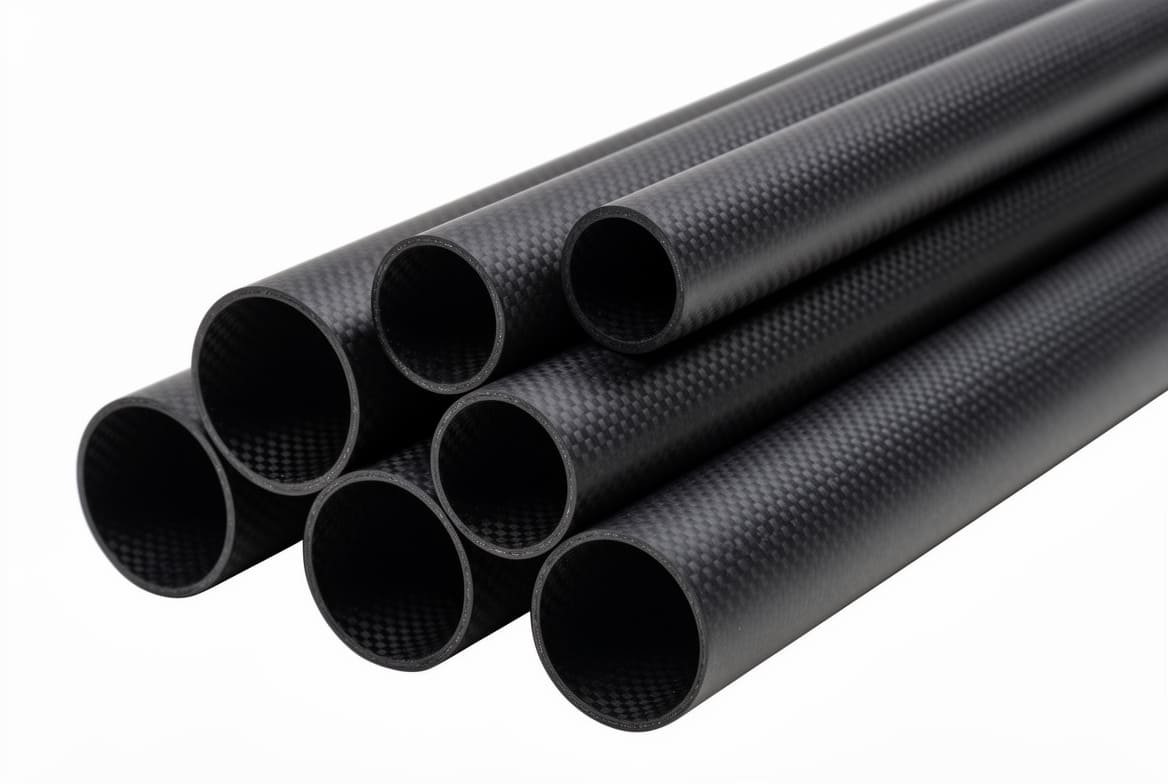
Unlike traditional metals, composites provide excellent corrosion resistance, fatigue performance, and design flexibility. Products such as carbon fiber fabric tube, carbon fiber sheet, and carbon fiber plate are now standard engineering materials rather than niche alternatives. As manufacturers focus on improving efficiency and lowering lifecycle costs, demand for high-performance composite components continues to rise.
Related articles:
How to Choose the Right 4 Inch Carbon Fiber Tube for Your Project
Why Carbon Fiber Drone Tubes Are Essential for Modern UAVs
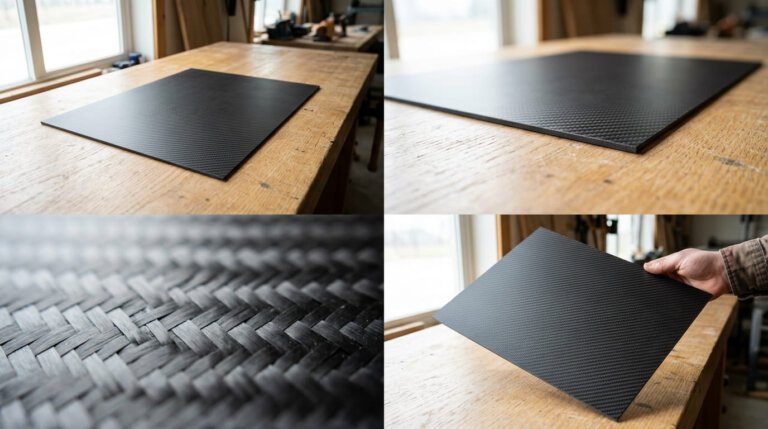
How to Find Aerospace-Grade Sheets Without Long Lead Times
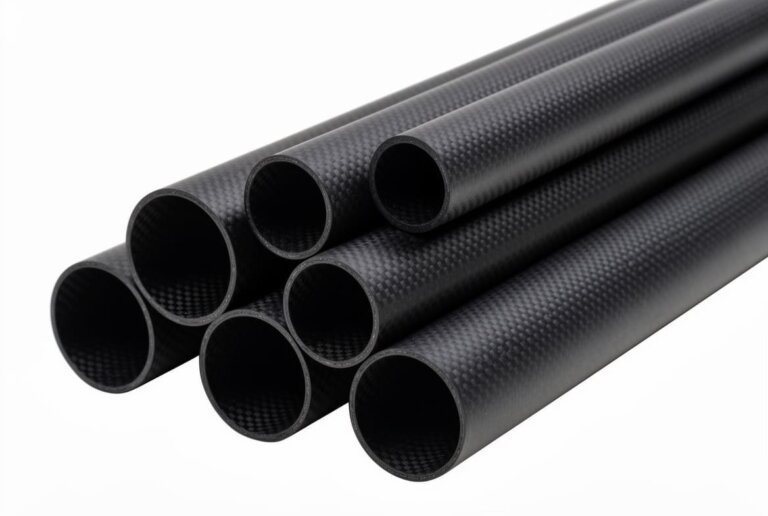
Carbon Fiber Tube in Europe’s Composite Industry | Market Trends In 2026
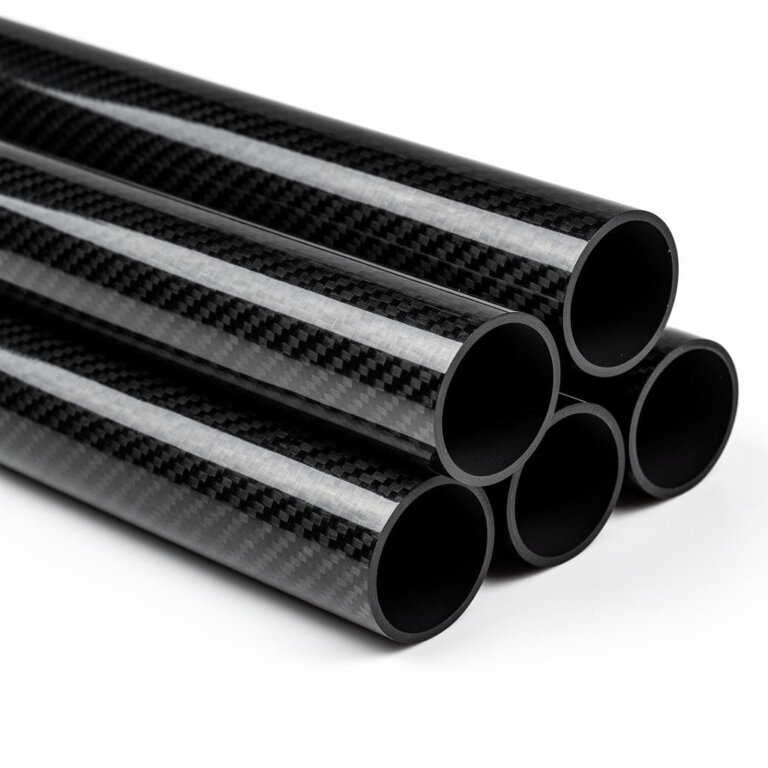
How to Request a Quote for a Single Custom Carbon Fiber Tube
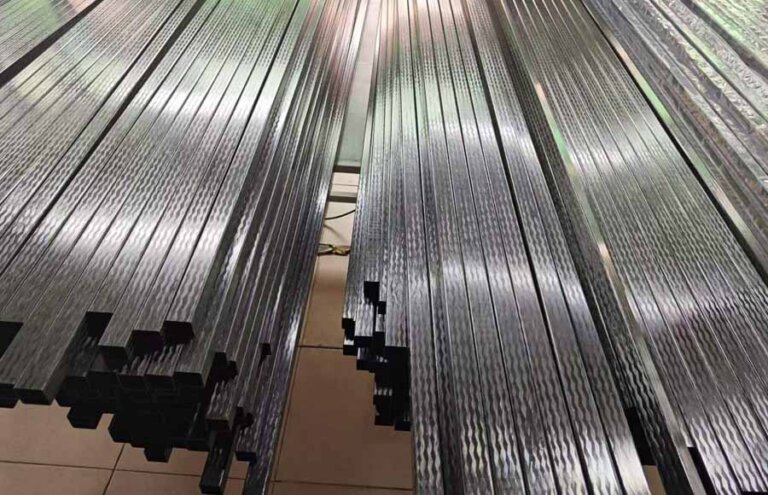
Carbon Fiber Production: What Buyers Should Know Before Choosing
Why Europe’s Composite Industry Is Increasing Demand for Carbon Fiber fabric tube
Weight reduction has become a major design priority across European manufacturing. Every kilogram removed from an aircraft, electric vehicle, or industrial robot improves efficiency and reduces operating costs.
A carbon fiber fabric tube offers an outstanding strength-to-weight ratio, making it an ideal replacement for aluminum and steel in structural applications. Engineers also appreciate its high stiffness, corrosion resistance, and dimensional stability.
Industries driving this demand include:
- Aerospace structures and UAVs
- Electric vehicles and battery systems
- Industrial automation equipment
- Medical devices
- Robotics and precision machinery
For many OEM manufacturers, pultruded carbon fiber tube provides excellent axial strength and consistent dimensions, while custom carbon fiber tube solutions allow engineers to optimize complex designs without increasing overall weight.
Carbon Fiber fabric tube Applications Across Europe’s Fastest-Growing Industries
The rapid growth of Europe’s electric vehicle market has accelerated the adoption of lightweight composite materials. Carbon fiber tubes are increasingly used in battery supports, structural frames, and thermal management systems to improve energy efficiency.
Renewable energy is another important market. Wind turbine manufacturers rely on composite materials because they deliver high strength while resisting harsh environmental conditions. Carbon fiber tubes are commonly used in lightweight support structures and specialized mechanical systems.
Industrial automation also continues to create new opportunities. Modern robotic equipment requires components that remain rigid under continuous movement. Carbon fiber tubes help improve positioning accuracy while reducing moving mass, increasing both productivity and equipment lifespan.
Alongside tubes, manufacturers often integrate carbon fiber sheet, carbon fiber plate, and carbon fiber fabric to create complete lightweight structural assemblies.
Composite Manufacturing Trends Are Changing Carbon Fiber fabric tube Production
As demand grows, manufacturers are investing in more advanced production technologies. Automated pultrusion, CNC machining, precision cutting, and stricter quality inspection systems have significantly improved consistency across production batches.
Material traceability has also become increasingly important. Buyers now expect suppliers to provide stable raw material sources, dimensional accuracy, and repeatable mechanical performance. Small differences in fiber quality, resin systems, or curing conditions can directly affect the strength and durability of a finished carbon fiber tube.
Sustainability is another key trend. Many manufacturers are reducing production waste, improving energy efficiency, and exploring recyclable composite materials to support long-term environmental goals.
Choosing the Right Carbon Fiber Tube Manufacturer
Selecting a supplier involves much more than comparing prices.
A lower quotation may reflect differences in raw materials, manufacturing processes, or quality control standards.
Custom engineering support, production capacity, and delivery reliability also play a critical role in long-term project success.
Key Evaluation Criteria
At CarbonCore Dynamics, every project begins with an engineering review to understand the customer’s application before production starts. By carefully selecting raw materials, maintaining strict quality inspections, and supporting custom manufacturing, we help customers reduce production risks and achieve consistent product performance.
As Europe’s composite manufacturing industry continues to expand, companies that choose experienced engineering partners will be better positioned to develop lighter, stronger, and more reliable products while maintaining long-term supply chain stability.