
 English
 German
 Czech
 Spanish
 Hebrew
 French
 Danish
 Portuguese
 Norwegian
 Dutch
Table of Contents
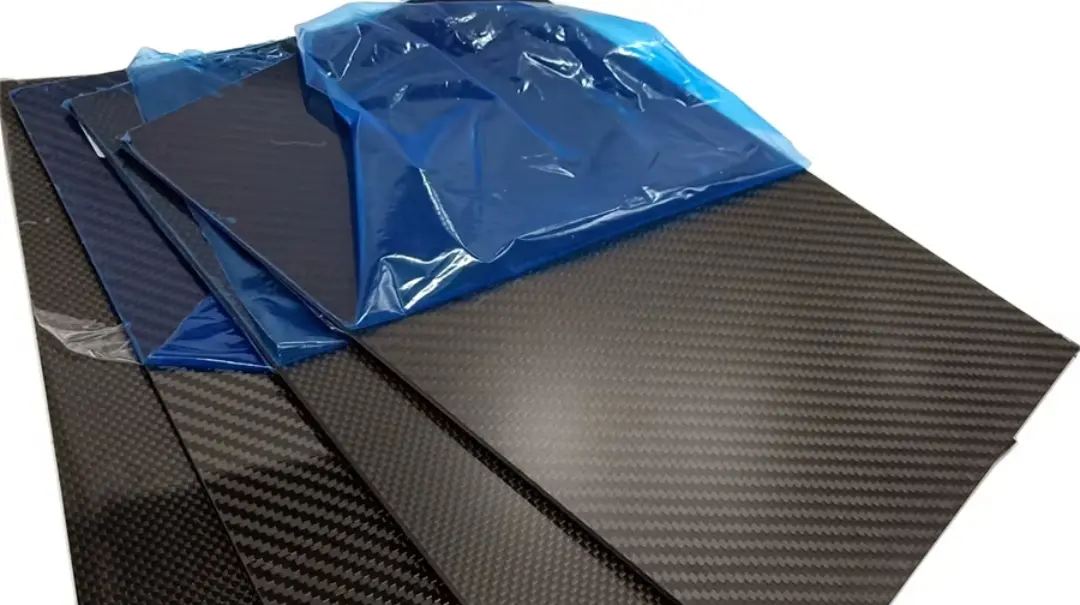
Understanding Three Common Cutting Defects
Related articles:
Carbon Fiber Sheets for CNC Cutting: Edge Defects Guide
How Should Buyers Evaluate MOQ and Unit Costs for Carbon Fiber Drone Frames
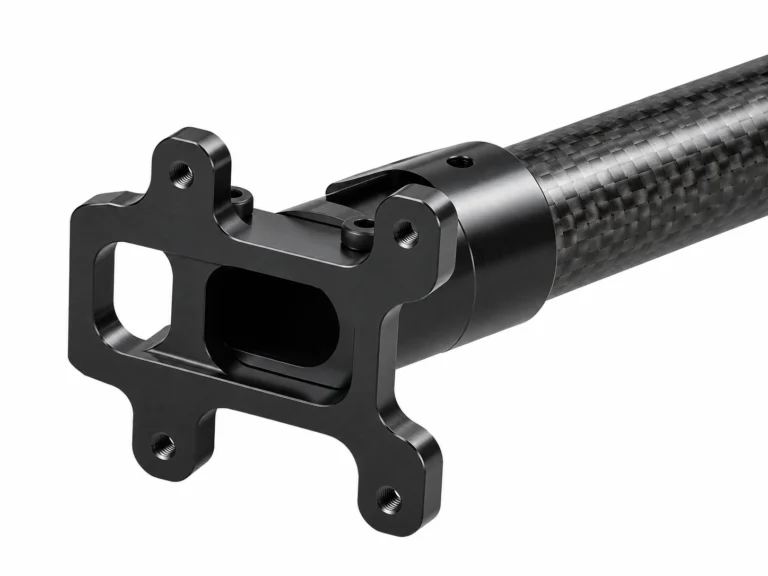
How to Evaluate Quality Control for Carbon Fiber Drone Components
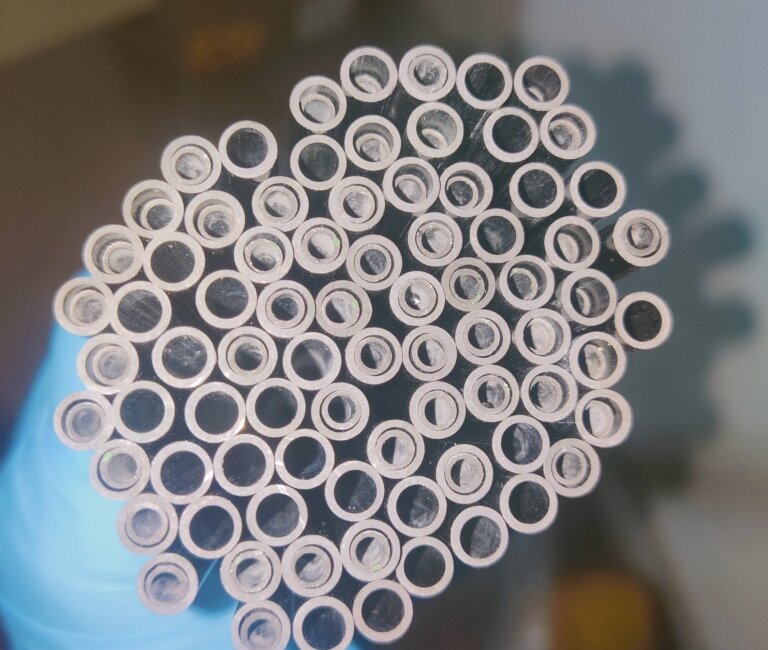
How to Verify Dimensions of Carbon Fiber Tubes for UAVs
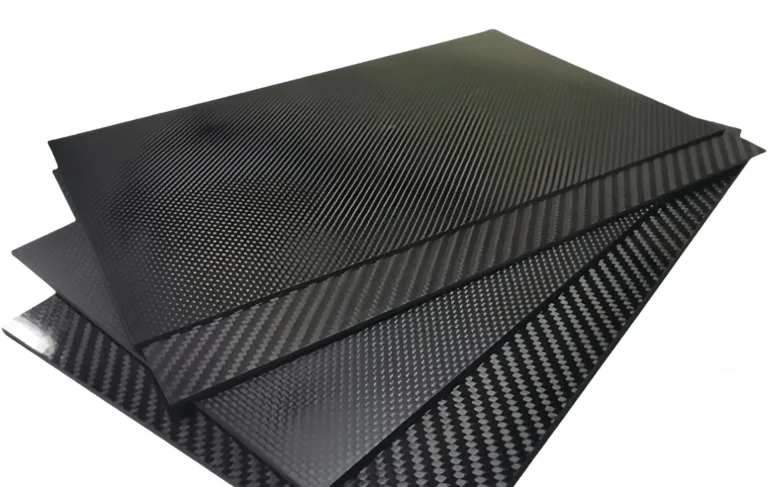
CFRP Sheets for Outdoor Equipment: UV, Moisture and Long-Term Weathering
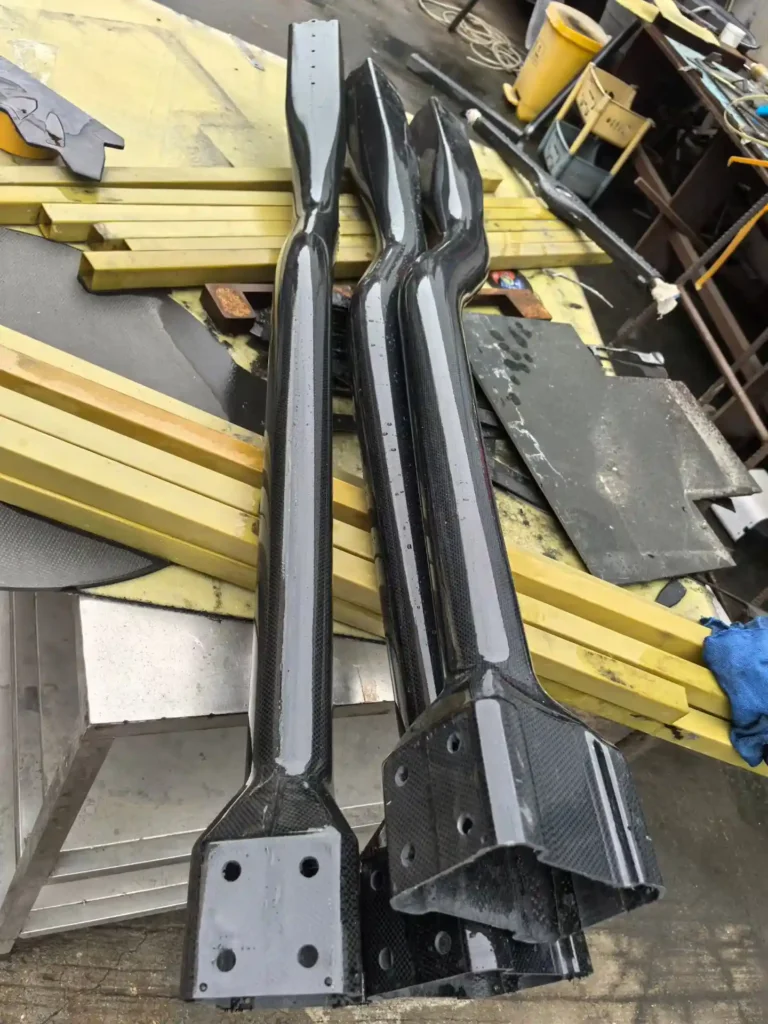
Carbon Fiber Plates for Frames: Prevent Warping After CNC
What Causes Poor Edge Quality?
Even high-quality carbon fiber sheets for CNC cutting can develop edge defects if the machining process is unsuitable. The main contributing factors include:
Laminate Quality
Incomplete fiber wet-out, uneven resin distribution, weak interlaminar bonding, or inconsistent consolidation may reduce edge integrity.
Tool Condition and Geometry
A worn cutting edge may tear fibers rather than shear them. Tool geometry must also be appropriate for abrasive CFRP materials.
Cutting Parameters
Excessive cutting forces, unsuitable feeds and speeds, and heat generation can contribute to edge damage. Parameters should be validated for the specific sheet thickness and laminate construction.
Workholding and Support
Vibration, movement, or inadequate support near the cutting zone can increase stress on the laminate, especially around the exit side of the cut.
Tool Engagement and Cutting Strategy
Entry, exit, and changes in cutting direction can place different loads on the fibers and influence edge quality.
Because these factors interact, a visible defect should not automatically be attributed to the sheet alone.
How Buyers Can Run a Meaningful Cutting Test
What Causes Poor Edge Quality?
Even high-quality carbon fiber sheets for CNC cutting can develop edge defects if the machining process is unsuitable. The main contributing factors include:
Laminate quality
Incomplete fiber wet-out, uneven resin distribution, weak interlaminar bonding, or inconsistent consolidation may reduce edge integrity.
Tool condition and geometry
A worn cutting edge may tear fibers rather than shear them. Tool geometry must also be appropriate for abrasive CFRP materials.
Cutting parameters
Excessive cutting forces, unsuitable feeds and speeds, and heat generation can contribute to edge damage. Parameters should be validated for the specific sheet thickness and laminate construction.
Workholding and support
Vibration, movement, or inadequate support near the cutting zone can increase stress on the laminate, especially around the exit side of the cut.
Tool engagement and cutting strategy
Entry, exit, and changes in cutting direction can place different loads on the fibers and influence edge quality.
Because these factors interact, a visible defect should not automatically be attributed to the sheet alone.
Look Beyond the Price per Sheet
Frequently Asked Questions
What causes delamination when CNC cutting carbon fiber sheets?
Delamination occurs when composite plies separate under cutting forces or heat. Common contributors include worn tools, aggressive parameters, inadequate support, excessive tool engagement, and inconsistent laminate consolidation. It often results from a combination of material and machining factors.
Is fraying always a sign of poor-quality carbon fiber sheets?
No. Dull tools, unsuitable tool geometry, unsupported fibers, and inappropriate cutting parameters can also cause fraying. However, severe or repeated fraying under controlled conditions may indicate problems with fiber wet-out, resin distribution, or interlaminar bonding.
How can fiber pull-out be reduced during CNC routing?
Use a sharp CFRP-appropriate tool, stable fixturing, and adequate support around the cutting area. Validate the cutting parameters through trial cuts and replace tools before excessive wear develops.
What should buyers inspect during a cutting test?
Inspect both sides of the cut for delamination, fraying, loose fibers, and uneven edges. Record the tool, parameters, machining distance, and tool condition, and compare dimensional accuracy alongside visual edge quality.
Can diamond-coated tools completely prevent these defects?
No. Diamond coatings improve wear resistance but cannot compensate for poor laminate bonding, incorrect parameters, or unstable workholding. When purchasing carbon fiber sheets for CNC cutting, buyers should treat tooling as one part of a complete machining system.
Choosing the Right Carbon Fiber Tube Supplier For Your Project
If you are comparing carbon fiber suppliers and noticing unexpected price or performance differences, it is worth taking a closer look at how each manufacturer manages its production process. A brief technical discussion early on can often reveal risks that are not visible in a quotation.
The engineering team at CarbonCore Dynamics is available to review your drawings, materials, and performance requirements before production begins—helping you avoid costly revisions and ensuring the final product meets real-world demands.