
 English
 German
 Czech
 Spanish
 Hebrew
 French
 Danish
 Portuguese
 Norwegian
 Dutch
Table of Contents
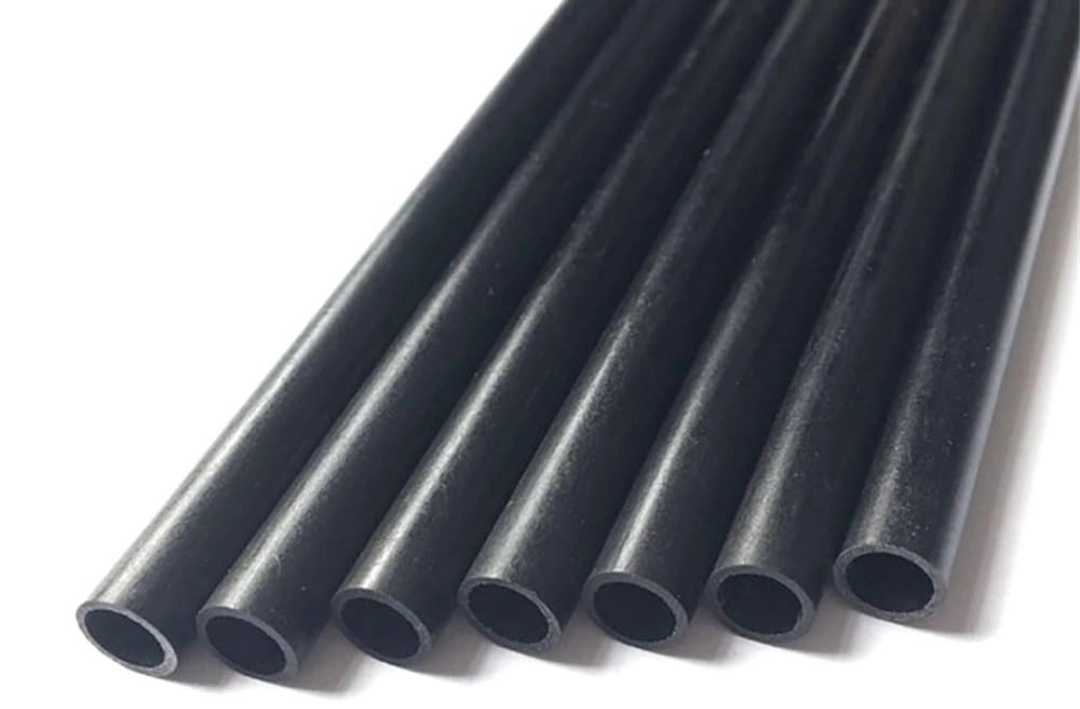
Fiberglass is often considered for barrier arms when electrical insulation is important. But the material name alone does not confirm that a finished part or complete installation will meet a particular insulation requirement. Buyers should define the application conditions, request relevant test information, and consider fittings and the assembled barrier as well as the tube.
Why Insulation Matters in Automatic Barriers
An automatic barrier may be installed near electrical equipment, control systems, or exposed outdoor areas. Buyers should clarify what “non-conductive” means for their application and whether a specific insulation level or test method is required.
Do not assume that a tube is suitable for electrical isolation based only on its appearance or material description. Confirm the requirement with the barrier designer or a qualified electrical professional.
Related articles:
How to Verify Insulation in Fiberglass Barrier Tubes
Which Process Is Better for a Thin Wall Carbon Fiber Tube?
Carbon Fiber Sheets for CNC Cutting: Edge Defects Guide
How Should Buyers Evaluate MOQ and Unit Costs for Carbon Fiber Drone Frames
How to Evaluate Quality Control for Carbon Fiber Drone Components
How to Verify Dimensions of Carbon Fiber Tubes for UAVs
Fiberglass Tubes for Automatic Barriers: Material Basics
Fiberglass composite tubes are made from glass fibers combined with a resin system. Their electrical behavior can depend on the materials, manufacturing process, surface condition, moisture exposure, and any conductive additions or contamination.
When evaluating fiberglass tubes for automatic barriers, ask the supplier to identify the material construction and clarify whether the quoted product has been tested for the intended electrical use. A general product datasheet may not cover the exact tube size, finish, or operating environment.
How to Define Electrical Requirements
Before requesting a quote, describe where and how the barrier will be used. Include relevant operating conditions, such as indoor or outdoor installation, expected moisture exposure, temperature range, and nearby electrical systems.
If a standard, test voltage, or acceptance threshold applies, include it in the specification. Avoid vague requirements such as “fully insulated” unless the responsible design authority has defined what that means.
Fiberglass Tubes for Automatic Barriers: What to Request from Suppliers
Ask the supplier for available material data, test reports, and details about the tested sample. Check that the report identifies the material, dimensions, conditioning, test method, and results. Confirm whether the data applies to the production tube being quoted or only to a different material or sample.
For custom fiberglass tubes for automatic barriers, also clarify whether coatings, pigments, inserts, or other components could affect the insulation requirement.
How to Review Insulation Test Results
Review test results against the project’s stated criteria, not against a generic claim. Check who conducted the test, which method was used, and whether the sample reflects the expected service conditions.
If the information is incomplete or does not match the intended use, ask the supplier or a qualified testing laboratory what additional evaluation is needed. Do not treat a supplier’s general statement as proof of compliance with an unstated electrical standard.
Check the Full Assembly, Not Just the Tube
The tube is only one part of a barrier arm. Metal brackets, fasteners, wiring, coatings, and mounting hardware may create conductive paths or change the system’s behavior. Review the assembled design and installation details with the appropriate technical specialist.
Where electrical isolation is safety-critical, evaluate fiberglass tubes for automatic barriers as part of the complete assembly and installation, using a suitable test plan.
Fiberglass Tubes for Automatic Barriers
Selecting fiberglass tubes for automatic barriers requires more than checking material specifications. Buyers should consider electrical insulation, environmental exposure, surface condition, fittings, and the performance of the complete barrier assembly. These FAQs explain the key points to review before sourcing fiberglass barrier tubes.
01 Are fiberglass tubes for automatic barriers electrically insulating? +
Fiberglass composites are generally non-conductive, but the finished tube’s suitability depends on its construction, condition, and intended use. Confirm requirements and supporting test information.
02 What test information should buyers request? +
Ask for the test method, sample description, conditioning, measured results, and the criteria used to assess them.
03 Can moisture or surface damage affect insulation? +
It may affect surface condition and performance. Specify expected exposure and ask whether the available test data reflects those conditions.
04 Do fittings or fasteners affect insulation? +
Yes. Metal fittings, fasteners, wiring, and mounting details can affect the electrical behavior of the complete barrier arm.
05 Should buyers test the full barrier assembly? +
If electrical isolation is safety-critical or required by the project, the complete assembly and installation should be evaluated against defined criteria by qualified personnel.
Verify Electrical Insulation Before Choosing Fiberglass Tubes
When sourcing fiberglass tubes for automatic barriers, buyers should turn “non-conductive” into a clear, verifiable requirement. Define the application, review relevant test data, and account for every component in the installed system.