
 French
  English
  German
  Japanese
  Arabic
  Czech
Czech  Spanish
  Korean
  Italian
  Danish
  Polish
  Turkish
  Portuguese
  Russian
  Norwegian
  Dutch
Dutch 
Sélection d'un Panneau en fibre de carbone often creates confusion for engineers buyers and product designers. Many suppliers offer both prepreg and laminated carbon fiber sheets. However differences between these materials influence strength weight cost and manufacturing options. Therefore smart buyers compare production methods carefully before ordering material.
Carbon fiber sheets appear in drones automotive panels sports equipment prosthetics robotics furniture and consumer products. Each application demands slightly different performance behavior. Consequently selecting correct carbon fiber sheet structure prevents later redesign work.
Meanwhile project goals vary widely. Some teams require structural strength under heavy loads. Others simply need visual carbon aesthetics for product branding. In those situations cosmetic laminated carbon fiber sheets may perform well enough. However structural engineering projects often benefit from prepreg construction.
Références :
1. La fibre de carbone idéale pour les drones : Feuilles, matériaux et options
2. Comment couper un tube en fibre de carbone ?
3. Comprendre les essais de dureté et de compression des tubes en fibre de carbone
4. Canne à pêche en fibre de carbone ou en graphite : Laquelle correspond le mieux à vos besoins
Additionally many manufacturers request machining services for carbon fiber panel sheet parts. CNC cutting drilling and shaping influence final component accuracy. Therefore understanding material consistency becomes extremely important.
Another concern involves bonding and installation methods. Adhesive carbon fiber sheets simplify assembly in certain product designs. These materials include adhesive backing layers which attach directly onto surfaces. As a result installation time drops significantly.
Furthermore bending carbon fiber sheet geometry occasionally plays a role during product design. Some engineers need moderate flexibility during assembly. Others require rigid plates with minimal deformation. Both prepreg and laminated panels behave differently under bending stress.
Because of these variables buyers frequently ask one core question. Which option actually fits my project requirements best?
This guide explains practical differences between prepreg carbon fiber sheets and laminated carbon fiber sheets. More importantly it examines performance cost manufacturing processes and real world applications. By understanding these factors you can select carbon fiber sheet material confidently without expensive trial runs.
What Are Carbon Fiber Sheets and Why Carbon Fiber Panel Sheet Materials Matter
Feuilles de fibre de carbone refer to flat composite materials formed by woven carbon fiber fabric combined with resin matrix. This structure creates lightweight panels with exceptional stiffness relative to mass.
Each carbon fiber sheet contains multiple layers of carbon fabric stacked together. Resin binds fibers into rigid composite plate after curing. Therefore finished panel resists deformation while maintaining extremely low weight.
Carbon fiber panel sheet products usually appear in rectangular plates boards or custom machined components. Engineers frequently cut these sheets into brackets covers reinforcement plates or lightweight structural frames.
Types of Carbon Fiber Sheets Used in Manufacturing
Several forms of carbon fiber sheets exist within industrial markets. Each category supports different production methods and application needs.
Prepreg Carbon Fiber Sheets
Prepreg carbon fiber sheets contain carbon fiber fabric pre impregnated with controlled resin content. Manufacturers store prepreg material under refrigerated conditions before curing.
During production fabric layers enter heated molds or press machines. Heat activates resin which then cures into rigid composite plate. Because resin content stays precisely controlled prepreg sheets achieve excellent fiber alignment and structural consistency.
Therefore prepreg carbon fiber panel sheet products often serve aerospace robotics and high performance sporting equipment industries.
Laminated Carbon Fiber Sheets
Laminated carbon fiber sheets follow a simpler manufacturing method. Workers stack dry carbon fiber fabric layers manually or semi automatically. Liquid resin spreads across layers before pressing and curing.
Although this method costs less control over resin distribution varies slightly. Nevertheless laminated carbon fiber sheets still deliver strong structural performance for many industrial applications.
Many decorative carbon fiber panels also use laminated construction.
Adhesive Carbon Fiber Sheets
Adhesive carbon fiber sheets include pressure sensitive adhesive backing attached to carbon fiber panel sheet surface. Engineers frequently apply these materials for cosmetic upgrades or lightweight reinforcement.
Because adhesive layer simplifies installation manufacturers use these sheets in automotive interiors electronics housings and product design applications.
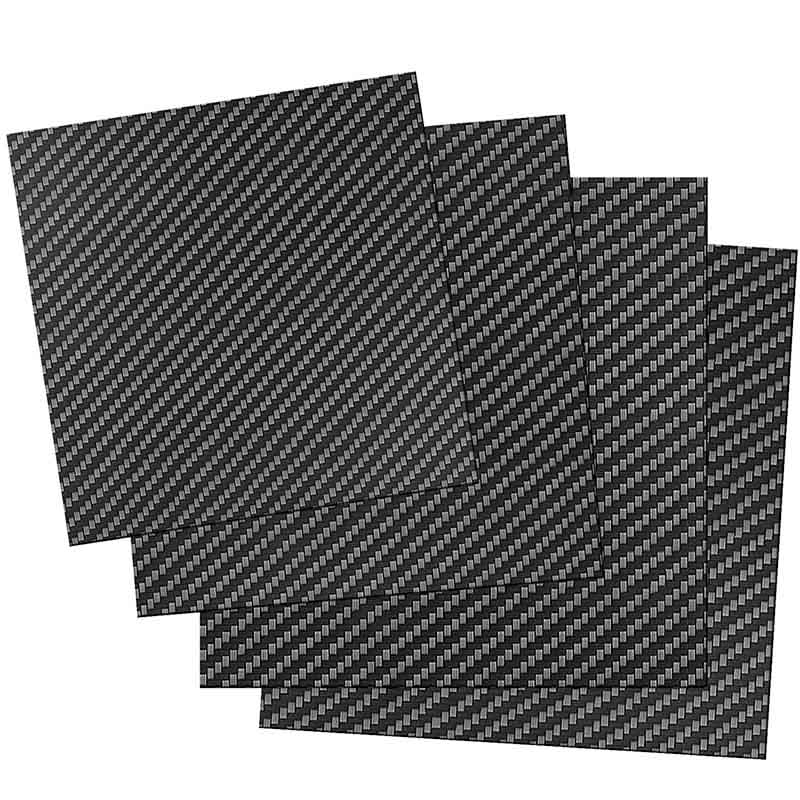
Compared with metals aluminum or steel carbon fiber sheets offer dramatically better strength to weight ratio. Consequently aerospace automotive and robotics industries increasingly favor these materials.
Additionally carbon fiber sheet surfaces often display classic woven texture pattern. This visual appearance communicates high performance engineering which many brands value for product design.
However sheet quality varies depending on manufacturing process. Prepreg carbon fiber sheets follow one method. Laminated carbon fiber sheets follow another.
Understanding these two material types helps buyers match sheet performance with project requirements.
Carbon Fiber Panel Sheet Performance & Quality Comparison
Material performance strongly influences product reliability. Therefore engineers often compare prepreg and laminated sheets across several criteria.
Strength and Fiber Distribution
Prepreg carbon fiber sheets typically achieve higher fiber volume ratio. That means more carbon fiber exists within each panel compared with resin content.
Consequently prepreg sheets usually deliver higher tensile strength and improved stiffness.
Laminated carbon fiber sheets still perform well. However fiber distribution may vary slightly between batches.
Surface Quality
Prepreg carbon fiber sheets often display extremely smooth surface finish. Controlled pressure and resin flow create clean glossy panels.
Laminated carbon fiber sheets may show minor texture variation. Nevertheless many manufacturers polish or coat surfaces for cosmetic uses.
Thickness Consistency
Precision thickness matters during CNC machining operations. Prepreg carbon fiber panel sheet products generally maintain tighter thickness tolerances.
Meanwhile laminated panels sometimes vary slightly depending on layup process.
Weight Efficiency
Higher fiber ratio allows prepreg sheets achieve better stiffness with lower weight. For aerospace or drone projects that difference matters significantly.
However everyday consumer products rarely notice this distinction.
Manufacturing Workflow for Prepreg vs Laminated Carbon Fiber Sheets
Understanding production workflow helps buyers evaluate lead times and pricing.
Prepreg Manufacturing Process
Prepreg sheet production involves several specialized steps.
Carbon fiber fabric receives controlled resin coating during prepreg manufacturing.
Material stores in refrigerated storage before use.
Technicians cut sheets into layup shapes.
Layers stack inside mold under specific orientation angles.
Heat and pressure cure composite panel within autoclave or press.
Because equipment requirements remain complex prepreg production typically occurs within advanced composite factories.
Laminated Carbon Fiber Sheet Manufacturing
Laminated sheet production uses simpler equipment.
Workers arrange carbon fiber fabric layers manually or semi automatically.
Liquid resin spreads across fabric stack.
Vacuum bagging or press molds compress layers during curing.
Panel cures under controlled temperature.
This workflow reduces cost while maintaining good structural performance.
Cost & Resources: Budget Impact for Carbon Fiber Panel Sheet Buyers
Material cost frequently guides purchasing decisions. Therefore understanding pricing differences helps project planning.
Prepreg carbon fiber sheets usually cost more due to several factors.
Prepreg raw materials require controlled manufacturing.
Refrigerated storage increases logistics expenses.
Autoclave curing equipment adds operational cost.
Consequently prepreg carbon fiber panel sheet products target high performance engineering markets.
Laminated carbon fiber sheets typically cost less. Manufacturing equipment remains simpler. Production volume also scales more easily.
For many consumer products laminated panels deliver excellent cost efficiency.
Adhesive carbon fiber sheets sometimes cost slightly more per square meter because adhesive backing adds processing steps.
However installation savings often offset material cost.
When to Choose Each Carbon Fiber Sheet Option
Selecting correct feuille de fibre de carbone depends on application requirements.
Choose Prepreg Carbon Fiber Sheets When
Projects demand maximum structural performance.
Common examples include:
Aerospace structural panels
Racing vehicle components
Advanced robotics frames
High performance sports equipment
In these situations superior fiber alignment and strength justify higher cost.
Choose Laminated Carbon Fiber Sheets When
Projects require strong lightweight panels without extreme engineering loads.
Typical examples include:
Automotive interior trim panels
Consumer electronics covers
Furniture design panels
Equipment housings
Here laminated carbon fiber panel sheet products balance strength appearance and price.
Choose Adhesive Carbon Fiber Sheets When
Designers need simple installation or cosmetic carbon look.
Applications include:
Decorative surfaces
Product branding panels
Surface reinforcement layers
Adhesive carbon fiber sheets reduce assembly complexity dramatically.
Structural vs Cosmetic Carbon Fiber Panel Sheet Applications
Not every Panneau en fibre de carbone serves structural purpose. Many products use carbon fiber primarily for appearance.
Structural carbon fiber sheets carry mechanical loads. Engineers calculate fiber orientation thickness and stress distribution carefully.
Cosmetic carbon fiber panels focus on visual design rather than load bearing strength.
For example adhesive carbon fiber sheets often upgrade product appearance while adding minimal weight.
Therefore project goals determine material selection strategy.
Carbon Fiber Sheet Comparison: Prepreg vs Laminated Carbon Fiber
Below summary highlights key differences between both options.
| Fonctionnalité | Prepreg Carbon Fiber Sheets | Laminated Carbon Fiber Sheets |
|---|---|---|
| Fiber Control | High precision | Moderate precision |
| La force | Very high | Haut |
| Surface Quality | Excellent | Good |
| Coût | Higher | Lower |
| Manufacturing Equipment | Advanced autoclave | Standard press or vacuum |
| Typical Applications | Aerospace robotics racing | Automotive panels consumer products |
Both materials deliver impressive performance compared with metals plastics or fiberglass.
Therefore selection depends on project priorities rather than absolute material superiority.
Conclusion: Choosing Right Carbon Fiber Panel Sheet for Your Project
Feuilles de fibre de carbone offer exceptional strength lightweight performance and modern aesthetics. However prepreg and laminated manufacturing methods create important differences in cost strength and production workflow.
Prepreg carbon fiber sheets provide superior structural performance through controlled fiber distribution and precision curing processes. Laminated carbon fiber sheets offer reliable strength with lower manufacturing cost and broader production flexibility.
For aerospace racing or high load engineering applications prepreg carbon fiber panel sheet materials often deliver best results.
For consumer products automotive interiors furniture panels or general industrial components laminated carbon fiber sheets frequently offer ideal balance between performance and budget.
Understanding these distinctions helps buyers choose materials wisely while avoiding unnecessary expenses or performance limitations.