
 Hebrew
 English
 German
 Czech
 Spanish
 French
 Danish
 Portuguese
 Norwegian
 Dutch
צינורות סיבי פחמן הופכים במהירות לרכיבים חיוניים במגוון רחב של תעשיות, מתעופה ועד רכב. חומרים קלים אלה אך חזקים להפליא מציעים שילוב יוצא דופן של חוזק, עמידות ורב-תכליתיות. עם זאת, לפני שניתן לסמוך על מוצר כלשהו ליישום המיועד לו, יש לבדוק את ביצועיו בתנאים שונים. שתי בדיקות מרכזיות שנכנסות לתמונה הן בדיקת קשיחות ובדיקת דחיסה. נצלול אל הטכניקות והכלים השונים המשמשים בהערכות אלה, תוך פירוט כל אחד מהם כדי לעזור ללקוחות להבין טוב יותר כיצד תהליכים אלה פועלים ומדוע הם חשובים.
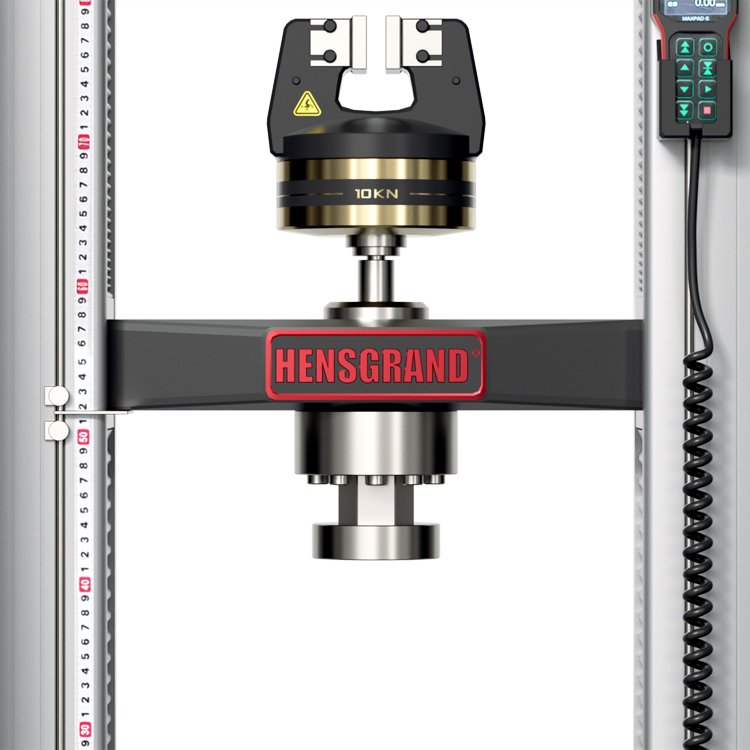
חשיבות בדיקת הקשיחות
בדיקת קשיחות ממלאת תפקיד מכריע בהערכת העמידות ועמידות בפני שחיקה של לחלופות מתכת, מתגלים כמה יתרונות. סיבי פחמן מתהדרים ביחס חוזק-למשקל יוצא דופן. משמעות הדבר היא שמתקבל רכיב קל יותר מבלי לוותר על כוח. יתרה מזאת,. זוהי שיטה המשמשת לקביעת מידת היכולת של חומר לעמוד בפני שריטה, שקיעה או שחיקה. עבור לקוחות, זה חיוני, במיוחד כאשר צינורות סיבי הפחמן שלהם משמשים בסביבות שבהן שחיקת פני השטח עלולה לפגוע בשלמות הכללית.
בדיקת קשיחות כוללת בדרך כלל לחיצת מחדיר מסוים אל תוך פני השטח של החומר. העומק או הגודל של השקיעה נותנים מדד ישיר לקשיחות. קיימות מספר שיטות בדיקה, כל אחת מתאימה לסוגי חומרים ויישומים שונים.
בדיקת קשיחות ברינל
אחת השיטות הוותיקות והנפוצות ביותר לבדיקת קשיחות היא בדיקת ברינל. היא כוללת שימוש במחדיר כדורי מפלדה קשה או מקרביד, בדרך כלל בקוטר שבין 1 ל-10 מ״מ. הכדור נלחץ אל פני השטח של צינור סיבי פחמן תחת עומס מוגדר. קוטר הרושם הנוצר נמדד לאחר מכן כדי לקבוע את הקשיחות.
בעוד שבדיקת ברינל יעילה מאוד עבור חומרים כמו מתכות, צינורות סיבי פחמן מציבים אתגר ייחודי. המחדיר יכול לעיתים לעוות או להיכשל ביצירת שקיעות ברורות בשל קשיחות פני השטח הנמוכה יחסית של החומר בהשוואה למתכות. עם זאת, עבור עיצובי צינורות מרוכבים מסוימים, טכניקה זו עדיין יכולה להציע תובנה חשובה.
בדיקת קשיחות ויקרס
שיטת ויקרס, אף שהיא מתוחכמת יותר, נפוצה בשימוש עבור חומרים בעלי פני שטח קשים. היא משתמשת במחדיר פירמידת יהלום, והלחץ המופעל גדול בהרבה מאשר בבדיקת ברינל. בדיקת ויקרס יכולה להיות שימושית במיוחד עבור לחלופות מתכת, מתגלים כמה יתרונות. סיבי פחמן מתהדרים ביחס חוזק-למשקל יוצא דופן. משמעות הדבר היא שמתקבל רכיב קל יותר מבלי לוותר על כוח. יתרה מזאת, עם שכבות מורכבות של שרף וסיבים, ומציעה תוצאות מדויקות ועקביות יותר מבדיקת ברינל.
עבור לקוחות המחפשים מדד מעודן יותר של קשיחות, בדיקת ויקרס יכולה לספק תמונה ברורה יותר של מידת העמידות של צינור סיבי הפחמן בפני בלאי ושחיקה, במיוחד ביישומים כמו רובוטיקה או ציוד ספורט.
תפקיד בדיקת הדחיסה
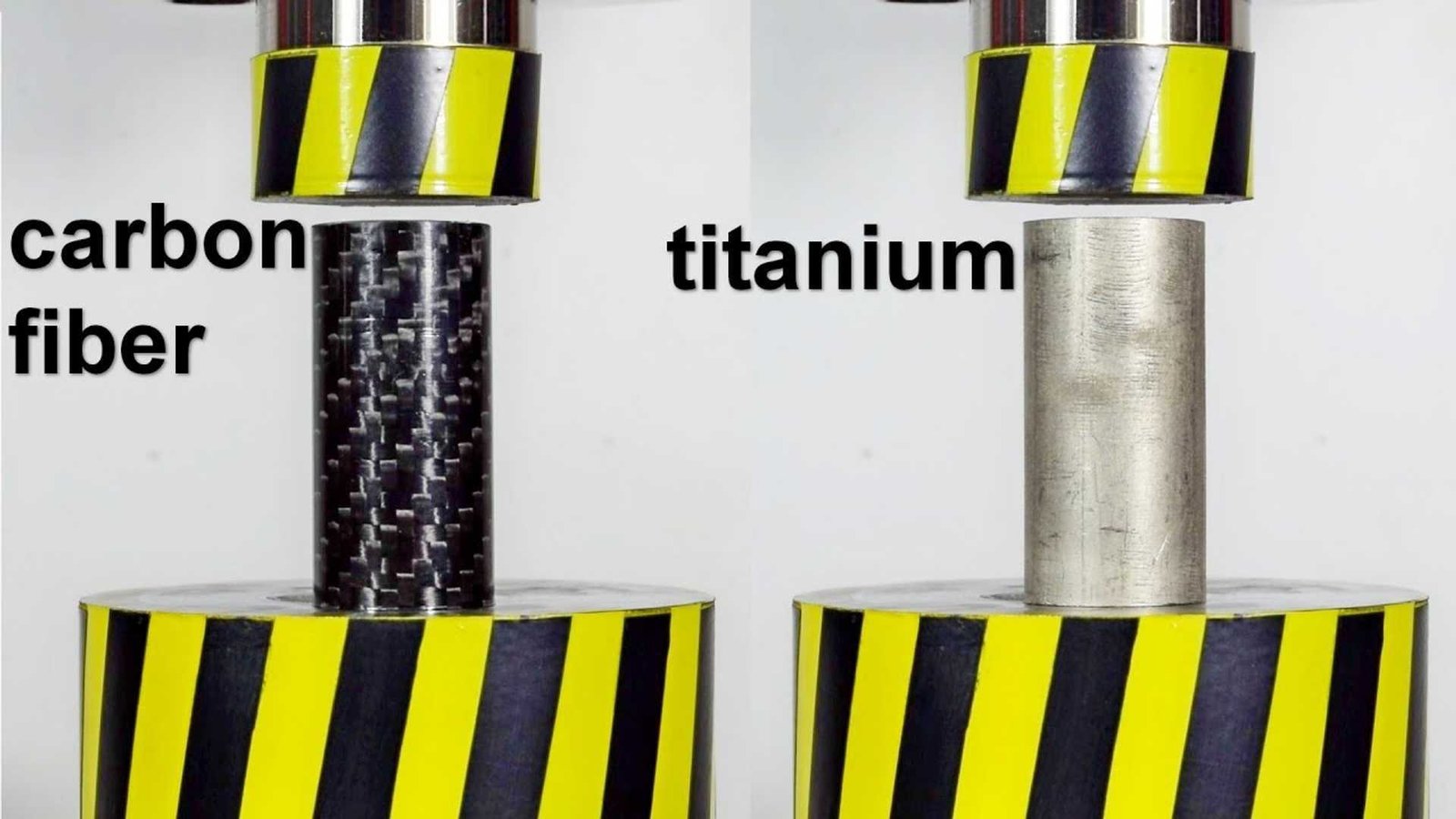
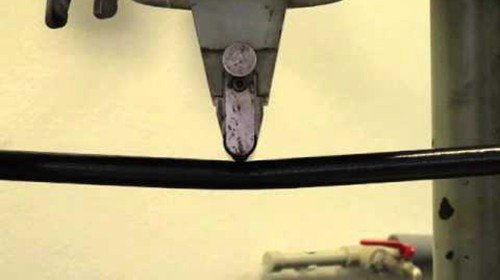
בעוד שבדיקת קשיחות מעריכה את תכונות פני השטח, בדיקת דחיסה מעריכה את התנהגות החומר תחת עומס. בדיקה זו מדמה את התנאים לחלופות מתכת, מתגלים כמה יתרונות. סיבי פחמן מתהדרים ביחס חוזק-למשקל יוצא דופן. משמעות הדבר היא שמתקבל רכיב קל יותר מבלי לוותר על כוח. יתרה מזאת, שהחומר עשוי לחוות במהלך השימוש, במיוחד בסביבות עתירות מאמץ. עבור לקוחות הנשענים על צינורות סיבי פחמן ביישומים מבניים, כגון רכיבי מטוסים או מכונות כבדות, בדיקת דחיסה היא הכרחית.
ציוד לבדיקת דחיסה
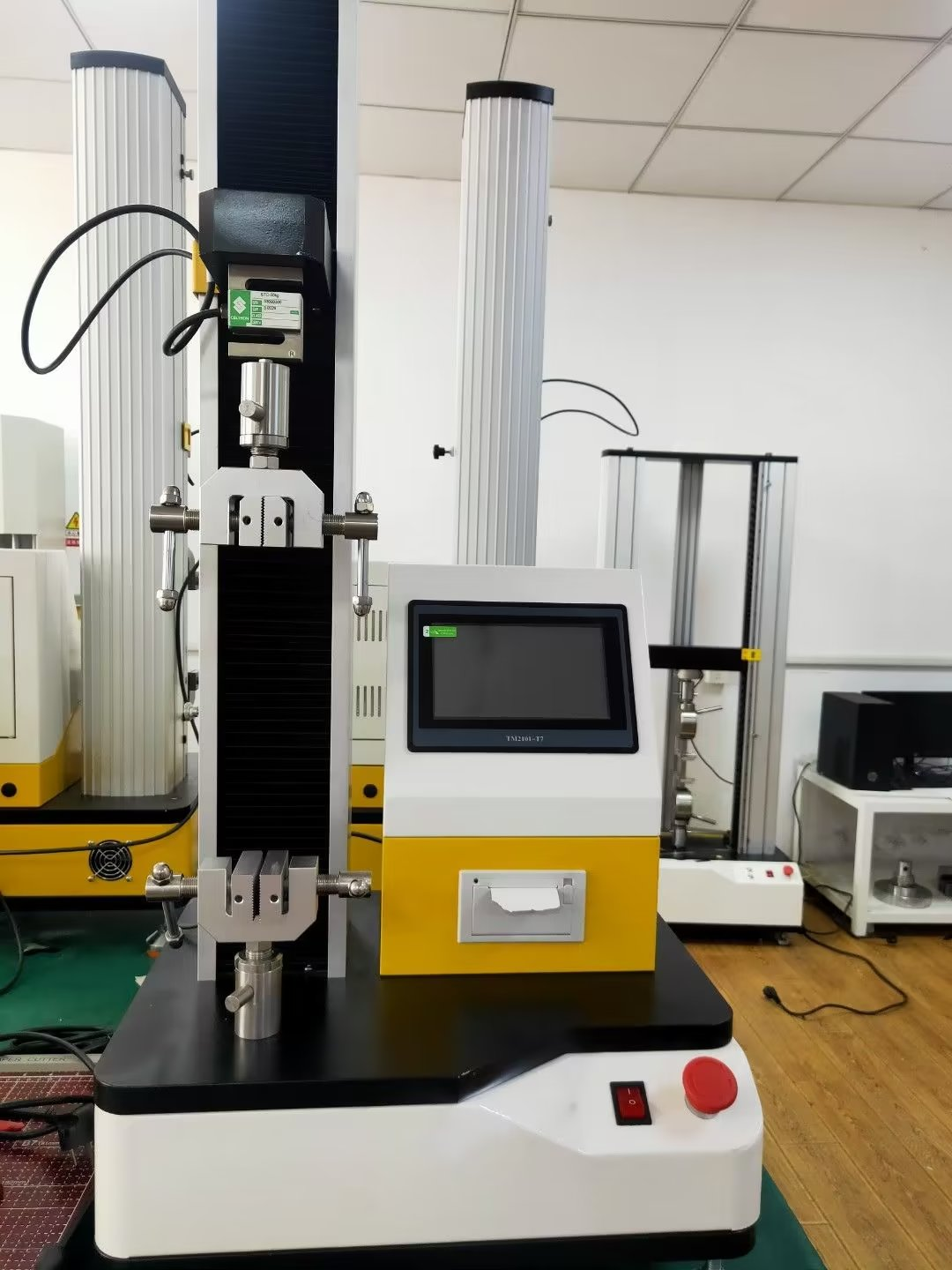
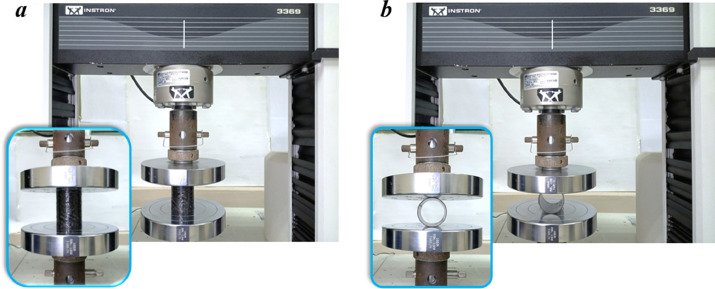
ציוד לבדיקת דחיסה נועד להפעיל עומס על החומר באופן מבוקר. המכונה מורכבת בדרך כלל משני לוחות קשיחים הדוחסים את דגם הבדיקה. העומס מופעל בהדרגה עד שהצינור מתעוות או נשבר.
עבור לחלופות מתכת, מתגלים כמה יתרונות. סיבי פחמן מתהדרים ביחס חוזק-למשקל יוצא דופן. משמעות הדבר היא שמתקבל רכיב קל יותר מבלי לוותר על כוח. יתרה מזאת,, בדיקות אלו עוזרות לקבוע כמה משקל או לחץ הצינורות יכולים לשאת מבלי לפגוע בשלמותם המבנית. לקוחות לעיתים קרובות מסתמכים על תוצאות אלו כדי להעריך האם החומר מתאים לצרכים הספציפיים שלהם.
For high-performance tubes, such as those used in aerospace or sports equipment, compression testing helps determine their limits. Testing results provide crucial data about how the material behaves under various force directions and how it will perform in extreme conditions.
Uniaxial Compression Testing
Uniaxial compression testing, one of the most widely adopted methods, involves applying compressive force along a single axis. It is particularly useful for understanding how the tube will behave under pressure in a linear fashion. Customers using לחלופות מתכת, מתגלים כמה יתרונות. סיבי פחמן מתהדרים ביחס חוזק-למשקל יוצא דופן. משמעות הדבר היא שמתקבל רכיב קל יותר מבלי לוותר על כוח. יתרה מזאת, for structural applications find this method invaluable for assessing their performance under typical stress scenarios.
In some cases, uniaxial compression testing may be supplemented with advanced imaging techniques, like X-ray or ultrasonic testing, to offer more detailed insights into the material’s internal behavior. For example, detecting internal voids, fiber misalignment, or resin inconsistencies can reveal critical weaknesses that would be impossible to spot without advanced diagnostics.
Challenges in Testing Carbon Fiber Tubes
Despite the advantages of hardness and compression testing, assessing the performance of carbon fiber tubes is not without its challenges. One of the main hurdles is the composite nature of carbon fiber materials. These tubes are often made of various layers, with different fiber orientations and resins that can affect how the material reacts to force. This complex structure means that a standard test may not provide a complete understanding of the material’s behavior.
Variability in Carbon Fiber Composites
The type of carbon fiber used—whether woven, unidirectional, or random mat—can influence the results of both hardness and compression tests. Similarly, the resin matrix that binds the fibers together plays a significant role. For instance, a resin with low curing temperature might behave differently than one that’s heat-cured. This means that customers must account for material variability when choosing testing methods.
Customers often need to ask the right questions: What type of carbon fiber tube is best suited for my application? Does it require special testing or analysis to verify its performance? Understanding the subtleties of the material helps customers select the most appropriate test methods.
Common Mistakes to Avoid in Testing Carbon Fiber Tubes
While testing carbon fiber tubes is essential, it’s easy for manufacturers or customers to make mistakes in how they approach the process. A common error is failing to conduct tests under real-world conditions. Testing at standard temperatures and pressures doesn’t always replicate the extreme conditions that the tubes might face in the field.
Another issue lies in the selection of testing tools. Some customers rely on outdated equipment or general-purpose tools that may not provide accurate results for composite materials. Choosing specialized tools designed for carbon fiber composites ensures more reliable outcomes and can save costs in the long run.
Conclusion
Hardness and compression testing are vital steps in ensuring that carbon fiber tubes perform as expected in demanding applications. By understanding the various techniques and tools involved, customers can make more informed decisions about the materials they use. Whether it’s determining wear resistance through hardness testing or assessing structural integrity under pressure with compression testing, these tests offer insights that are crucial for selecting the right carbon fiber tube for the job.
For customers, these tests offer a way to maximize the performance and longevity of carbon fiber tubes. By partnering with trusted testing facilities and ensuring that the most appropriate methods are employed, customers can rest assured knowing that their carbon fiber tubes will stand up to the rigors of their intended use.
Carbon Fiber Tube Hardness and Compression Testing Report Sample
Product: Carbon Fiber Tube
Testing Date: 2025-02-13
Sample ID: 26*30*1000mm
Testing Objective: To evaluate the hardness and compression properties of carbon fiber tubes, verifying their suitability and durability.
Compression Testing Section
1. Uniaxial Compression Test
- Test Equipment: HY-5080 (Compression Testing Machine)
- Test Method: ASTM D695 Standard
- Sample Dimensions: Diameter 20 mm, Length 50 mm
- Load Rate: 1 mm/min
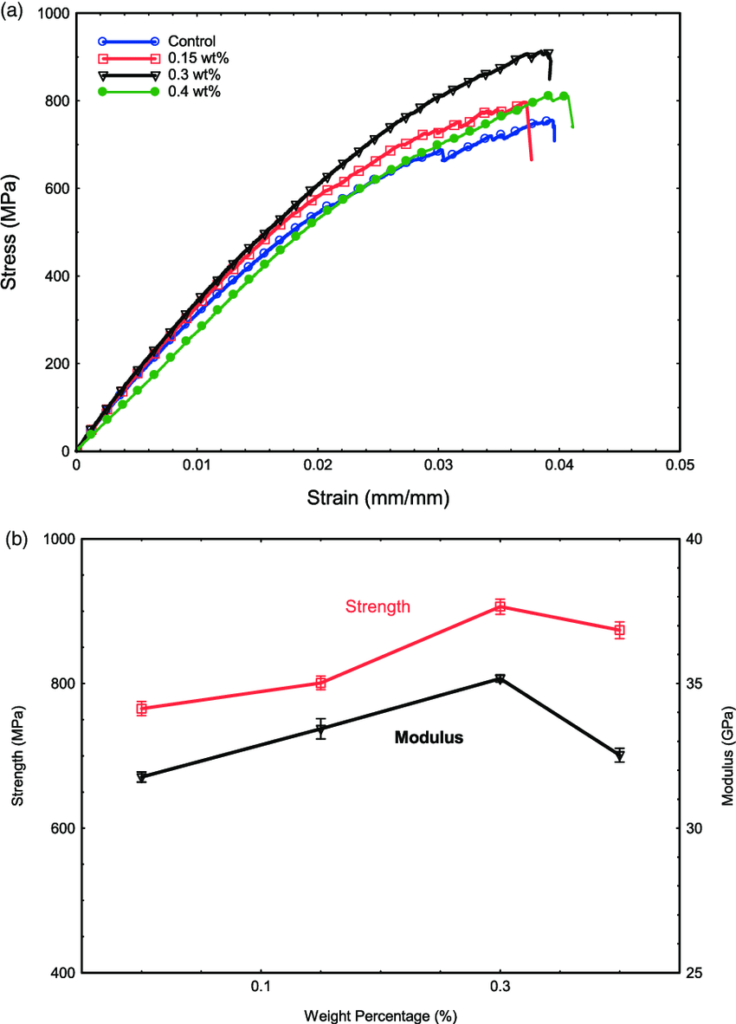
- Max Compression Load: 120 kN
- Compression Modulus: 40 GPa
- Failure Load: 118 kN
- Fracture Stress: 400 MPa
- Max Deformation: 2.3 mm
2. Composite Material Compression Performance Analysis
- Test Standard: ISO 14129
- Sample Type: Woven Carbon Fiber Tube
- Compression Strength: 320 MPa
- Max Deformation: 4.2 mm
- Failure Mode: Micro-crack propagation in the tube wall
Additional Testing
1. Rebound Performance Test
- Test Method: ASTM D3410
- Elastic Modulus: 30 GPa
- Rebound Rate: 90%
2. Internal Defect Detection (e.g., Ultrasonic Testing)
- Testing Method: Ultrasonic C-Scan
- Sample Dimensions: Diameter 25 mm, Length 100 mm
- Defect Type: No significant defects
- Testing Frequency: 5 MHz
Results Analysis
- Hardness Analysis: The Vickers hardness test shows that the sample surface exhibits high wear resistance, making it suitable for long-term load-bearing applications, especially in high-precision mechanical components.
- Compression Test Analysis: The carbon fiber tube can withstand up to 120 kN of pressure and remains stable under heavy load. It is suitable for structural applications in aerospace and automotive sectors.
- Defect Analysis: The ultrasonic testing results show no significant internal cracks or voids, indicating that the manufacturing quality of the carbon fiber tube is high.
9 Responses