Do you wonder why carbon fiber is the backbone of aerospace, top-tier sports, and high-end cars?
Why does it show up in everything from bikes to prosthetics?
Why does it cost more but still seem worth every penny?
Let’s break down what makes carbon fiber a go-to for industries that demand strength, speed, and style.
What is Carbon Fiber?
Carbon fiber is a material known for two things: it’s light, and it’s strong.
It’s made of carbon atoms bonded tightly into crystals that align in long, thin strands.
Imagine something stronger than steel but light enough to float.
That’s why it’s everywhere in high-stakes industries.
People use it to build parts that need to stay strong under stress but don’t add unnecessary weight.
But how does it actually work?
Related articles:
Which Process Is Better for a Thin Wall Carbon Fiber Tube?
Carbon Fiber Sheets for CNC Cutting: Edge Defects Guide
How Should Buyers Evaluate MOQ and Unit Costs for Carbon Fiber Drone Frames
How to Evaluate Quality Control for Carbon Fiber Drone Components
How to Verify Dimensions of Carbon Fiber Tubes for UAVs
CFRP Sheets for Outdoor Equipment: UV, Moisture and Long-Term Weathering
A Quick History of Carbon Fiber
The first version of carbon fiber started in the late 1800s.
It was used in light bulbs!
By the 1960s, engineers began to see its potential beyond electrical use.
Aerospace and high-performance cars jumped in.
It went from being a niche lab material to something that transformed industries.
Why is Carbon Fiber So Popular?
Here’s the core of it:
Carbon fiber is five times stronger than steel.
But it weighs a fraction of it.
And it resists stretching, doesn’t corrode, and holds up under heat.
It also has incredible fatigue resistance, which means it keeps its shape and strength even after years of use.
That’s huge.
Think of planes, race cars, and even high-end sports gear—they need something that holds up without added weight or bulk.
Customer Case: How Lightweight Design Improved Premium Bicycle Performance
A premium bicycle manufacturer wanted to reduce frame weight while maintaining the stiffness, durability, and handling stability required for riding performance. The existing aluminum-alloy design was easier to manufacture, but it placed limits on weight reduction and design freedom.
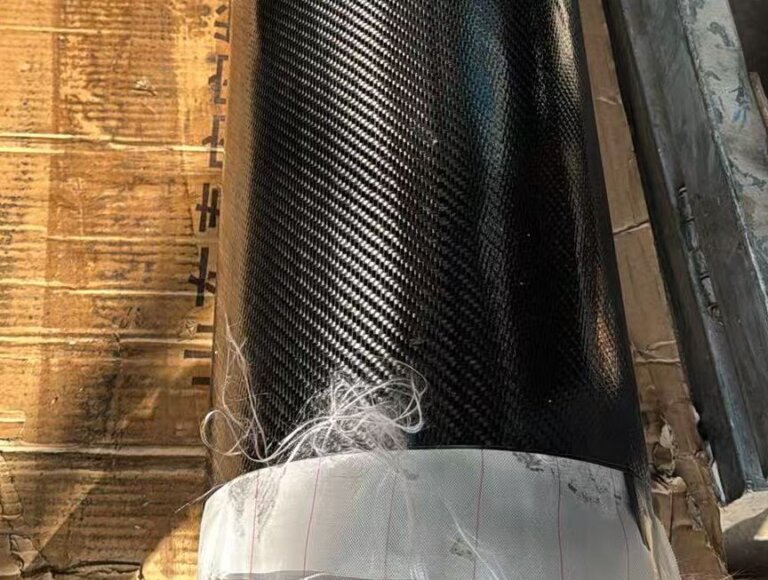
After evaluating material options, the team used carbon fiber fabric and a resin system for key frame structures. They adjusted fiber orientation in different load areas: adding directional fibers in high-load zones to increase stiffness, while optimizing the layup in areas designed to absorb road vibration. The manufacturer achieved a lighter frame structure while balancing riding efficiency, comfort, and visual design.
This type of application shows that carbon fiber is not used only for appearance. For manufacturers of bicycles, racquets, skis, golf clubs, and other sporting goods, carbon fiber materials can reduce weight while supporting structural designs tailored to specific load directions. Carbon fiber is widely used in bicycles, racquets, skis, snowboards, surfboards, golf clubs, and other sports products.

Need Help Choosing the Right Carbon Fiber Material?
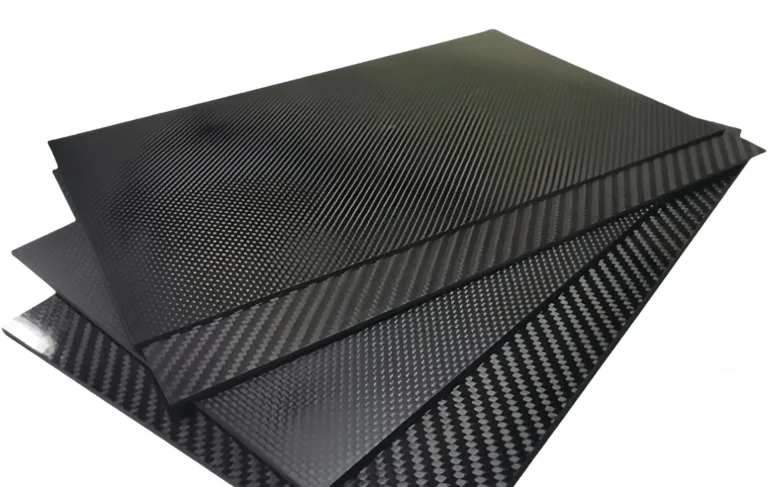
Whether you need carbon fiber fabric, sheets, plates, tubes, or custom composite parts, the right material depends on your strength, weight, finish, and operating requirements. Share your drawing, application, dimensions, and expected quantity with our team. We can help you evaluate practical material and manufacturing options before production begins.