 Norwegian
  English
  German
  Japanese
  Arabic
  Czech
Czech  Spanish
  French
  Italian
  Danish
  Polish
  Portuguese
  Dutch
Dutch 
Innholdsfortegnelse
Å forstå data om runde rør av karbonfiber: Hvorfor verdiene varierer
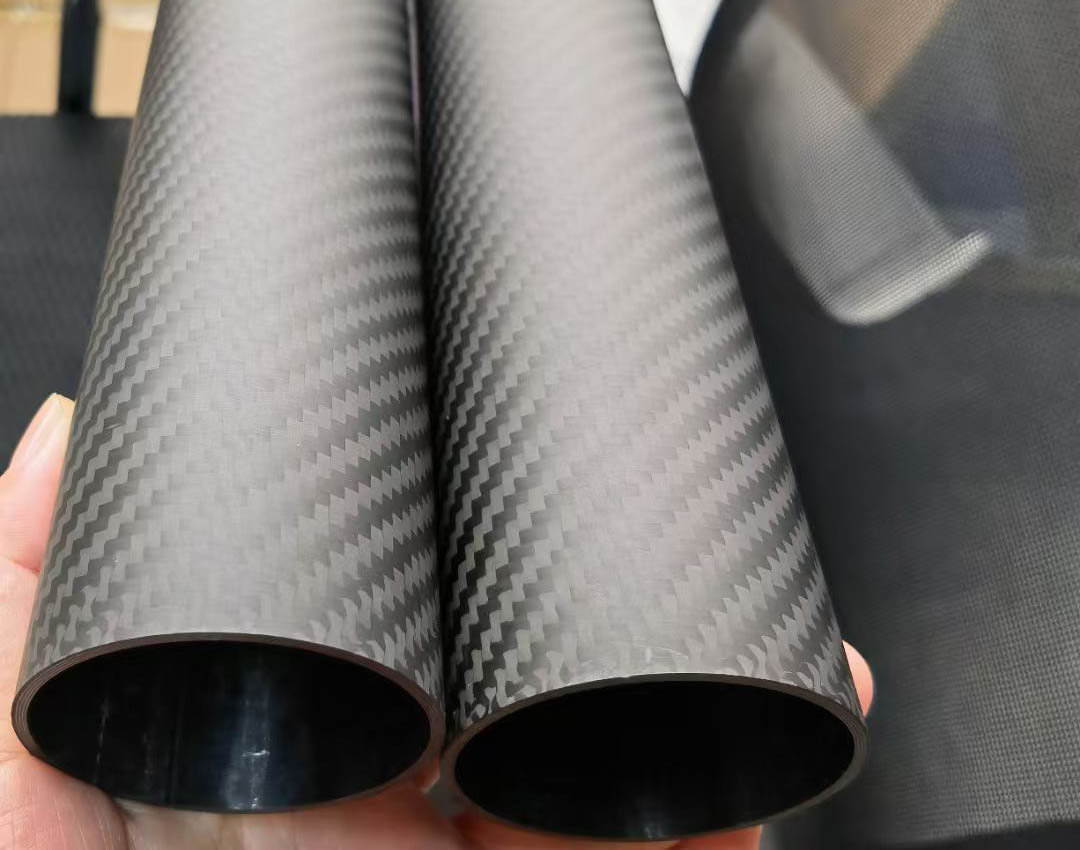
Rundrør av karbonfiber Dataene ser ofte enkle ut ved første øyekast. Tall som sprengtrykk, tetthet og modul virker entydige. Den faktiske ytelsen følger imidlertid sjelden faste verdier. I stedet oppfører hvert karbonfiberrør seg forskjellig, avhengig av designvalg, materialer og produksjonsmetoder.
Mange kunder stiller lignende spørsmål i forbindelse med innkjøp. Kan dere sende meg toleransene for ytre og indre diameter? Er overflatene på den indre og ytre diameteren glatte nok til tettingsformål? Er det mulig å sette røret under trykk, og hvilket sprengtrykk tåler det? Hva med verdiene for tetthet og modul?
Disse spørsmålene er relevante. Men hvert svar avhenger av hvordan røret er konstruert. Det finnes ikke ett enkelt tall som gjelder i alle tilfeller. Denne artikkelen forklarer hvorfor dataene varierer, hvilke faktorer som påvirker disse variasjonene, og hvordan du kan vurdere ytelsen til karbonfiberrør mer nøyaktig.
Referanser:
1. Det ideelle karbonfiberet for droner: Ark, materialer og alternativer
2. Hvordan kutte karbonfiberrør?
3. Forstå hardhets- og kompresjonstesting av karbonfiberrør
4. Karbonfiber vs. grafittstang: Hvilken passer best til dine behov
5. 8 feil ingeniører gjør når de velger karbonfiberrør, og hvordan du unngår dem
Hvorfor dataene for runde rør av karbonfiber ikke er konstante
Rundrør av karbonfiber Egenskapene stammer ikke fra et fast standardark. De er snarere et resultat av designvalg. Fiberoppsettet, harpikstypen, veggtykkelsen og bearbeidingsmetoden er alle faktorer som påvirker den endelige oppførselen.
På grunn av dette kan to rør med tilnærmet samme størrelse ha svært ulik styrke eller stivhet. Det ene kan tåle høyt indre trykk, mens det andre kan svikte tidlig under tilsvarende belastning.
Derfor bør alle opplysninger, som for eksempel et sprengtrykk på 4–8 MPa eller en modul på 60–90 GPa, betraktes som et referanseintervall og ikke som en garantert verdi. De faktiske tallene avhenger alltid av hvordan røret er konstruert.
Viktige faktorer som påvirker ytelsen til runde rør av karbonfiber
Å forstå disse variablene hjelper deg med å unngå kostbare feil. Hver av faktorene nedenfor har direkte innvirkning på tallene du mottar fra leverandørene.
Fibertype og -kvalitet
Ulike karbonfibre gir ulike ytelsesnivåer. Fibre med standard modul gir en god balanse mellom styrke og pris. Fibre med høy modul øker stivheten, men reduserer ofte slagfastheten.
På grunn av dette kan modulverdiene variere betydelig avhengig av hvilket fiber som velges. Dette forklarer hvorfor enkelte rør oppviser høyere stivhet selv med tilsvarende dimensjoner.
Fiberretning og lagoppbygging
Fiberretningen bestemmer hvordan belastninger beveger seg gjennom røret. Aksiale fibre forbedrer strekkfastheten i lengderetningen. Ringfibre øker motstanden mot indre trykk.
For eksempel har en slange som er beregnet på trykkapplikasjoner flere lag i omkretsretningen. Dette øker sprengtrykkskapasiteten direkte. Uten disse lagene synker trykkklassifiseringen raskt.
Så når en kunde spør om trykksetting, avhenger svaret i stor grad av lagoppbyggingen, snarere enn av materialet alene.
Valg av harpikssystem
Harpiks fungerer som en matrise som holder fibrene sammen. Ulike harpikssystemer påvirker holdbarheten, temperaturbestandigheten og bindingsstyrken.
Epokssystemer gir ofte gode mekaniske egenskaper. Andre harpikser kan forbedre kjemisk bestendighet eller redusere kostnadene.
Tetthetsverdier på rundt 1,5 g/cm³ kan variere noe avhengig av harpiksinnholdet. Høyere harpiksandeler øker vekten, samtidig som stivheten reduseres.
Produksjonsprosessen
Produksjonsmetoden spiller en avgjørende rolle for de endelige egenskapene.
Pultrudering gir rør med jevn kvalitet og god aksial ytelse. Metoden gir imidlertid begrenset kontroll over fibervinklene.
Filamentvikling muliggjør presis fiberplassering, spesielt i applikasjoner der det stilles krav til trykk. Denne metoden forbedrer bruddstyrken betydelig.
Prepreg-valsing gir høy overflatekvalitet og strenge toleranser, selv om kostnadene øker på grunn av manuelle trinn.
På grunn av disse forskjellene er identiske dimensjoner ingen garanti for identisk ytelse.
Veggtykkelse og geometri
Veggtykkelsen har direkte innvirkning på styrken. Tykkere vegger tåler større belastninger og høyere trykk. Imidlertid medfører økt tykkelse økt vekt.
Konisk utforming eller variabel geometri medfører flere belastningspunkter. Tynne seksjoner blir ofte svake punkter.
Derfor blir toleranser for diameter og jevnhet i veggene avgjørende. Når kunder spør om toleranser for innvendig og utvendig diameter, avhenger svarene både av verktøyets presisjon og prosesskontrollen.
Forståelse av sentrale datamålinger for runde rør i karbonfiber
La oss nå se nærmere på de vanligste opplysningene kundene ber om, og hva disse verdiene egentlig betyr.
Trykkkapasitet og sprengtrykk
Karbonfiberrør tåler innvendig trykk hvis de er riktig konstruert. Imidlertid er ikke alle rør egnet for trykksetting.
Et typisk industrirør kan ha et konservativt sprengtrykk på rundt 4–8 MPa. Dette området avhenger imidlertid i stor grad av fiberinnholdet i ringretningen og veggtykkelsen.
Hvis trykkytelsen er avgjørende, må du angi belastningsforholdene på et tidlig tidspunkt. Ellers kan det hende at standardutforminger ikke oppfyller kravene.
Toleranser for diameter og overflatekvalitet
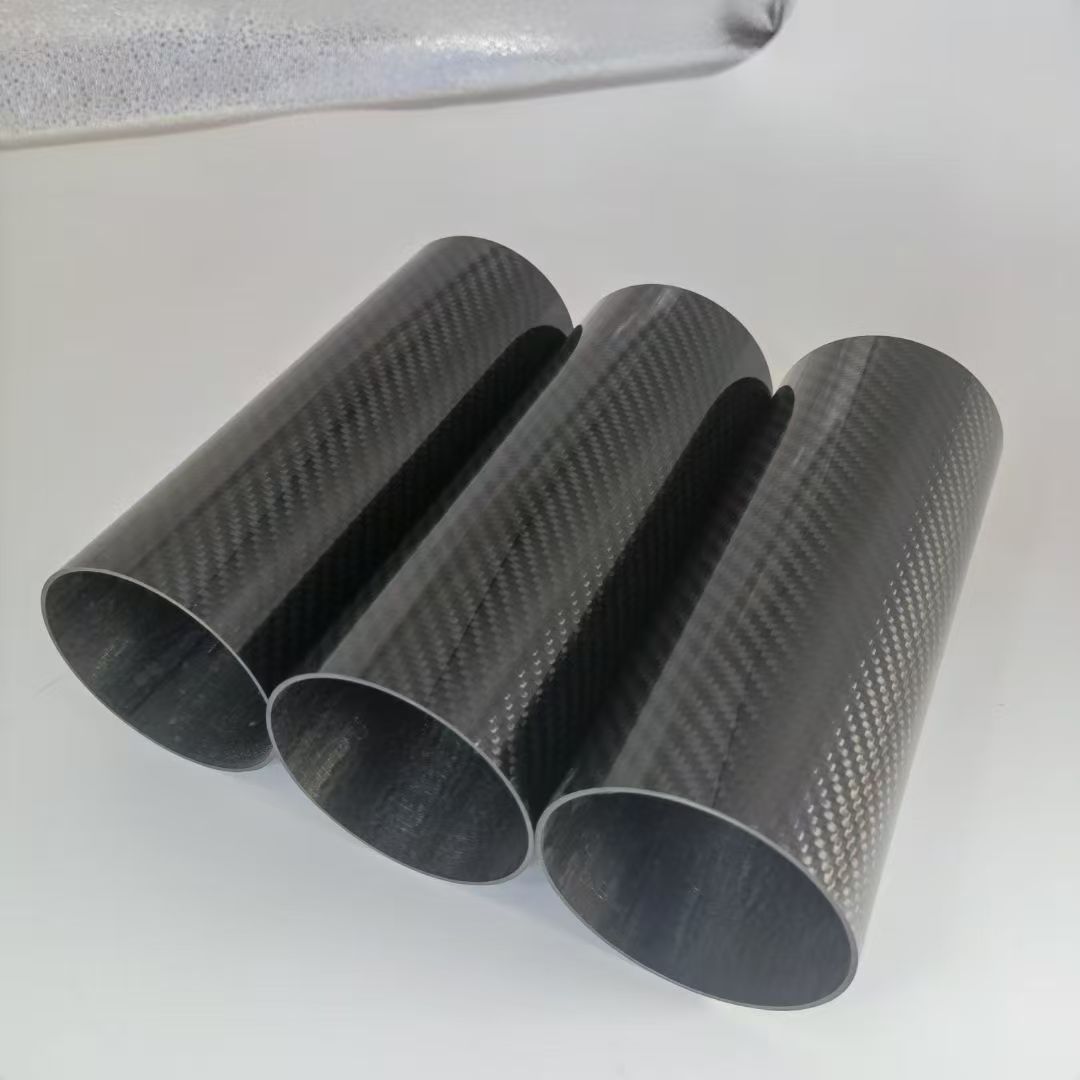
Toleransene for ytre og indre diameter varierer avhengig av fremstillingsprosessen. Pultrudering gir ofte en mer nøyaktig kontroll. Filamentvikling kan kreve etterbearbeiding.
Overflatens glatthet avhenger også av verktøyvalg og etterbehandlingsprosesser. Noen rør har glatte innvendige overflater som egner seg til tetningsformål. Andre kan kreve ytterligere polering eller innvendige foringer.
Når du spør om bruk av tetninger, må du derfor alltid avklare både ruhetsgrad og dimensjonstoleranse.
Tetthet og vekt
Den typiske tettheten til karbonfiberkompositter ligger på rundt 1,5 g/cm³. Den faktiske vekten avhenger imidlertid av fibervolumandelen og harpiksinnholdet.
Et høyere fiberinnhold reduserer vekten og forbedrer samtidig stivheten. For mye harpiks øker vekten uten å gi økt styrke.
Derfor bør vektdata alltid ses i sammenheng med konstruksjonens ytelse, og ikke vurderes isolert.
Elastisitetsmodul
Elastisitetsmodulen angir stivhet. Aksialmodulen ligger ofte mellom 60 og 90 GPa. Tverrmodulen er betydelig lavere, ofte mellom 7 og 12 GPa.
Denne forskjellen skyldes at karbonfiberkompositter oppfører seg anisotropisk. Egenskapene varierer avhengig av retningen.
Når du vurderer stivhet, bør du derfor alltid sjekke retningen i stedet for å stole på et enkelt tall.
Hvorfor leverandører oppgir ulike data
Kundene merker ofte forskjeller mellom leverandørene. Dette skyldes flere årsaker.
Testmetodene varierer. Noen verdier stammer fra laboratorieprøver under ideelle forhold. Andre gjenspeiler faktiske produksjonsdeler.
Sikkerhetsfaktorene varierer også. Noen produsenter oppgir konservative tall. Andre oppgir teoretiske maksimumsverdier.
I noen tilfeller kan dataene til og med gjenspeile en markedsføringsstrategi snarere enn en strengt teknisk validering.
Av denne grunn må man være svært nøye med å ta hensyn til testforholdene og forutsetningene når man foretar en direkte sammenligning.
Hvordan vurdere data for karbonfiberrør på riktig måte
I stedet for å fokusere utelukkende på tall, bør du benytte en strukturert tilnærming.
Be om detaljer om innbetaling
Fiberretningen sier mer enn styrkeverdiene. Å forstå lagstrukturen gjør det lettere å forutsi den faktiske ytelsen.
Forespørsel om testbetingelser
Sjekk alltid hvordan dataene er målt. Temperatur, belastningstype og omgivelser påvirker resultatene i betydelig grad.
Sammenlign tilsvarende betingelser
Unngå å sammenligne rør som er testet under ulike forhold. Det fører til misvisende konklusjoner.
Validering ved hjelp av prototyper
Test prøvene under reelle forhold når det er mulig. Den faktiske ytelsen avslører ofte forskjeller som ikke fremgår av databladene.
Praktisk eksempel: Hvorfor to rør har ulikt sprengtrykk
La oss se på to rør med samme diameter og av samme materiale. Det ene har sterke ringlag, mens det andre kun er utformet for å gi aksial styrke.
Under internt trykk oppfører det første røret seg godt og motstår utvidelse. Det andre røret svikter tidligere fordi det mangler forsterkning rundt omkretsen.
Dette eksemplet viser hvordan designvalg har direkte innvirkning på ytelsesdata. Materialet alene avgjør ikke ytelsen.
Avsluttende betraktninger: Data er et resultat, ikke et utgangspunkt
Rør av karbonfiber Ytelsestallene står ikke alene. De gjenspeiler designvalg, produksjonsmetoder og tiltenkt bruk.
I stedet for å be om faste verdier, bør du ta utgangspunkt i kravene til applikasjonen. Definer først belastninger, miljøforhold og begrensninger. Tilpass deretter design og materialvalg i henhold til dette.
Når de brukes riktig, gir karbonfiberrør utmerket ytelse. Suksess avhenger imidlertid alltid av at man forstår hva som ligger bak disse tallene.