
 Portuguese
  English
  German
  Japanese
  Arabic
  Czech
Czech  Spanish
  French
  Italian
  Danish
  Polish
  Norwegian
  Dutch
Dutch 
Índice
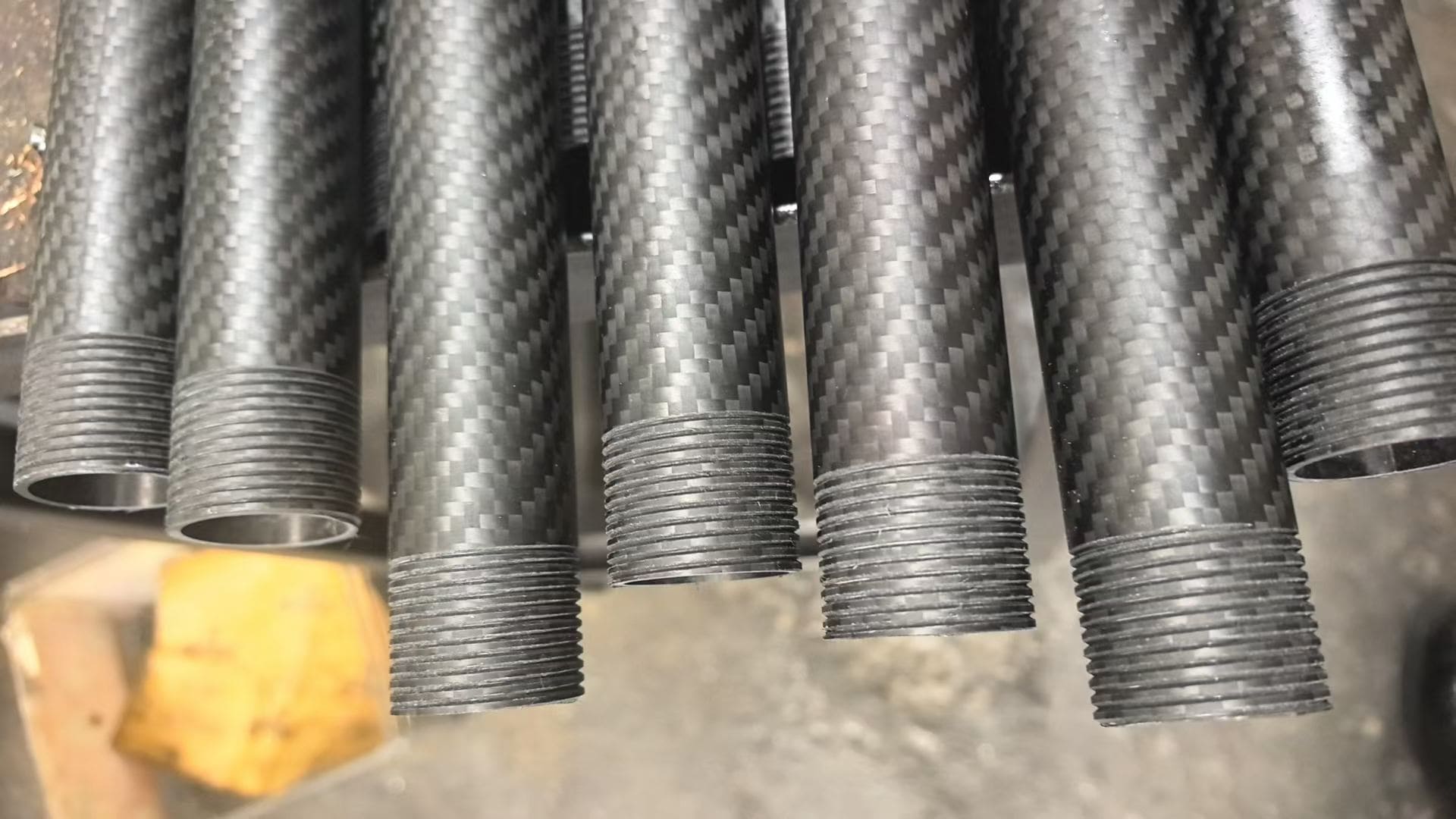
Why Generic carbon fiber tube connectors Made Alignment Fail on the First Prototype
A drone team bought off‑the‑shelf conectores para tubos de fibra de carbono for their frame. At first, the tubes seemed to fit, but after a few test flights, arms shifted and vibration increased. The root cause was poor tolerance control and mismatched inner diameters in generic connectors. When the tubes were slightly oval or the connector bore was too loose, the joint could not stay aligned. This led to repeated rework, delayed testing, and extra cost. The team soon realized that choosing the wrong connector type was more damaging than using a slightly heavier tube.
How to choose carbon fiber tube connectors by matching types, materials, and usage
To fix the issue, they started by learning how to choose carbon fiber tube connectors based on load path and assembly method. For their configuration, a slip‑fit connector with a small shoulder was better than a full sleeve. They also switched from aluminum to reinforced polymer, which reduced stress on the tube ends. The key was to match connector type to the real use: high‑cycle racing demanded tight tolerances; camera drones needed stable but easy‑to‑assemble joints. Understanding these differences helped them avoid more misalignment during later builds.
Related articles:
Conectores para tubos de fibra de carbono: como escolher o tipo certo
Um fornecedor de tubos de fibra de carbono pode seguir seu cronograma de laminação personalizado?
Fabricante de grandes chapas de fibra de carbono | Painéis personalizados
Tubo de fibra de carbono enrolado: 5 principais vantagens em relação aos tubos pultrudados
Tubos de fibra de carbono T700 x T300: Verificação de desempenho e qualidade
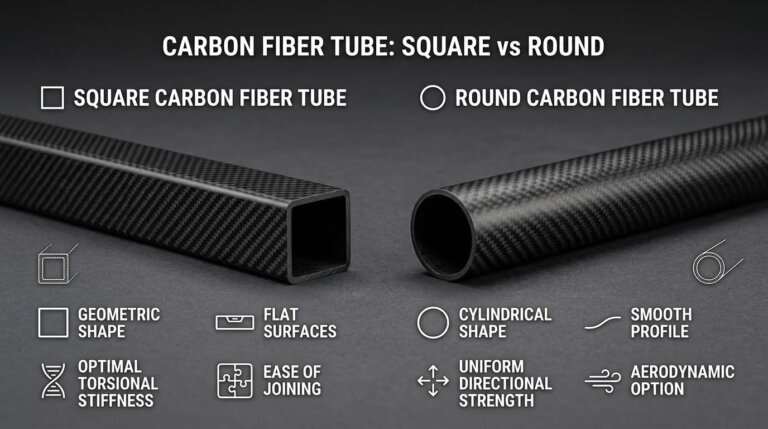
Tubo quadrado de fibra de carbono x tubo redondo: diferenças de rigidez explicadas para o setor aeroespacial
Using a dimensional & load checklist to match carbon fiber tube connectors to tube specs
The team then built a simple checklist to choose carbon fiber tube connectors that fit their tube specs. They recorded outer diameter, wall thickness, and length tolerance for each tube. Next, they defined load types: bending on the arms, shear at the motor mounts, and axial load on the central hub. They also set a safety factor and temperature range. With these numbers, they rejected connectors that were too loose or too stiff. This step turned a vague “it should fit” into clear conectores para tubos de fibra de carbono requirements, reducing guesswork in the supply process.
How redesigning the joint with custom carbon fiber tube connectors cut assembly time by 35%
After selecting the right connector type, they worked with a manufacturer to redesign the joint. The new conectores para tubos de fibra de carbono had a slightly larger shoulder and a controlled interference fit, which held the tube without extra clamps. This removed one assembly step and reduced the need for manual adjustment. In the next build, the team measured assembly time and found it dropped by 35%. The frame also showed less drift after repeated flights. The change proved that a small connector redesign can have a large impact on both performance and production speed.
A Practical 7‑Step Guide to Buy and Choose Carbon Fiber Tube Connectors
For engineers and buyers, the process can be summarized in seven clear steps.
When selecting carbon fiber tube connectors, the goal is to find solutions that fit your joint and load cases, not just ones that look good on paper. A structured approach helps avoid costly rework in future projects.
After testing samples on real tubes under load, run a small batch and track assembly time and failure rates. Once the data is stable, lock the design and set a spare parts plan for long-term maintenance and production.
The 7 Steps to Choose Carbon Fiber Tube Connectors
Choosing the Right Carbon Fiber Tube Supplier For Your Project
If you’re building a drone, robot, or lightweight structure and are struggling to find conectores para tubos de fibra de carbono that actually fit your tubes and load, you don’t have to keep guessing. Share your tube dimensions, joint type, and load cases with us, and we’ll help you design or select the right connector solution. Get a quick quote, sample options, and a clear path from prototype to stable production—without repeated rework or misalignment.