
 Danish
 English
 German
 Czech
 Spanish
 Hebrew
 French
 Portuguese
 Norwegian
 Dutch
Indholdsfortegnelse
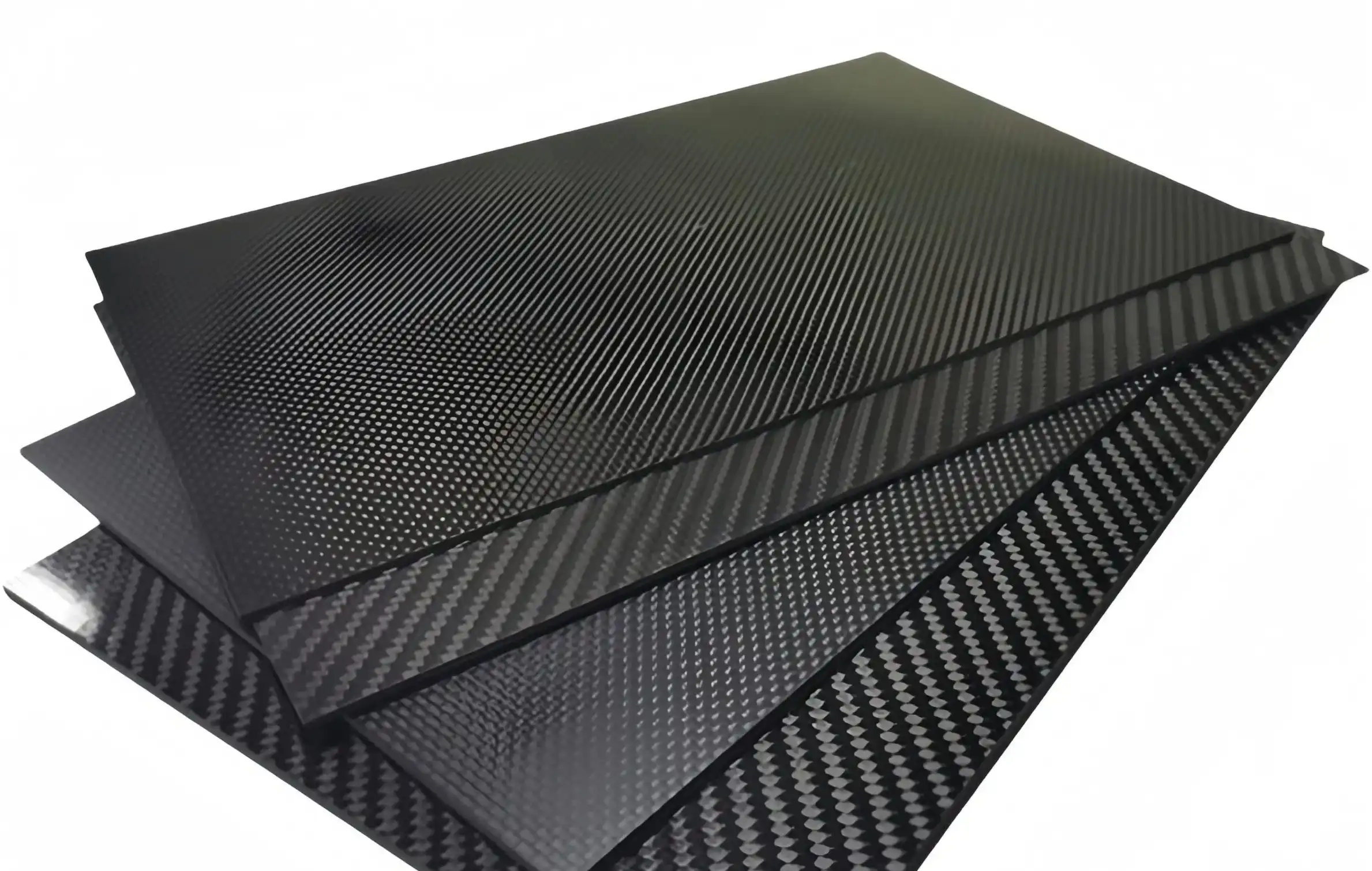
A CFRP sheet can look excellent when it leaves the workshop and still cause problems after a year on outdoor equipment. The surface loses gloss. The edges turn pale. A bolt hole starts to show a dark line around it.
The carbon fiber is rarely the first part to fail. The resin surface, coating, cut edges, holes, and bonded joints are usually more exposed to sunlight and water.
For outdoor use, CFRP sheets need more than a good-looking carbon finish. They need a resin system, edge protection, and surface coating matched to the actual installation environment.
Why the Carbon Fiber Is Not the Only Part That Ages Outdoors
Carbon fiber itself is stable in many outdoor conditions. The resin around it is not always as stable.
Epoxy resin can yellow, lose gloss, chalk, or develop fine surface cracks after long exposure to sunlight. These changes may start as cosmetic problems. Over time, they can expose the laminate and make moisture entry easier.
A customer may see a panel fade and assume the carbon fiber has failed. In many cases, the issue begins at the resin surface or coating. UV exposure can cause photochemical changes in epoxy coatings, leading to discoloration, chalking, cracking, and loss of surface performance.
This is why “carbon fiber is weather resistant” is not enough information for an outdoor panel. The full material system matters.
Relaterede artikler:
How to Verify Insulation in Fiberglass Barrier Tubes
Hvilken proces er bedre til et tyndvægget kulfiberrør?
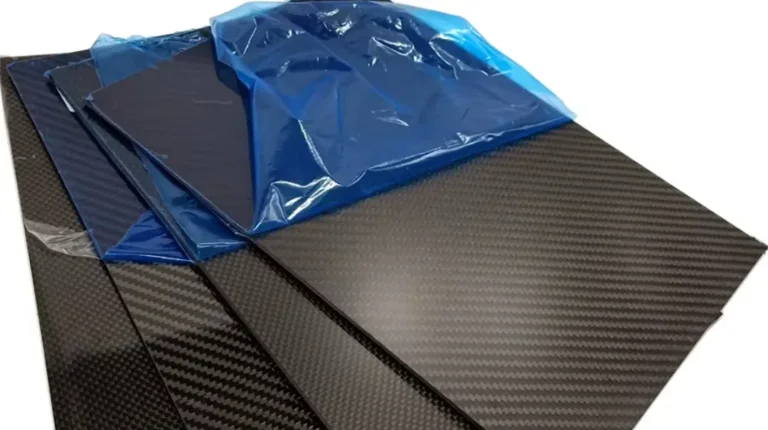
Kulfiberplader til CNC-skæring: Vejledning i kantfejl
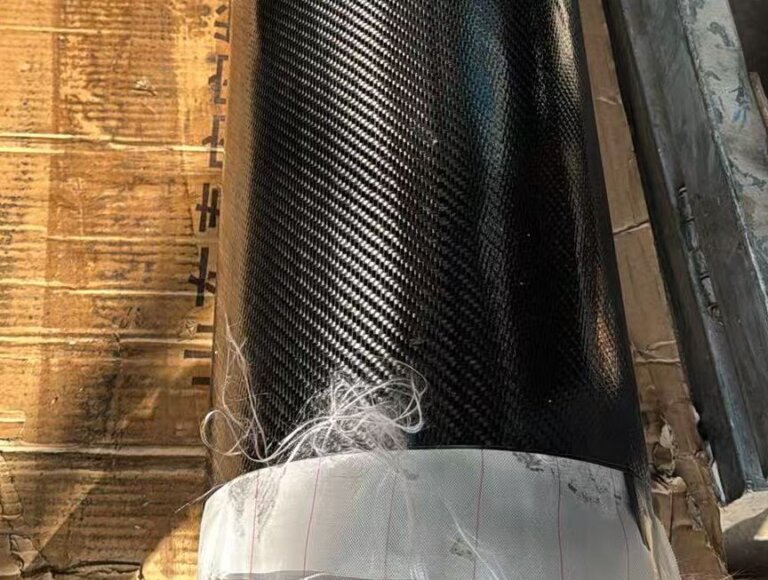
Hvordan bør købere vurdere MOQ og enhedsomkostninger for carbonfiberrammer til droner
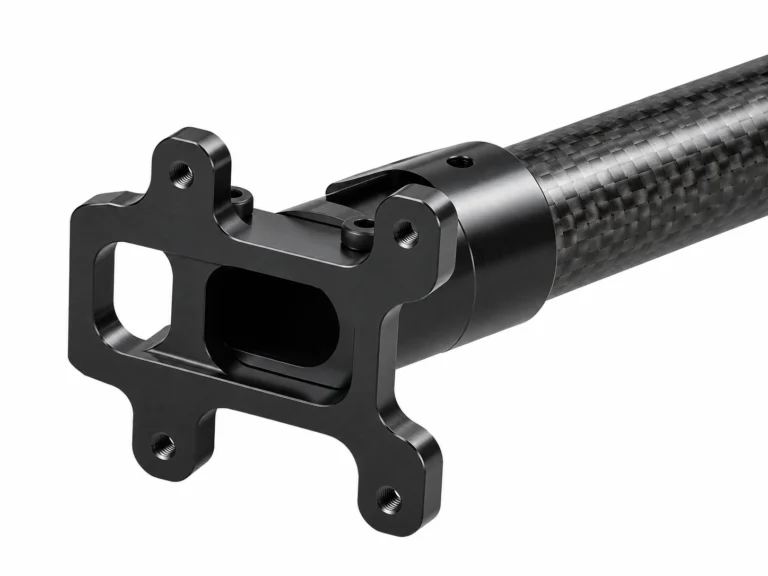
How to Evaluate Quality Control for Carbon Fiber Drone Components
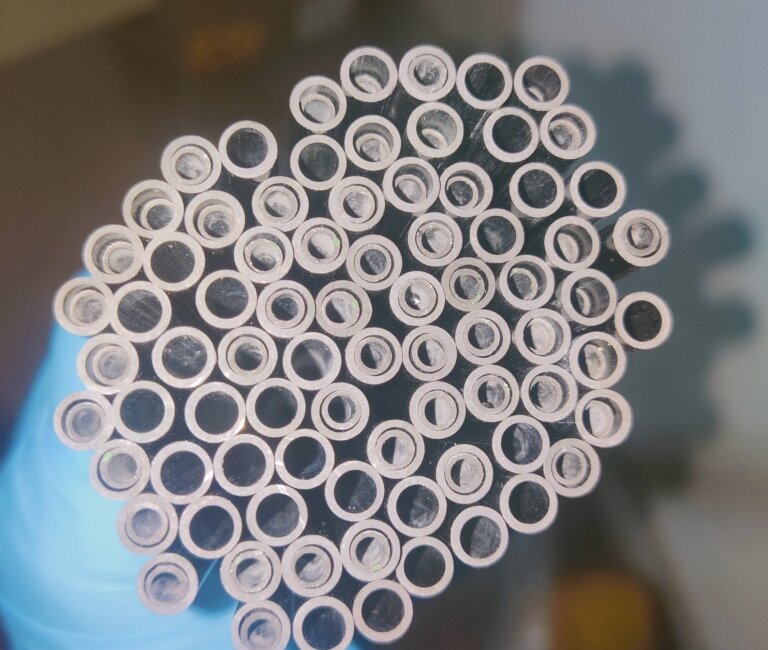
Sådan verificerer du dimensioner af kulfiberrør til UAV'er
Resin System and Surface Finish: The First Line of Outdoor Protection
When buyers request CFRP sheets for outdoor equipment, they should describe the working environment before choosing a finish.
A sheet used indoors may only need a clean surface and good machining quality. A sheet installed on agricultural machinery, marine equipment, solar structures, communication enclosures, or transport equipment faces sunlight, rain, humidity, dirt, and temperature changes.
Ask these questions before ordering:
Will the sheet receive direct sunlight?
Will it face salt spray, mud, cleaning chemicals, or standing water?
What is the expected service temperature range?
Is the surface visible, load-bearing, or both?
How long should the finish stay presentable?
Kan panelet repareres eller genbelægges i drift?
En overflade med kun epoxy kan fungere i visse beskyttede anvendelser. Til langvarig direkte sollys er en UV-bestandig topcoat normalt det sikrere valg. Alifatiske polyurethanbelægninger bevarer generelt farve og glans længere end systemer med kun epoxy under UV-eksponering.
Kanter, huller og limede samlinger: Hvor fugt normalt trænger ind
Udendørs svigt starter ofte ved kanten af en CFRP-plade, ikke i midten.
En skåret kant blotlægger laminatlagene. Et boret hul skaber en ny vej for vand. En ridse, et afslået hjørne eller en dårligt forseglet befæstelse kan lade fugt nå grænsefladen mellem harpiks og fiber. Når først vandet er trængt ind, bliver det muligvis ikke på overfladen.
Fugt kan også påvirke limede samlinger. Vand kan trænge ind langs limfugen og svække grænsefladen mellem klæbemidlet og CFRP-underlaget. Forskning i limede CFRP-samlinger viser, at fugt og varme kan reducere samlingens styrke over tid, hvor skader ofte begynder nær kanten af det limede område.
For udendørspaneler skal de svage punkter beskyttes:
Forsegl skårne kanter, hvor det er muligt
Afgrat og belæg borede huller
Brug spændskiver og pakninger, hvor befæstelser går gennem pladen
Undgå stående vand omkring bolthoveder
Design dræningsveje, så vand ikke samler sig i samlinger
Beskyt limede områder med et kompatibelt klæbemiddel og kantforsegling
En lille detalje med kantforsegling kan forhindre en meget større reparation senere.
Valg af belægning til CFRP-plader, der anvendes udendørs
En belægning skal passe til både CFRP-pladen og driftsmiljøet.
For et synligt udstyrspanel hjælper en UV-stabil topcoat med at bevare farve, glans og overfladetilstand. For et skjult strukturelt panel kan prioriteten være kantforsegling, fugtbestandighed og mekanisk beskyttelse frem for udseende.
Almindelige muligheder omfatter:
Gennemsigtig beskyttelsesbelægning over kulstofoverfladen
Pigmenteret polyurethan-topcoat
Epoxy primer with a UV-resistant topcoat
Protective film for transport and early service life
Local edge sealing around holes and cutouts
Do not assume that one coating suits every project. A panel near the sea may need more attention to salt exposure. A panel in a hot, sunny region may need stronger UV protection. A panel exposed to cleaning chemicals may need a different surface system.
The coating should cover the areas most likely to fail first: the face, back face, edges, drilled holes, and any bonded joint.
Testing CFRP Sheets for the Real Outdoor Environment
“Will it last outdoors?” is too broad a question for a supplier to answer accurately.
A better question is: What test conditions match the installation?
Accelerated weathering tests combine UV light, heat, and moisture to study how coatings and polymer materials respond to outdoor conditions. ASTM G154 uses fluorescent UV lamps with controlled UV and moisture cycles. ASTM G155 uses xenon arc lamps to reproduce a broader range of natural sunlight conditions.
Before testing, define:
The UV cycle and light source
Temperature and humidity conditions
Water spray or condensation exposure
Test duration
Properties to measure
Acceptance limits
Useful checks include color change, gloss loss, chalking, cracking, coating adhesion, edge condition, and mechanical strength after exposure.
Do not convert test hours directly into outdoor years. A 1,000-hour test does not automatically mean one year, five years, or ten years outdoors. The result depends on the resin, coating, UV spectrum, temperature, humidity, and the property being measured.
CFRP Sheets for Outdoor Use
Find answers about water resistance, UV exposure, outdoor coatings, edge sealing, and testing requirements for carbon fiber sheets.
01
Are CFRP sheets waterproof?
CFRP sheets resist water better than many unprotected materials, but they are not automatically maintenance-free outdoors. Water can enter through cut edges, drilled holes, scratches, and damaged coatings. Seal exposed edges and protect fastener areas for outdoor use.
02
Does carbon fiber fade in sunlight?
The carbon fiber itself is not usually the first part to fade. The resin and coating are more exposed to UV. An epoxy surface can yellow, lose gloss, chalk, or crack after outdoor exposure. Learn more about UV resistance of epoxy and polyurethane coatings.
03
Can I use an epoxy-only finish outdoors?
An epoxy-only finish may be acceptable for some protected applications, but it is not the best default for long-term direct sunlight. For outdoor equipment, an epoxy base system with a UV-resistant topcoat is often a more reliable choice. Compare epoxy and polyurethane UV resistance.
04
How should I protect cut edges and mounting holes?
Seal cut edges, coat drilled holes, and use gaskets or washers where fasteners pass through the sheet. These areas are common entry points for moisture. Good edge protection reduces the chance of water reaching the laminate or bond line. Read the related research.
05
How many UV test hours equal one year outdoors?
There is no universal conversion. The result depends on the resin, coating, UV spectrum, temperature, humidity, and test cycle. Define the test method, exposure duration, and acceptance criteria before testing.