
 Norwegian
 English
 German
 Czech
 Spanish
 Hebrew
 French
 Danish
 Portuguese
 Dutch
Innholdsfortegnelse
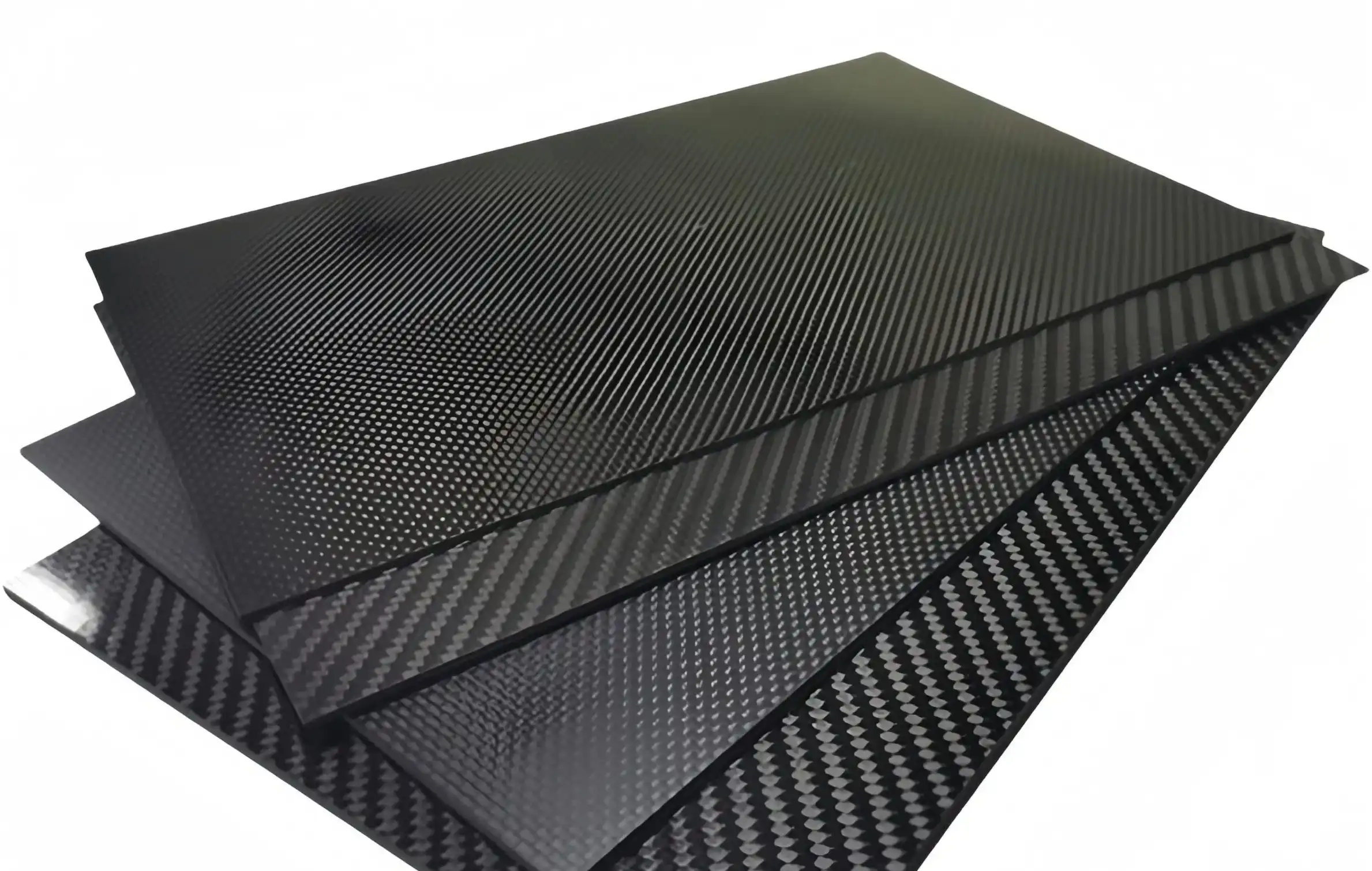
En CFRP-plate kan se utmerket ut når den forlater verkstedet og likevel forårsake problemer etter et år på utendørsutstyr. Overflaten mister glansen. Kantene blir bleke. Et boltehull begynner å vise en mørk linje rundt seg.
Karbonfiberen er sjelden den første delen som svikter. Resinoverflaten, belegget, kuttede kanter, hull og limte skjøter er vanligvis mer utsatt for sollys og vann.
For utendørs bruk, CFRP-plater trenger mer enn en pen karbonfinish. De trenger et resinsystem, kantbeskyttelse og overflatebelegg tilpasset det faktiske installasjonsmiljøet.
Hvorfor karbonfiberen ikke er den eneste delen som eldes utendørs
Karbonfiberen selv er stabil under mange utendørsforhold. Resinet rundt den er ikke alltid like stabilt.
Epoksyresin kan gulne, miste glans, kritte eller utvikle fine overflatesprekker etter langvarig eksponering for sollys. Disse endringene kan starte som kosmetiske problemer. Over tid kan de blottlegge laminatet og gjøre det lettere for fukt å trenge inn.
En kunde kan se at et panel falmer og anta at karbonfiberen har sviktet. I mange tilfeller begynner problemet ved resinoverflaten eller belegget. UV-eksponering kan forårsake fotokjemiske endringer i epoksybelegg, noe som fører til misfarging, kritting, sprekkdannelse og redusert overflateytelse.
Dette er grunnen til at “karbonfiber er værbestandig” ikke er nok informasjon for et utendørspanel. Det fullstendige materialsystemet har betydning.
Relaterte artikler:
How to Verify Insulation in Fiberglass Barrier Tubes
Hvilken prosess er bedre for et tynnvegget karbonfiberrør?
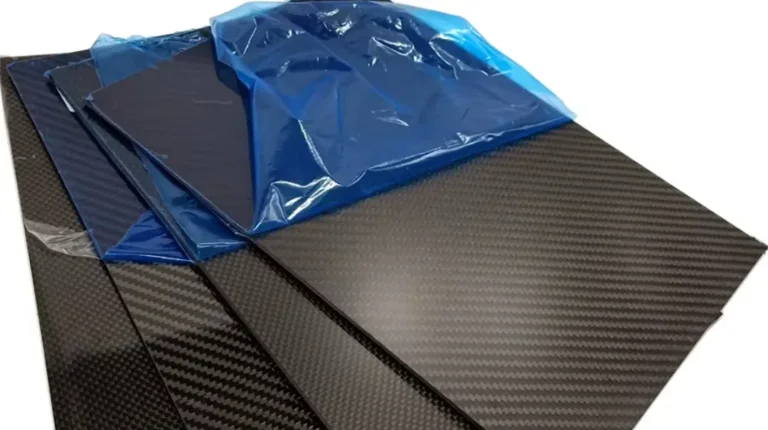
Karbonfiberplater for CNC-skjæring: Veiledning for kantfeil
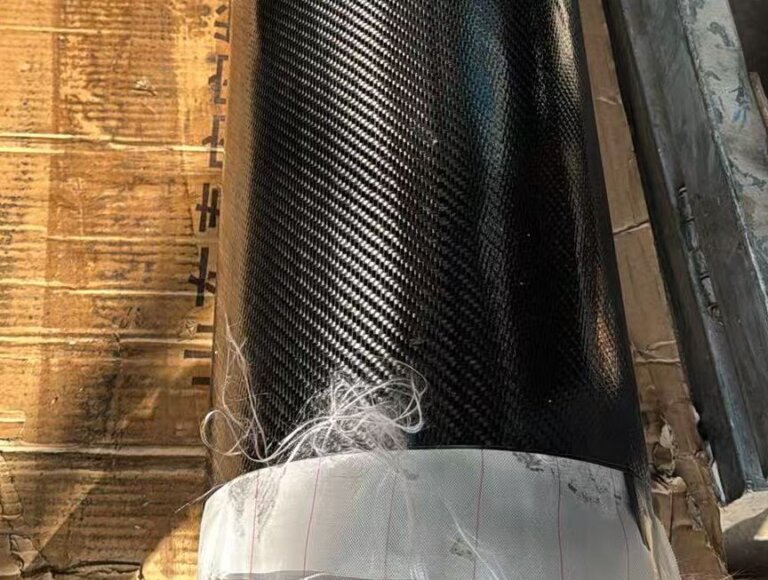
Hvordan bør kjøpere vurdere MOQ og enhetskostnader for dronerammer i karbonfiber
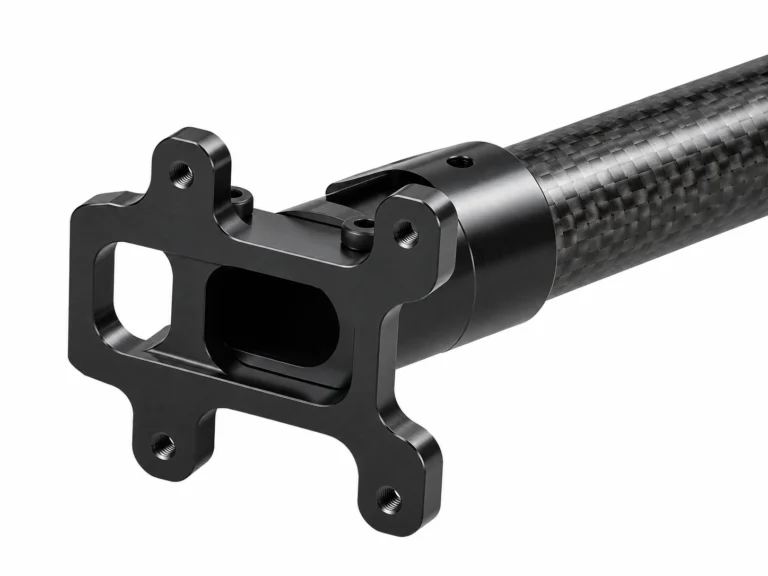
Hvordan vurdere kvalitetskontroll for karbonfiberkomponenter til droner
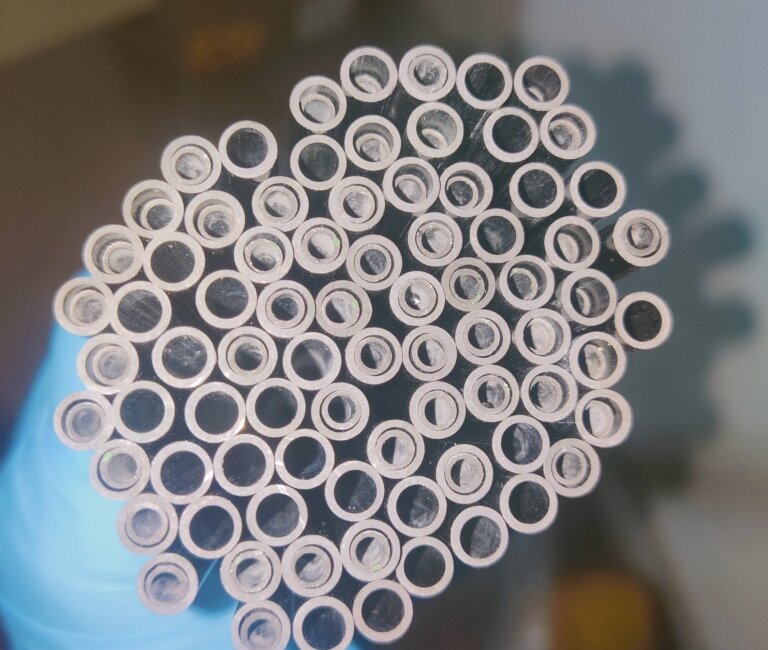
Hvordan verifisere dimensjonene til karbonfiberrør for UAV-er
Resinsystem og overflatefinish: Den første linjen for utendørs beskyttelse
Når kjøpere ber om CFRP-plater til utendørsutstyr, bør de beskrive arbeidsmiljøet før de velger finish.
En plate som brukes innendørs, trenger kanskje bare en ren overflate og god bearbeidingskvalitet. En plate som monteres på landbruksmaskiner, marint utstyr, solenergistrukturer, kommunikasjonskapslinger eller transportutstyr, utsettes for sollys, regn, fuktighet, smuss og temperaturendringer.
Still disse spørsmålene før du bestiller:
Vil platen bli utsatt for direkte sollys?
Vil den bli utsatt for saltspray, gjørme, rengjøringskjemikalier eller stående vann?
Hva er det forventede driftstemperaturområdet?
Er overflaten synlig, bærende eller begge deler?
Hvor lenge skal finishen holde seg presentabel?
Can the panel be repaired or recoated in service?
An epoxy-only surface can work in some protected applications. For long-term direct sunlight, a UV-resistant topcoat is usually the safer choice. Aliphatic polyurethane coatings generally retain color and gloss longer than epoxy-only systems under UV exposure.
Edges, Holes and Bonded Joints: Where Moisture Usually Enters
Outdoor failure often starts at the edge of a CFRP sheet, not in the middle.
A cut edge exposes the laminate layers. A drilled hole creates a new path for water. A scratch, chipped corner, or poorly sealed fastener can let moisture reach the resin and fiber interface. Once water enters, it may not remain at the surface.
Moisture can affect bonded joints as well. Water may enter along the bond line and weaken the interface between the adhesive and CFRP substrate. Research on CFRP bonded joints shows that moisture and heat can reduce joint strength over time, with damage often beginning near the edge of the bonded area.
For outdoor panels, protect the weak points:
Seal cut edges where possible
Deburr and coat drilled holes
Use washers and gaskets where fasteners pass through the sheet
Avoid leaving standing water around bolt heads
Design drainage paths so water does not collect in joints
Protect bonded areas with a compatible adhesive and edge sealing
A small edge-sealing detail can prevent a much larger repair later.
Choosing a Coating for CFRP Sheets Used Outdoors
A coating should match both the CFRP sheet and the service environment.
For a visible equipment panel, a UV-stable topcoat helps maintain color, gloss, and surface condition. For a hidden structural panel, the priority may be edge sealing, moisture resistance, and mechanical protection rather than appearance.
Common options include:
Clear protective coating over the carbon surface
Pigmented polyurethane topcoat
Epoxy primer with a UV-resistant topcoat
Protective film for transport and early service life
Local edge sealing around holes and cutouts
Do not assume that one coating suits every project. A panel near the sea may need more attention to salt exposure. A panel in a hot, sunny region may need stronger UV protection. A panel exposed to cleaning chemicals may need a different surface system.
The coating should cover the areas most likely to fail first: the face, back face, edges, drilled holes, and any bonded joint.
Testing CFRP Sheets for the Real Outdoor Environment
“Will it last outdoors?” is too broad a question for a supplier to answer accurately.
A better question is: What test conditions match the installation?
Accelerated weathering tests combine UV light, heat, and moisture to study how coatings and polymer materials respond to outdoor conditions. ASTM G154 uses fluorescent UV lamps with controlled UV and moisture cycles. ASTM G155 uses xenon arc lamps to reproduce a broader range of natural sunlight conditions.
Before testing, define:
The UV cycle and light source
Temperature and humidity conditions
Water spray or condensation exposure
Test duration
Properties to measure
Acceptance limits
Useful checks include color change, gloss loss, chalking, cracking, coating adhesion, edge condition, and mechanical strength after exposure.
Do not convert test hours directly into outdoor years. A 1,000-hour test does not automatically mean one year, five years, or ten years outdoors. The result depends on the resin, coating, UV spectrum, temperature, humidity, and the property being measured.
CFRP Sheets for Outdoor Use
Find answers about water resistance, UV exposure, outdoor coatings, edge sealing, and testing requirements for carbon fiber sheets.
01
Are CFRP sheets waterproof?
CFRP sheets resist water better than many unprotected materials, but they are not automatically maintenance-free outdoors. Water can enter through cut edges, drilled holes, scratches, and damaged coatings. Seal exposed edges and protect fastener areas for outdoor use.
02
Does carbon fiber fade in sunlight?
The carbon fiber itself is not usually the first part to fade. The resin and coating are more exposed to UV. An epoxy surface can yellow, lose gloss, chalk, or crack after outdoor exposure. Learn more about UV resistance of epoxy and polyurethane coatings.
03
Can I use an epoxy-only finish outdoors?
An epoxy-only finish may be acceptable for some protected applications, but it is not the best default for long-term direct sunlight. For outdoor equipment, an epoxy base system with a UV-resistant topcoat is often a more reliable choice. Compare epoxy and polyurethane UV resistance.
04
How should I protect cut edges and mounting holes?
Seal cut edges, coat drilled holes, and use gaskets or washers where fasteners pass through the sheet. These areas are common entry points for moisture. Good edge protection reduces the chance of water reaching the laminate or bond line. Read the related research.
05
How many UV test hours equal one year outdoors?
There is no universal conversion. The result depends on the resin, coating, UV spectrum, temperature, humidity, and test cycle. Define the test method, exposure duration, and acceptance criteria before testing.