
 English
  German
  Japanese
  Arabic
  Czech
Czech  Spanish
  French
  Korean
  Italian
  Danish
  Polish
  Turkish
  Portuguese
  Russian
  Norwegian
  Dutch
Dutch 
Table of Contents
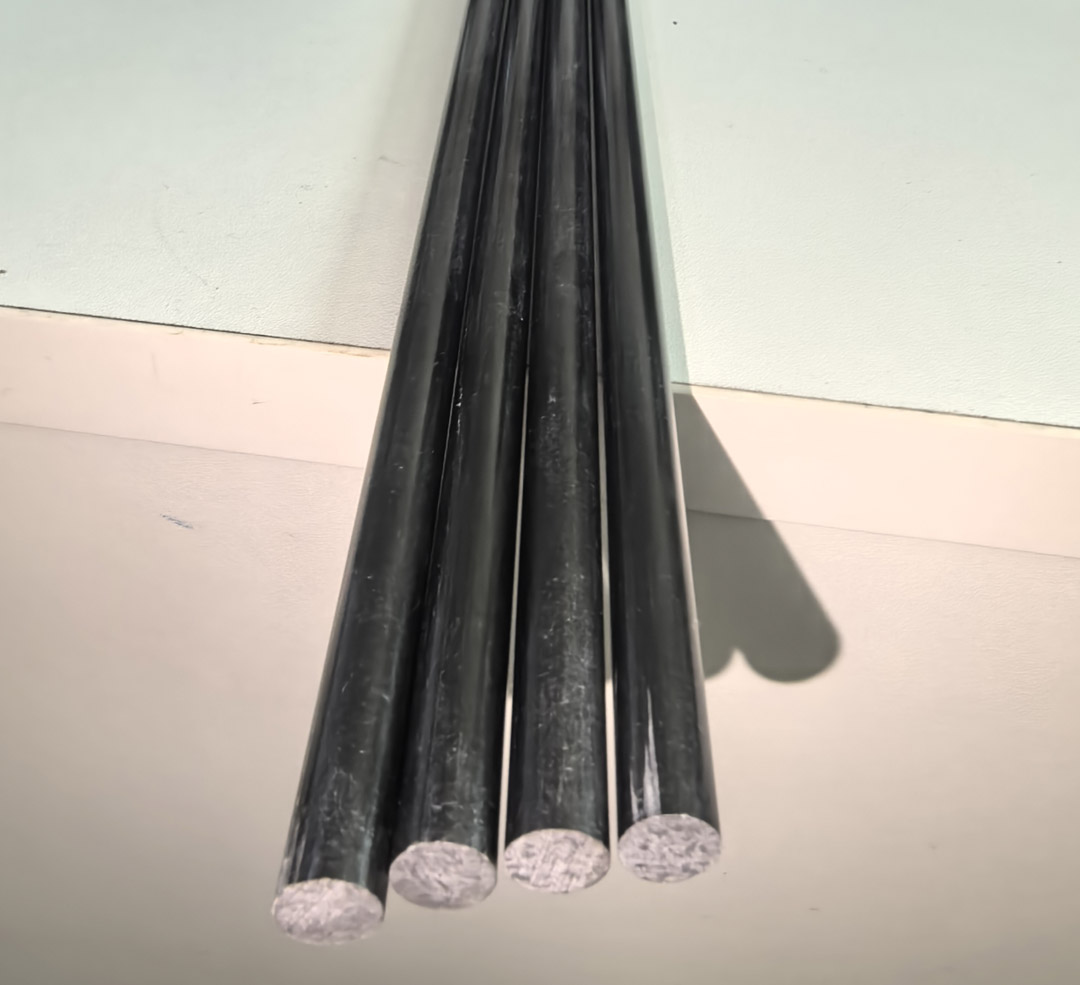
Long-span structures push materials hard. Weight climbs fast. Deflection creeps in. Fatigue shows up early. That’s where pultruded carbon fiber rod starts gaining attention across construction, marine builds, and industrial frames.
Many engineers still default toward steel. That habit feels safe. Yet performance gaps widen once span length grows. Suddenly weight matters more. Thermal drift becomes a headache. Handling turns messy.
So what actually works better for long spans—steel or carbon fiber rods? Let’s break it down from a practical, customer-first view.
References:
1. The Ideal Carbon Fibre for Drones: Sheets Materials and Options
2. How to Cut Carbon Fiber Tube?
3. Understanding the Hardness and Compression Testing of Carbon Fiber Tubes
4. Carbon Fiber vs. Graphite Rod: Which One Fits Your Needs Best
5. 8 Mistakes Engineers Make When Choosing Carbon Fiber Tube and How to Avoid Them
Understanding Pultruded Carbon Fiber Rods in Structural Use
Pultruded carbon fiber rod comes from a continuous process. Fibers pull through resin. Heat cures shape into a solid profile. Resulting structure shows high fiber alignment along length.
Because of that alignment, load transfer becomes highly efficient. Axial strength jumps. Bending resistance improves. Compared with random fiber layouts, this approach delivers consistent performance.
You’ll find options like carbon fiber rod blanks, solid carbon fiber rod, and carbon fiber square rod used across frameworks and reinforcement systems.
Superior Strength-to-Weight Ratio for Long Span Projects
Steel feels strong. However weight climbs quickly. That weight forces thicker supports. More mass creates more load.
Carbon fiber flips that equation.
A pultruded carbon fiber rod delivers similar strength at a fraction of weight. In long spans, lighter structure reduces sag risk. It also lowers foundation demand.
For example
- Steel beam requires heavy lifting equipment
- Carbon fiber rods often install by hand
That difference changes labor cost dramatically.
Exceptional Stiffness and Rigidity Over Distance
Long spans fail more from bending than breaking. Stiffness matters more than raw strength.
Pultruded carbon fiber rods maintain high modulus along fiber direction. That keeps deflection low across distance. Steel can match stiffness, though weight penalty grows fast.
So when using carbon fiber solid rod in truss systems, designers often achieve slimmer profiles without sacrificing rigidity.
Corrosion Resistance and Longevity Advantages
Steel hates moisture. Rust creeps in. Maintenance follows.
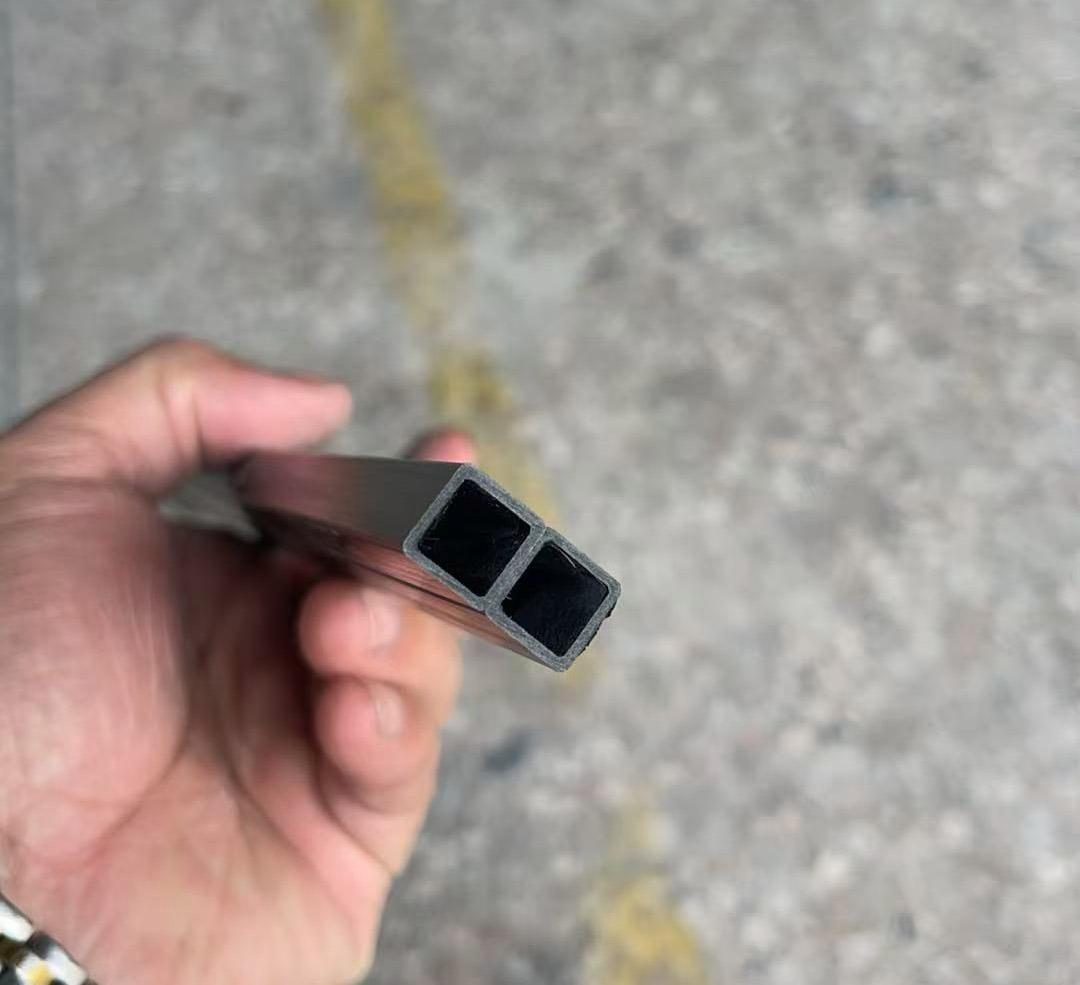
Carbon fiber rods resist corrosion naturally. No coatings needed. No repaint cycles. That matters in bridges, marine builds, outdoor frames.
Additionally
- Saltwater exposure causes minimal damage
- Chemical resistance stays strong
- Lifespan extends without heavy upkeep
That cuts long-term cost even if upfront price feels higher.
Reduced Thermal Expansion for Precision Structures
Temperature swings ruin alignment. Steel expands. Contracts. Moves more than expected.
Pultruded carbon fiber rod shows very low thermal expansion. Structures stay stable across hot or cold conditions.
This matters in
- antenna frames
- precision support rigs
- aerospace fixtures
Less movement means fewer recalibration headaches.
Easier Installation and Handling in Real Projects
Heavy steel requires cranes. Skilled rigging teams. More time.
Carbon fiber rods shift workflow. Crews carry pieces manually. Faster assembly happens. That cuts project timelines.
Also
- less fatigue for workers
- fewer safety risks
- easier transport logistics
Even carbon fiber cleaning rod applications benefit from lightweight handling in confined environments.
Fatigue Resistance and Structural Reliability
Repeated loads kill steel slowly. Micro cracks grow. Failure appears without warning.
Carbon fiber behaves differently. Fibers absorb cyclic loads more efficiently. Fatigue life extends significantly.
That’s why carbon fiber connecting rods appear in high-performance engines and dynamic systems.
For long spans exposed to wind or vibration, this reliability becomes critical.
Design Flexibility and Innovation Opportunities
Steel limits shape freedom. Bending or welding adds cost.
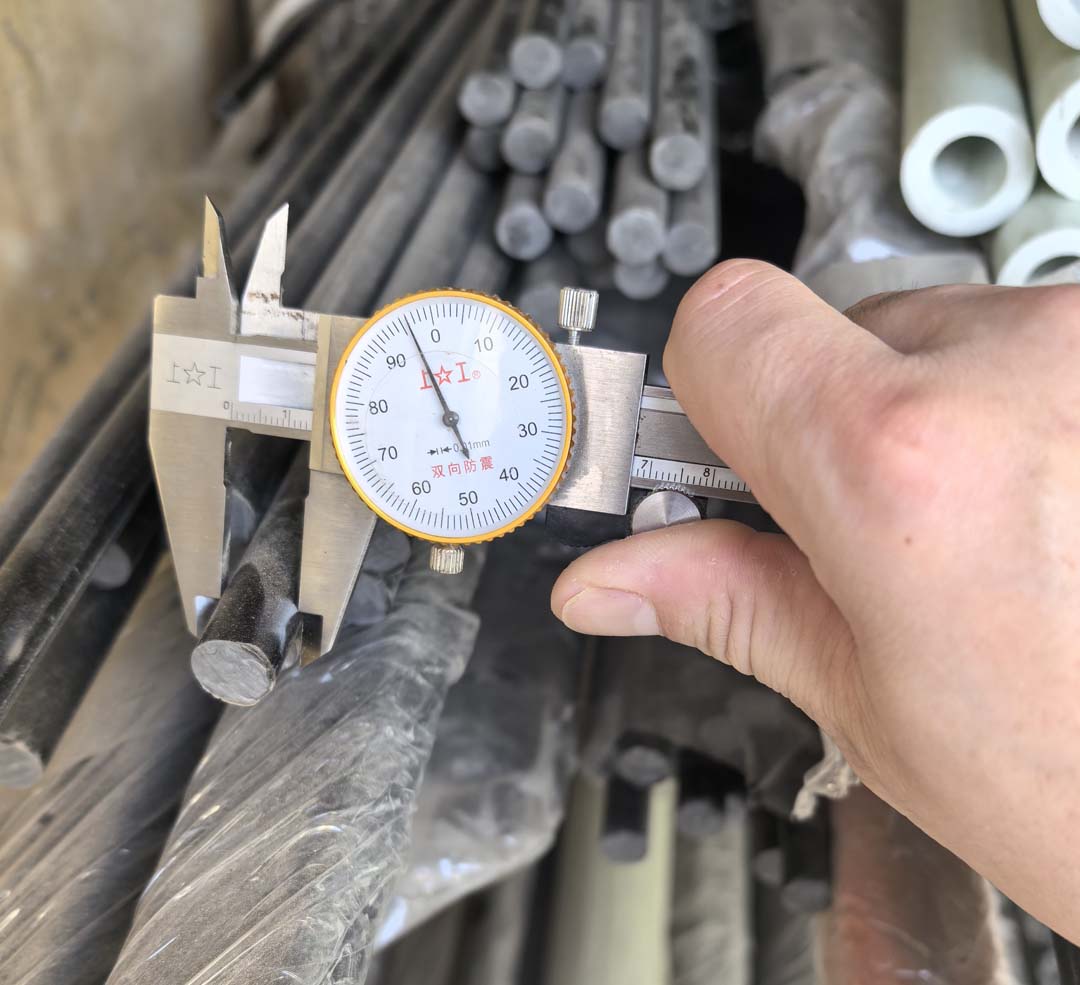
Carbon fiber rods allow creative layouts. Designers mix
- carbon fiber rods with composite panels
- hybrid frames using metals where needed
- modular assemblies using connectors
Even carbon fiber square rod offers alignment benefits in frame joints.
This flexibility supports modern lightweight architecture and mobile structures.
Sustainability and Lifecycle Efficiency
Steel production consumes high energy. Maintenance adds more impact later.
Carbon fiber production also uses energy, yet lifecycle tells a different story.
Because structures weigh less
- transport emissions drop
- installation energy drops
- maintenance drops
Long service life balances initial footprint.
In many projects, lifecycle efficiency beats traditional materials.
Steel vs Pultruded Carbon Fiber Rod: Practical Decision Guide
Choose steel when
- budget stays tight
- short spans dominate
- high impact risk exists
Choose pultruded carbon fiber rod when
- long spans require low deflection
- weight reduction matters
- corrosion risk stays high
- installation speed matters
In hybrid builds, mixing both materials often gives best results.
Final Thoughts: Which Works Better for Long Spans?
Pultruded carbon fiber rod clearly wins in long-span scenarios where weight, stiffness, and durability drive decisions. Steel still plays a role, especially in cost-sensitive builds.
However, as span length increases, carbon fiber rods deliver better efficiency, lower maintenance, and longer service life.
For engineers chasing performance without excess mass, carbon fiber becomes hard to ignore.