
 Czech
 English
 German
 Spanish
 Hebrew
 French
 Danish
 Portuguese
 Norwegian
 Dutch
Obsah
Navíjení z rolí vs. navíjení vláken: Rozdíly v procesu
Související články:
Který proces je lepší pro tenkostěnnou karbonovou trubku?
Uhlíkové vláknité desky pro CNC řezání: Průvodce vadami hran
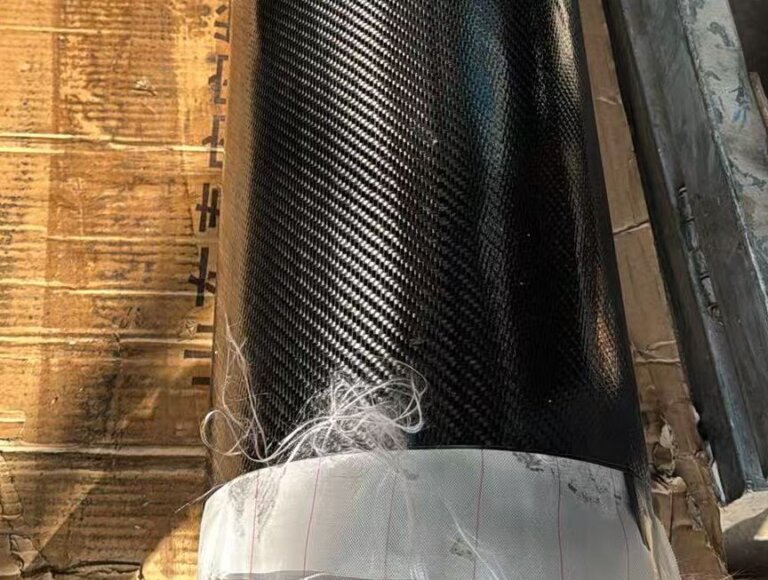
Jak mají kupující posuzovat minimální objednací množství (MOQ) a jednotkové náklady na rámy dronů z uhlíkových vláken
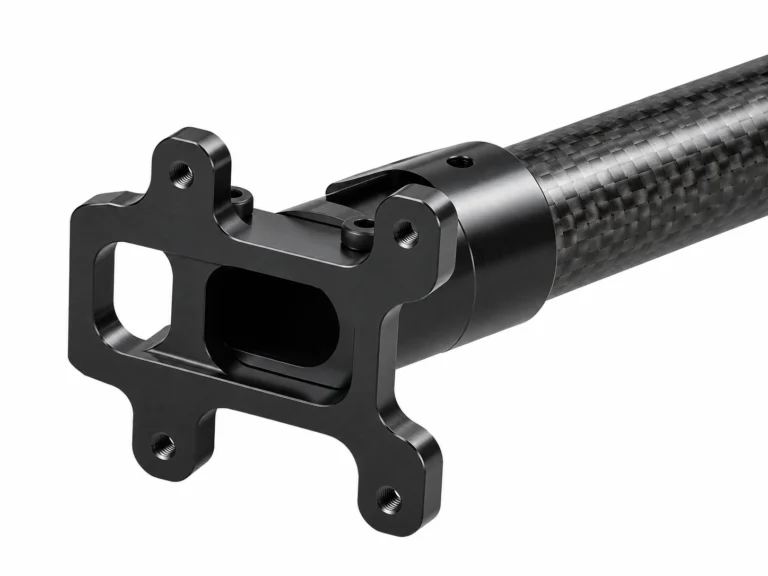
Jak hodnotit kontrolu kvality u komponent dronů z uhlíkových vláken
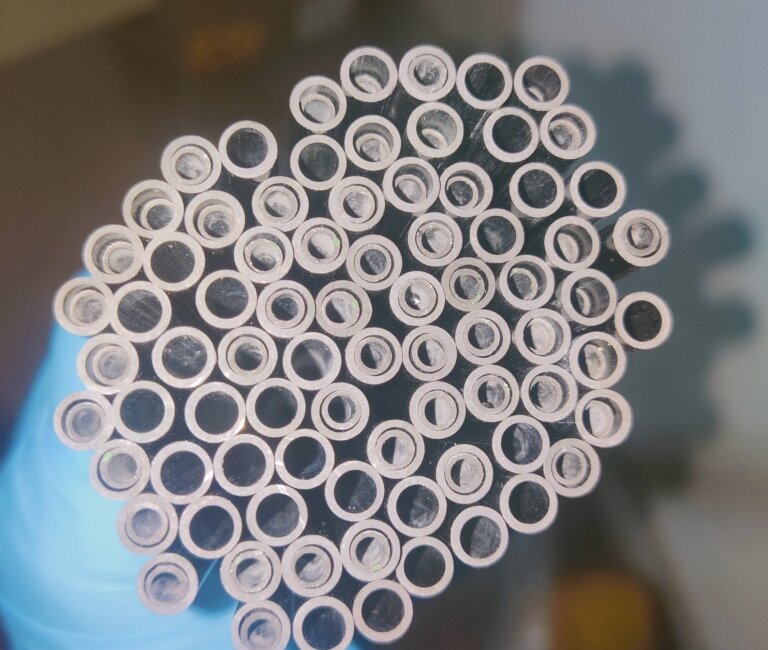
Jak ověřit rozměry uhlíkových trubek pro UAV
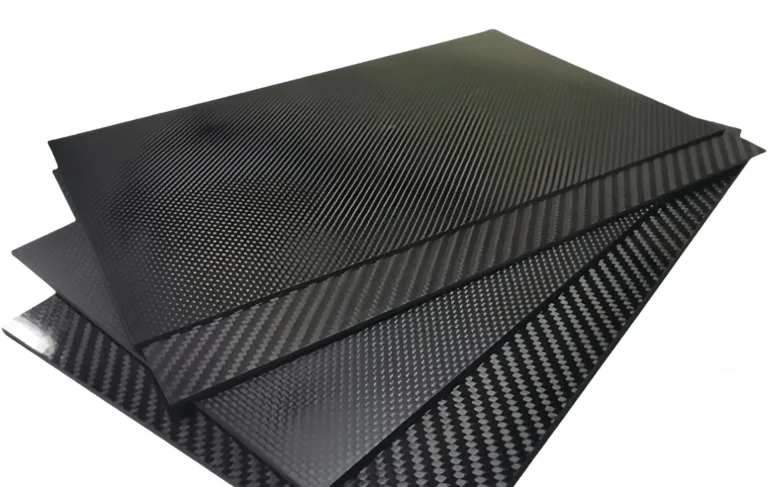
CFRP desky pro venkovní vybavení: UV záření, vlhkost a dlouhodobé povětrnostní vlivy
Pevnost a kladecí plán tenkostěnné karbonové trubky
O pevnosti by se mělo vždy diskutovat ve vztahu ke skutečnému zatěžovacímu případu. Trubka používaná pro kroužky krytu rotoru motoru může vyžadovat značnou obvodovou výztuž pro odolání obvodovým zatížením, ale návrh pouze s obvodovou výztuží je zřídka úplnou odpovědí.
Axiální výztuž
Určitá axiální výztuž může podpořit axiální stabilitu a zlepšit užitečnost trubky při manipulaci, řezání a montáži.
Ohybová a torzní zatížení
Pokud aplikace zahrnuje také ohyb nebo kroucení, mohou být nezbytné další orientace vláken. Více obvodového materiálu automaticky nekompenzuje nedostatečnou výztuž v jiných směrech.
Balení do rolí
Navíjení z rolí umožňuje uspořádat jednotlivé prepregové vrstvy v přizpůsobeném sledu.
Filament Winding
Navíjení vláken může efektivně umístit kontinuální vlákna v určených úhlech navíjení, včetně vzorů blízkých obvodovému směru.
Kvalita hotového laminátu
V obou případech závisí konečný výkon na více než jen na úhlu vláken. Objemový podíl vláken, rozložení pryskyřice, obsah dutin, mezivrstvové spojení, vytvrzování a konzistence tloušťky stěny všechny ovlivňují hotový laminát.
Kupující by proto měli popsat aplikaci a zatěžovací podmínky, místo aby požadovali konkrétní proces pouze proto, že se předpokládá, že je pevnější.
Thin Wall Carbon Fiber Tube Tolerance and Finish
Large Diameter, Thin Walls: Why Process Selection Matters
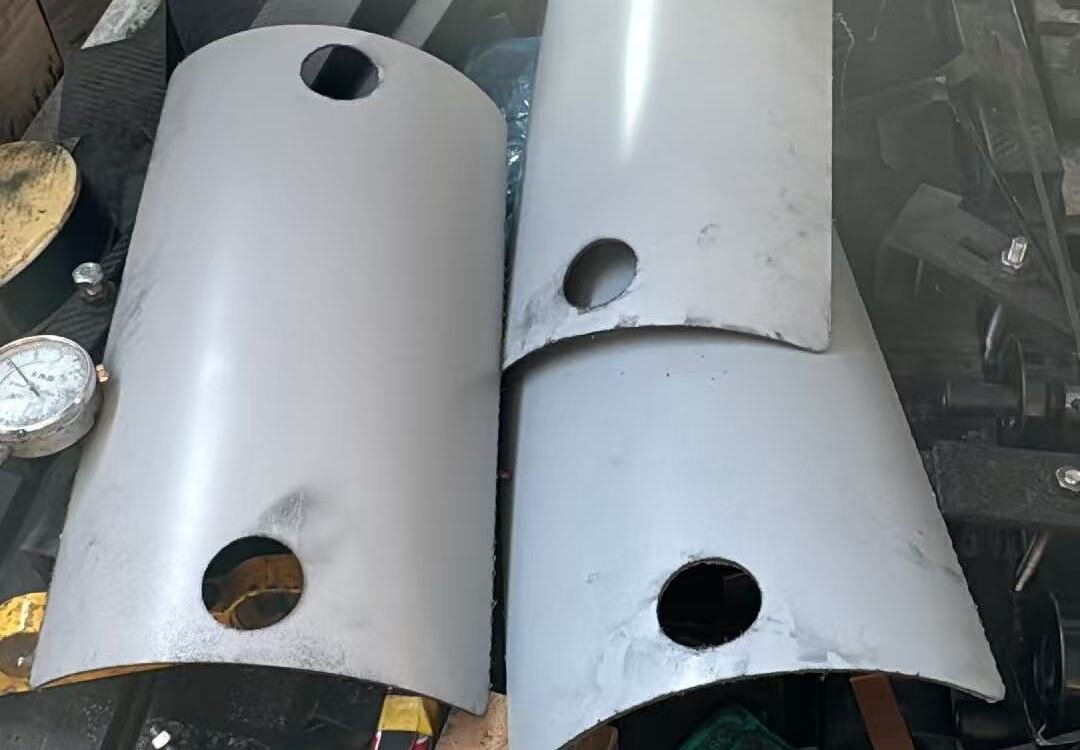
Large diameter and thin wall construction create a more demanding manufacturing and handling combination. A tube with an inner diameter of 197 mm and a wall thickness of only 2 mm has less sectional depth available to resist local distortion than a smaller or thicker-walled tube.
Manufacturing and Handling Control
This makes consolidation, curing, demolding, storage, and packaging particularly important.
Diameter, Ovality, and Local Variation
The manufacturer must control not only the average diameter but also ovality and local variation.
Ring Cutting and Machining
Cutting the tube into rings introduces additional considerations because the subsequent clamping and machining operations can apply localized forces.
Epoxy System and Cure Schedule
Thermal requirements also belong in the process discussion. If the tube must use an epoxy system with a Tg of at least 120°C, the resin and cure schedule should be confirmed through appropriate supplier documentation.
Documented Tg Value and Test Basis
A generic description such as “high-temperature epoxy” is not a substitute for an actual Tg value and its test basis.
For an operating temperature of approximately 90°C, buyers should still evaluate the complete motor environment and verify the material requirements for their specific design rather than relying on the temperature comparison alone.
How to Choose a Thin Wall Carbon Fiber Tube
- Critical inner and outer dimensions, including tolerances
- Wall thickness, length, roundness, and straightness requirements
- Hoop, axial, bending, and torsional loading conditions
- Operating temperature and required resin Tg
- Inner and outer surface requirements
- Details of subsequent cutting, bonding, or assembly
- Prototype quantity and expected future demand
Custom Prototypes: Comparing Setup, Flexibility, and Cost
Výběr správného dodavatele trubek z uhlíkových vláken pro váš projekt
If you are comparing carbon fiber suppliers and noticing unexpected price or performance differences, it is worth taking a closer look at how each manufacturer manages its production process. A brief technical discussion early on can often reveal risks that are not visible in a quotation.
The engineering team at CarbonCore Dynamics is available to review your drawings, materials, and performance requirements before production begins—helping you avoid costly revisions and ensuring the final product meets real-world demands.