 Italian
  English
  German
  Japanese
  Arabic
  Czech
Czech  Spanish
  French
  Danish
  Polish
  Portuguese
  Norwegian
  Dutch
Dutch 
Indice dei contenuti
In breve:
Perché la dicitura “T700” su un’etichetta non è sufficiente
Le dichiarazioni relative al tipo di fibra devono essere documentate. L’etichetta da sola non dimostra che il tubo sia stato prodotto con il tipo di fibra di carbonio richiesto dal vostro progetto.
1.1 Le differenze nelle specifiche dei modelli T700 e T300
I numeri contano. La fibra di carbonio T700 raggiunge Resistenza alla trazione di 4900 MPa, che è superiore di 38,81 TP3T rispetto al T300 a 3530 MPa. Entrambi condividono lo stesso Modulo di elasticità a trazione pari a 230 GPa. Stessa rigidità. Maggiore resistenza. Questa differenza influisce direttamente sui calcoli dello spessore delle pareti.
| Proprietà | T300 | T700S | Unità |
|---|---|---|---|
| Resistenza alla trazione | 3530 | 4900 | MPa |
| Modulo di elasticità | 230 | 230 | GPa |
| Allungamento a rottura | 1.5 | 2.1 | % |
| Densità | 1.76 | 1.80 | g/cm³ |
| Diametro del filamento | 7 | 7 | µm |
A livello di laminato, il divario rimane invariato: il composito unidirezionale T700/EP raggiunge circa Resistenza alla trazione a 0°: 1800 MPa rispetto al T300/EP a circa 1500 MPa, basato su fibra 55% e matrice epossidica. Si tratta di una differenza a livello di componente rispetto al 20%.
1.2 Cosa va storto quando il "T700" non è un T700
Un caso tipico di guasto si verifica quando un acquirente richiede un tubo T700, riceve il prodotto etichettato di conseguenza, realizza dei prototipi e poi constata che il componente cede a un carico inferiore a quello di progetto. Il tubo sembra a posto. Stesse dimensioni. Stessa trama. Fibra sbagliata.
La catena di errori è chiara: un fornitore sostituisce la fibra di grado T300 o un equivalente nazionale, fatturando però al prezzo del T700. Il tubo ha lo stesso peso. Ha le stesse dimensioni. Si rompe a un carico inferiore di circa 20%. L’acquirente se ne accorge solo dopo l’assemblaggio.
I produttori cinesi potrebbero etichettare i gradi prodotti sul mercato interno, come l’SYT49S di Zhongfu Shenying, come “grado T700”. Questi equivalenti possono garantire buone prestazioni. Ma «equivalente» non significa «identico», e la differenza va considerata nel margine di sicurezza del progetto, non rilevata durante i test.
UD vs ±45° con struttura intrecciata — Adattare la struttura al carico
Rigidità assiale vs rigidità torsionale
L'orientamento delle fibre è più importante della qualità delle fibre. A Tubo UD T700 sotto torsione può cedere prima di un tubo intrecciato in T300 sottoposto allo stesso carico.
Nella struttura unidirezionale (UD) tutte le fibre sono allineate a 0° lungo l’asse del tubo. Risultato: modulo assiale massimo (circa 135 GPa a livello del composito) e resistenza alla trazione. Tuttavia, non garantisce quasi nessuna rigidità torsionale. Quando viene applicato un carico di torsione a un tubo in puro UD, è la matrice di resina a sostenere la maggior parte dello sforzo.
La struttura intrecciata a ±45° orienta le fibre con angoli opposti di 45 gradi. La rigidità assiale diminuisce, ma la rigidità torsionale e la resistenza allo schiacciamento aumentano in modo significativo. La struttura intrecciata distribuisce le forze di taglio lungo l'intera rete di fibre.
Regola decisionale:
Carico a predominanza assiale (montante, trave, longherone di UAV) → UD >70%
Carico a prevalenza di torsione (albero di trasmissione, telaio di una sedia a rotelle in curva, braccio robotico) → treccia ±45° >50%
Il tubo strutturale ottimale spesso combina entrambe le caratteristiche: un’anima in UD per garantire la rigidità assiale e strati esterni intrecciati per garantire resistenza alla torsione e agli urti.
Mappatura delle applicazioni
Non esiste un unico tipo di giunzione che sia ideale in tutte le situazioni. È necessario adattare la struttura al carico dominante:
Telaio per sedia a rotelle sportiva: struttura ibrida intrecciata. Resiste sia ai carichi torsionali in curva sia alla flessione causata dal peso dell'utente.
Braccio dell'UAV / braccio del drone: a predominanza UD. Il carico principale è la flessione lungo l'asse del braccio.
Rullo industriale: struttura intrecciata. La resistenza alle sollecitazioni circonferenziali e agli urti è più importante della resistenza alla trazione assiale.
Montante/colonna strutturale: a predominanza UD. La progettazione è determinata dalla resistenza alla compressione e all’instabilità.
Errore comune: specificare un tubo esclusivamente UD per applicazioni soggette a carichi torsionali. Il tubo può sembrare rigido durante la manipolazione, ma sotto carichi multiasse reali può rompersi lungo la direzione della fibra.
Articoli correlati:
Carbon Fiber Tube Selection Guide for Industrial Applications
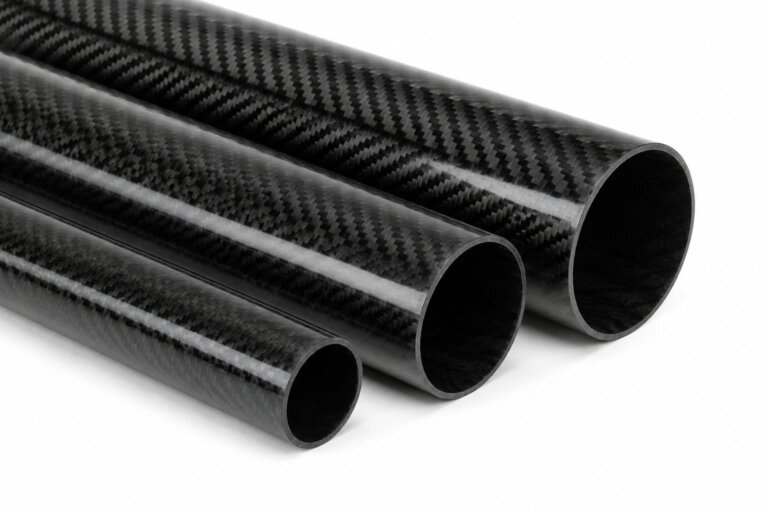
Come scegliere il tubo in fibra di carbonio da 4 pollici più adatto al tuo progetto
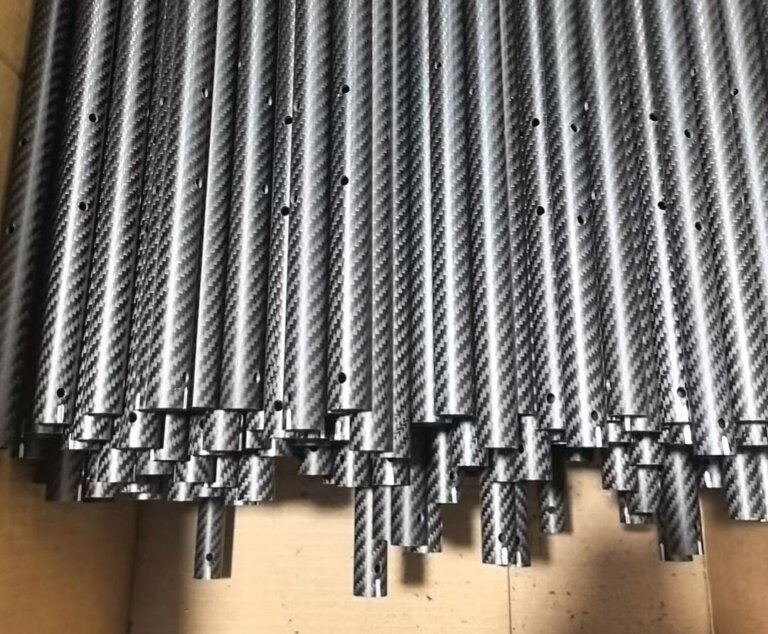
Perché i tubi in fibra di carbonio sono fondamentali per i moderni UAV
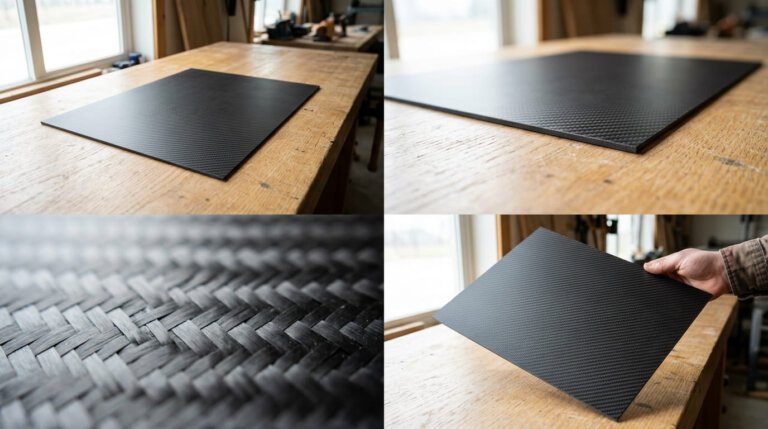
Come trovare lamiere per il settore aerospaziale senza lunghi tempi di consegna
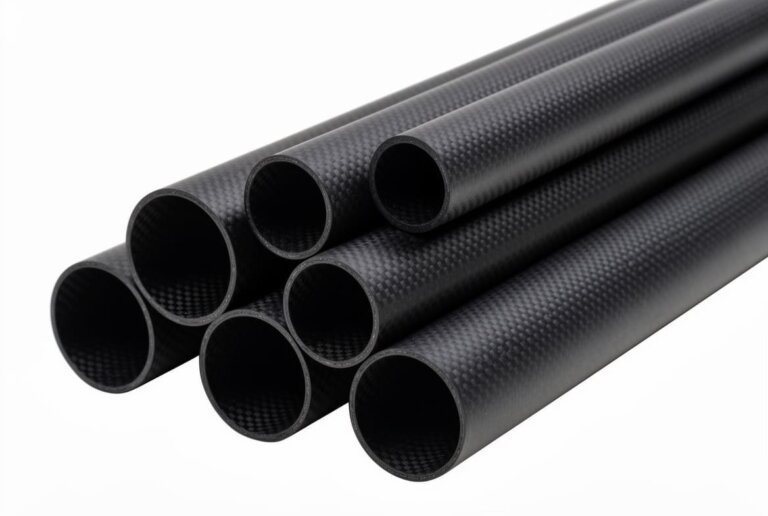
I tubi in fibra di carbonio nell'industria europea dei compositi | Tendenze di mercato nel 2026
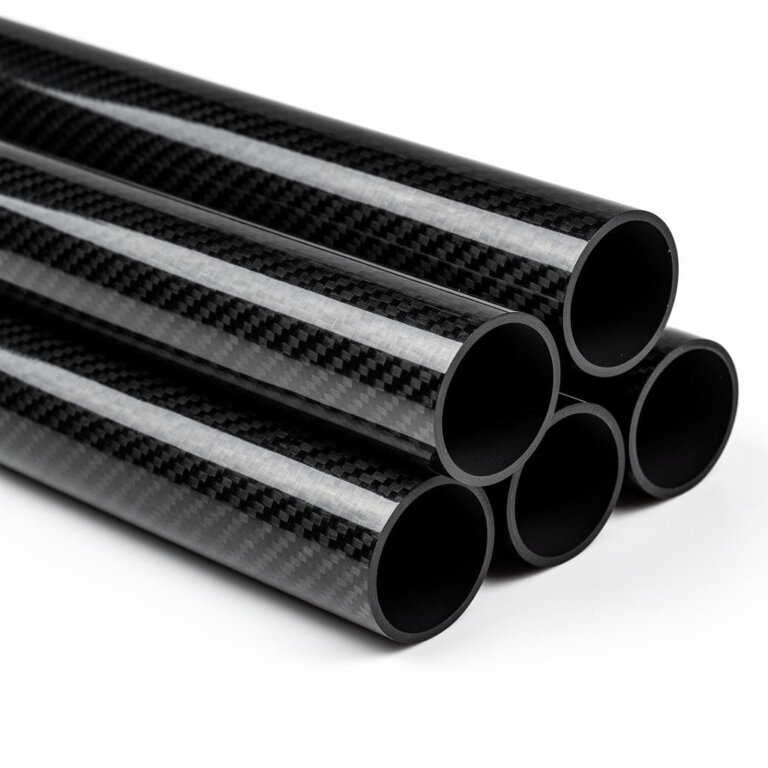
Come richiedere un preventivo per un singolo tubo personalizzato in fibra di carbonio
Come verificare la qualità del materiale prima di prendere una decisione definitiva
Prima di effettuare un ordine all'ingrosso di tubi in fibra di carbonio, verificare la documentazione, la tracciabilità, le prestazioni dei campioni e i sistemi di qualità dei fornitori.
3.1 Cosa deve contenere una scheda tecnica attendibile
Un vero e proprio certificato di analisi non è un PDF di una sola pagina con la dicitura "T700" e un logo. Secondo il Manuale dei requisiti di qualità per i fornitori di Teijin Carbon, gli elementi minimi che devono figurare in un certificato di analisi sono:
La norma ISO 9001 rappresenta la certificazione di base per i sistemi di qualità. La norma AS9100D indica una tracciabilità di livello aerospaziale, che è importante per le applicazioni strutturali, sebbene non sempre necessaria per l'uso industriale generale. Verificare la validità della certificazione nella banca dati pubblica dell'ente certificatore.
3.2 Il flusso di lavoro di verifica “Sample-First”
Riduci i rischi dell'acquisto in quattro passaggi:
Richiedi la scheda tecnica + il certificato di analisi (COA)
Prima del pagamento, prima della produzione. Se il fornitore esita, lasciate perdere.
Verificare il grado della fibra
Confrontare i valori del COA con le specifiche nominali di Toray. La densità è di circa 1,80 g/cm³ per il T700 e di 1,76 g/cm³ per il T300.
Ordina un campione tagliato
I tempi di consegna tipici sono di circa 7 giorni dai produttori cinesi. Verificare le dimensioni, la finitura superficiale e la compatibilità di incollaggio.
Test nell'applicazione
Caricare in base alle condizioni di progetto. Verificare le prestazioni prima di procedere con l'ordine all'ingrosso, per il quale i tempi di consegna sono in genere di 20-25 giorni.
3.3 Segnali di allarme relativi ai fornitori
Fai attenzione a questi segnali. Anche uno solo di essi richiede cautela. Se ne compaiono due o più, è meglio cercare un altro fornitore.
Domande frequenti
Domanda 1: Il T700 è sempre migliore del T300 per i tubi in fibra di carbonio?
No. Il T700 ha una resistenza superiore di circa 39%, ma presenta la stessa rigidità di 230 GPa. Se il vostro progetto è limitato dalla rigidità piuttosto che dalla resistenza, il T300 potrebbe soddisfare i requisiti a un costo inferiore.
Domanda 2: Qual è la differenza tra i tubi UD e quelli in fibra di carbonio intrecciata?
I tubi UD allineano le fibre lungo l'asse del tubo per garantire la massima rigidità assiale. I tubi intrecciati orientano le fibre a ±45° per garantire la rigidità torsionale. I migliori tubi strutturali utilizzano una struttura ibrida: un'anima UD combinata con strati esterni intrecciati.
Domanda 3: Come posso verificare che un tubo sia realizzato con vera fibra T700?
Richiedere un certificato di analisi (COA) a livello di lotto con i dati delle prove effettuate, tra cui resistenza alla trazione, modulo di elasticità, densità e allungamento. Verificare la densità (circa 1,80 g/cm³ per il T700 contro circa 1,76 per il T300). Se il fornitore fornisce solo i valori nominali riportati nel catalogo, considerare tali dati come non verificati.
Domanda 4: È consigliabile ordinare dei campioni prima di procedere con un ordine all'ingrosso?
Sì. Un ordine di campioni consente di verificare le dimensioni, la finitura superficiale, la qualità della fibra e le prestazioni di incollaggio. I tempi di consegna tipici per i campioni sono di circa 7 giorni, mentre la produzione in serie richiede 20–25 giorni. La fase di campionatura rappresenta una misura di controllo dei rischi a basso costo.
D5: Quali certificazioni dovrebbe possedere un fornitore di tubi in fibra di carbonio?
Come requisito minimo, la certificazione ISO 9001. Per le applicazioni strutturali o critiche per la sicurezza si raccomanda la certificazione AS9100D. Verificare sempre i certificati tramite la banca dati pubblica dell’ente certificatore, poiché la documentazione può essere falsificata.
Domanda 6: La finitura opaca o lucida influisce sull'adesione?
La finitura opaca offre una superficie più adatta all'incollaggio, poiché la sua struttura migliora l'interblocco meccanico. Per le strutture incollate, è necessario specificare una finitura opaca e verificare l'adesione durante la validazione dei campioni.