
 Hebrew
 English
 German
 Czech
 Spanish
 French
 Danish
 Portuguese
 Norwegian
 Dutch
תוכן עניינים
גליל עטוף לעומת כריכת חוט: הבדלים בתהליך
מאמרים קשורים:
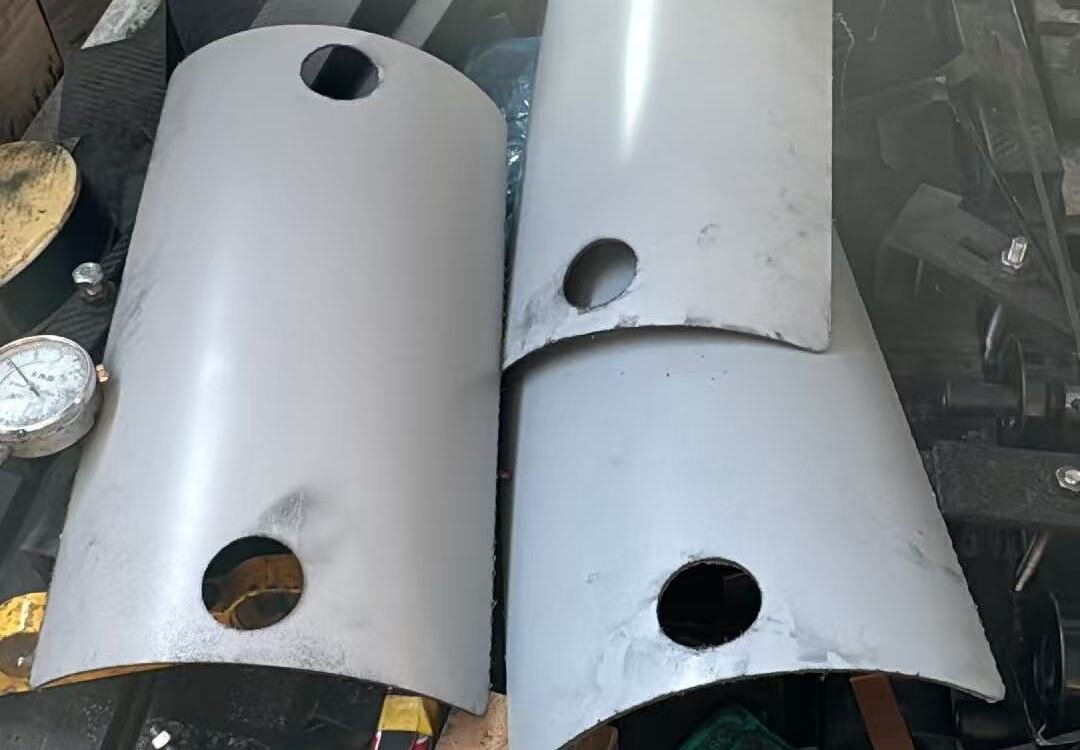
איזה תהליך עדיף לצינור סיבי פחמן בעל דופן דקה?
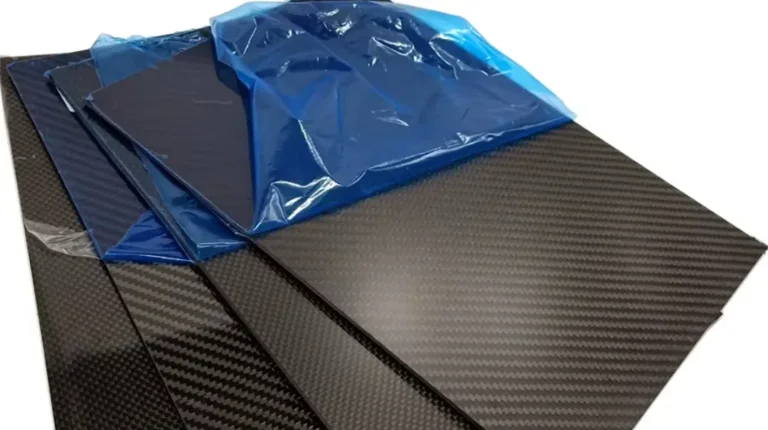
יריעות סיבי פחמן לחיתוך CNC: מדריך לפגמי קצה
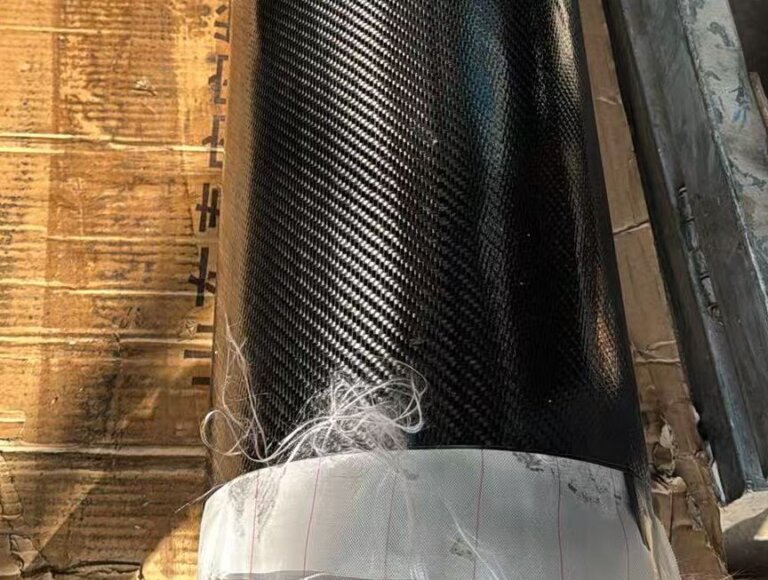
כיצד על קונים להעריך MOQ ועלויות ליחידה עבור מסגרות רחפן מסיבי פחמן
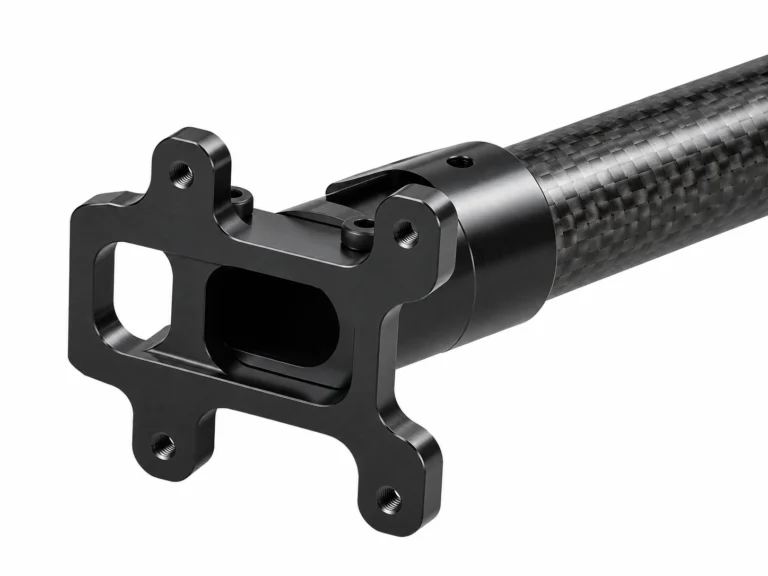
כיצד להעריך בקרת איכות של רכיבי רחפן מסיבי פחמן
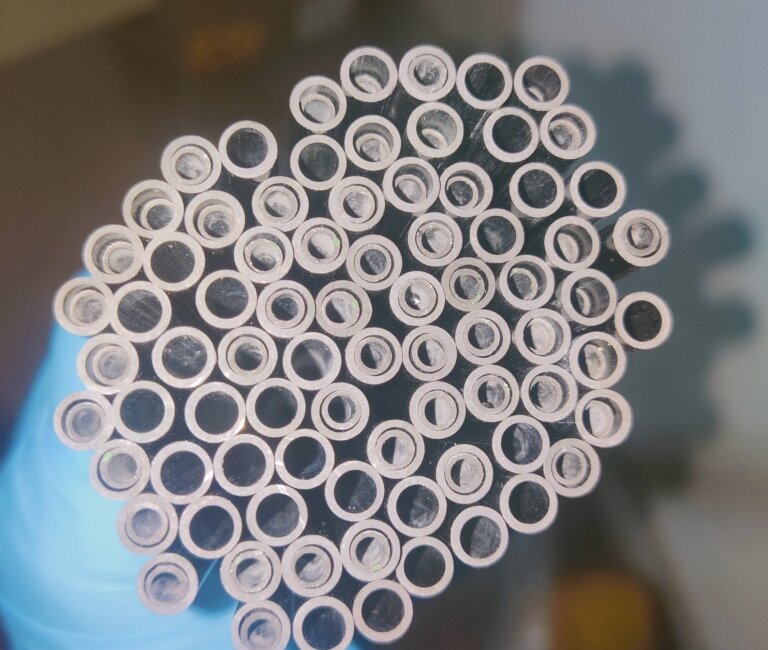
כיצד לאמת מידות של צינורות סיבי פחמן עבור UAVs
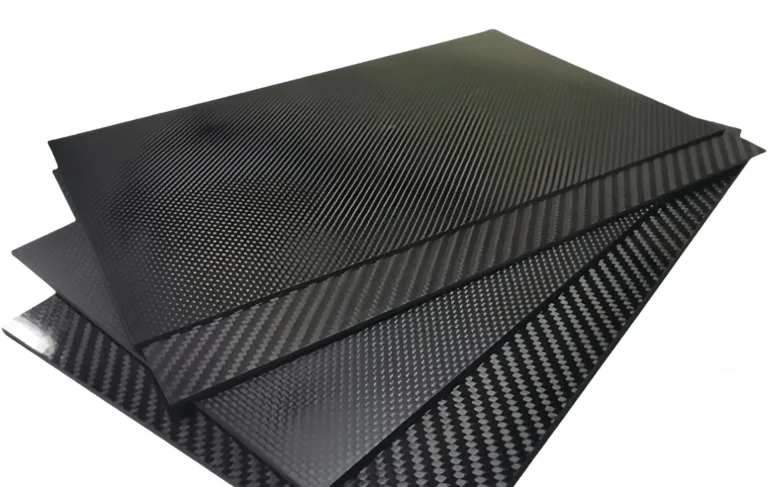
יריעות CFRP לציוד חוץ: קרינת UV, לחות ובלייה ארוכת טווח
חוזק והנחת שכבות של צינור סיבי פחמן בעל דופן דקה
יש תמיד לדון בחוזק ביחס למקרה העמסה בפועל. צינור המשמש לטבעות בית רוטור של מנוע עשוי לדרוש חיזוק היקפי משמעותי כדי לעמוד בעומסים היקפיים, אך תכנון היקפי בלבד הוא לעתים נדירות הפתרון השלם.
חיזוק צירי
חיזוק צירי מסוים יכול לתמוך ביציבות צירית ולשפר את השימושיות של הצינור במהלך טיפול, חיתוך והרכבה.
עומסי כפיפה ופיתול
אם היישום כולל גם כפיפה או פיתול, ייתכן שיידרשו כיווני סיבים נוספים. חומר היקפי רב יותר אינו מפצה באופן אוטומטי על חיזוק בלתי מספק בכיוונים אחרים.
עטיפה בגליל
גליל עטוף מאפשר לסדר שכבות פריפרג בודדות ברצף מותאם אישית.
ליפוף סיבים
כריכת חוט יכולה להניח סיבים רציפים ביעילות בזוויות כריכה מוגדרות, כולל דפוסים קרובים להיקפי.
איכות הלמינט המוגמר
בכל מקרה, הביצועים הסופיים תלויים ביותר מאשר בזווית הסיבים. שבר נפח הסיבים, פיזור השרף, תכולת החללים, הידבקות בין-שכבתית, האשחה ועקביות עובי הדופן — כולם משפיעים על הלמינט המוגמר.
לכן על הרוכשים לתאר את היישום ואת תנאי ההעמסה, במקום לבקש תהליך מסוים רק מפני שמניחים שהוא חזק יותר.
Thin Wall Carbon Fiber Tube Tolerance and Finish
Large Diameter, Thin Walls: Why Process Selection Matters
Large diameter and thin wall construction create a more demanding manufacturing and handling combination. A tube with an inner diameter of 197 mm and a wall thickness of only 2 mm has less sectional depth available to resist local distortion than a smaller or thicker-walled tube.
Manufacturing and Handling Control
This makes consolidation, curing, demolding, storage, and packaging particularly important.
Diameter, Ovality, and Local Variation
The manufacturer must control not only the average diameter but also ovality and local variation.
Ring Cutting and Machining
Cutting the tube into rings introduces additional considerations because the subsequent clamping and machining operations can apply localized forces.
Epoxy System and Cure Schedule
Thermal requirements also belong in the process discussion. If the tube must use an epoxy system with a Tg of at least 120°C, the resin and cure schedule should be confirmed through appropriate supplier documentation.
Documented Tg Value and Test Basis
A generic description such as “high-temperature epoxy” is not a substitute for an actual Tg value and its test basis.
For an operating temperature of approximately 90°C, buyers should still evaluate the complete motor environment and verify the material requirements for their specific design rather than relying on the temperature comparison alone.
How to Choose a Thin Wall Carbon Fiber Tube
- Critical inner and outer dimensions, including tolerances
- Wall thickness, length, roundness, and straightness requirements
- Hoop, axial, bending, and torsional loading conditions
- Operating temperature and required resin Tg
- Inner and outer surface requirements
- Details of subsequent cutting, bonding, or assembly
- Prototype quantity and expected future demand
Custom Prototypes: Comparing Setup, Flexibility, and Cost
בחירת ספק צינורות סיבי פחמן מתאים לפרויקט שלך
אם אתם משווים ספקי סיבי פחמן ולשים לב להבדלים בלתי צפויים במחיר או בביצועים, כדאי להסתכל מקרוב על האופן שבו כל יצרן מנהל את תהליך הייצור שלו. דיון טכני קצר בשלב מוקדם יכול לעתים קרובות לחשוף סיכונים שאינם נראים בהצעת מחיר.
צוות ההנדסה של קרבונקור דינמיקס עומד לרשותכם לבחון את השרטוטים, החומרים ודרישות הביצועים שלכם לפני תחילת הייצור—כדי לעזור לכם להימנע מתיקונים יקרים ולהבטיח שהמוצר הסופי עומד בדרישות העולם האמיתי.