 Norwegian
 English
 German
 Japanese
 Arabic
 Czech
 Spanish
 French
 Italian
 Danish
 Polish
 Portuguese
 Dutch
Innholdsfortegnelse
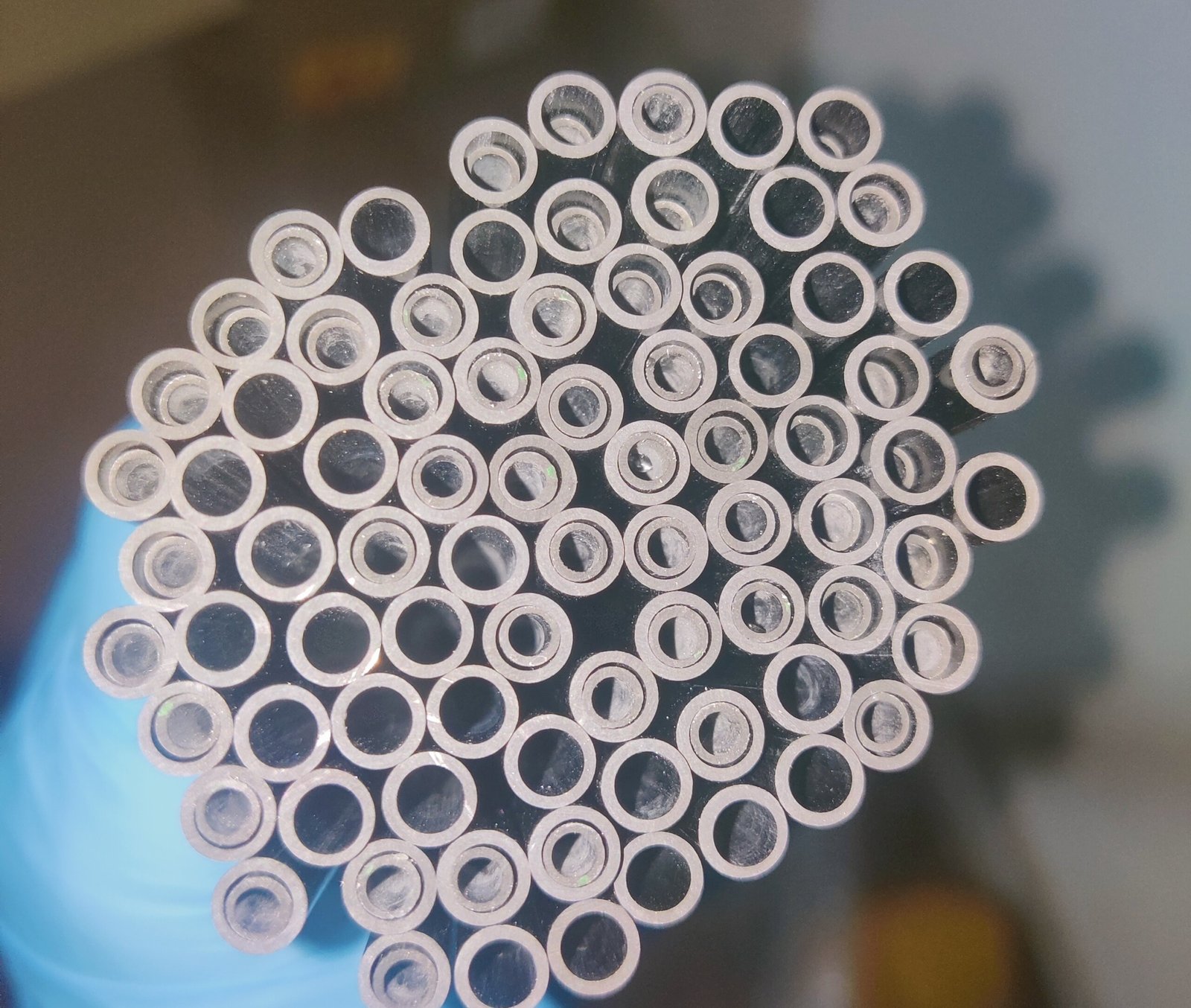
En praktisk guide til kontroll av ytre diameter, indre diameter, veggtykkelse og retthet – fra godkjenning av prøve til batchinspeksjon.
Dimensjonsnøyaktighet påvirker hvor smidig et rør passer inn i en UAV-enhet og hvor konsistent deler kan produseres. Ved innkjøp av karbonfiberrør til UAV-er, bør kjøpere bli enige om kritiske dimensjoner og inspeksjonsmetoder før produksjonen starter. Tydelige krav bidrar til å redusere monteringsproblemer, forsinkelser og tvister om akseptabel kvalitet.
Hvilke dimensjoner bør kjøpere kontrollere?
Hoveddimensjonene som skal spesifiseres og kontrolleres, er:
- Ytre diameter (OD): påvirker hvordan røret passer inn i klemmer, skjøter og koblinger.
- Indre diameter (ID): viktig når komponenter må passe inne i røret.
- Veggtykkelse: kan påvirke vekt, passform og strukturell ytelse.
- Lengde: bør samsvare med designet og eventuelt nødvendig skjæretillegg.
- Retthet: har betydning når rør installeres over en lang strekning eller justeres inn mot andre komponenter.
Ikke alle dimensjoner er like viktige. Identifiser hvilke mål som påvirker montering eller funksjon, og merk dem som kritiske på tegningen. Dette gir leverandøren og mottakskontrollen et tydelig grunnlag for aksept.
Relaterte artikler:
Hvordan verifisere dimensjonene til karbonfiberrør for UAV-er
CFRP-plater for utstyr til utendørs bruk: UV, fuktighet og langvarig værpåvirkning
Karbonfiberplater for rammer: Forhindre deformering etter CNC
Karbonfiberrør for innretting av halebom og trimkontroll på seilfly
Karbonfiberrør for UAV-antenneplassering og GNSS-design
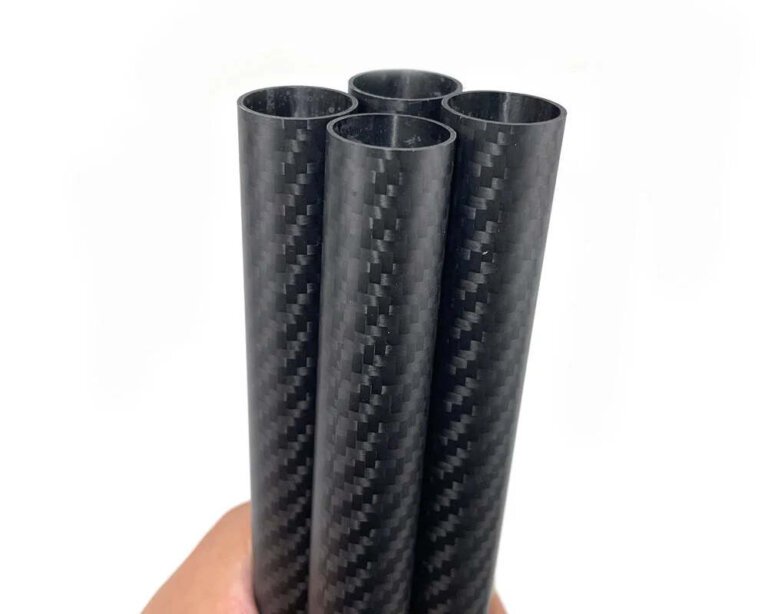
Bestilling av karbonfiberrør i flere størrelser for bygging av en UAV-seilfly
Hvordan måles rørdimensjoner?
En leverandør kan bruke kalibrerte skyvelære, mikrometre, målere eller annet egnet inspeksjonsutstyr. Metoden bør samsvare med toleransen som kontrolleres, og med rørets form.
For OD og ID, ta målinger på flere punkter langs røret. Hvis røret kan være ovalt, mål i mer enn én retning på hvert punkt. Kontroller også veggtykkelsen på flere steder, spesielt når jevnhet er viktig.
Straightness can be checked by placing the tube on a flat reference surface or using a suitable fixture and measuring the deviation along its length. Buyers should agree with the supplier on the inspection method, measurement locations, and equipment before production.
How Should Buyers Specify Tolerances?
Provide a drawing or specification that states the required dimensions, units, tolerance limits, and measurement locations. Avoid relying on descriptions such as “standard tolerance” unless the applicable standard and its requirements are clearly identified.
When requesting a quote for karbonfiberrør til UAV-er, include the tube length, OD, ID or wall thickness, end conditions, and any machining requirements. Also identify dimensions that are critical for assembly. If the tube needs drilled holes, cut ends, or bonded fittings, state whether tolerances apply before or after these operations.
If the design allows a range, specify it. Overly tight tolerances may increase inspection effort, production time, and cost, so define limits based on actual fit and performance requirements.
How Can Buyers Confirm Sample and Batch Consistency?
Before placing a larger order, review a production-representative sample against the approved drawing. Record the measured values and keep the accepted sample or inspection report as a reference.
For ongoing orders, agree on a batch inspection plan. It should state how many tubes are measured, which dimensions are checked, and what happens if a result falls outside the agreed limits. Ask for traceability linking the inspection results to the relevant production batch.
These steps are particularly useful when ordering karbonfiberrør til UAV-er in different lengths or configurations. A consistent process helps buyers identify variation early and communicate corrective actions with the supplier.
What Inspection Documents Should Suppliers Provide?
Depending on the order, buyers may request a dimensional inspection report, material or batch identification, and records for any secondary machining. The report should list the specification, measured results, inspection date, and batch reference.
Documents support verification, but they do not replace clear requirements or appropriate incoming checks. Buyers should confirm that the report covers the critical dimensions agreed for their order.
UAV Carbon Fiber Tubes
Find answers about carbon fiber tube dimensions, OD and ID measurement, production tolerances, inspection reports, and quality control for UAV applications.
01
Which dimensions should buyers check on UAV carbon fiber tubes?
Typically, OD, ID, wall thickness, length, and straightness. Prioritize the dimensions that affect assembly and function.
02
How should the inner and outer diameters be measured?
Use suitable calibrated equipment and take measurements at multiple points. Measure in more than one direction where ovality may affect fit.
03
What can cause dimensional variation between production batches?
Variation can come from differences in production setup, tooling, curing, cutting, or secondary machining. Batch inspection and traceability help detect it.
04
What tolerance information should buyers include in a quote request?
Provide a drawing with units, tolerance limits, critical dimensions, measurement locations, and any requirements for cutting or machining.
05
What should a supplier’s inspection report include?
It should identify the part and production batch, list the dimensions checked and their measured values, and reference the applicable specification.